Complete Buffet Service SOP Training for Hotels & Restaurants
Learn complete buffet service SOP with service flow, setup standards, and guest handling techniques for hotel and restaurant buffet operations.
 Jyoti Kushwaha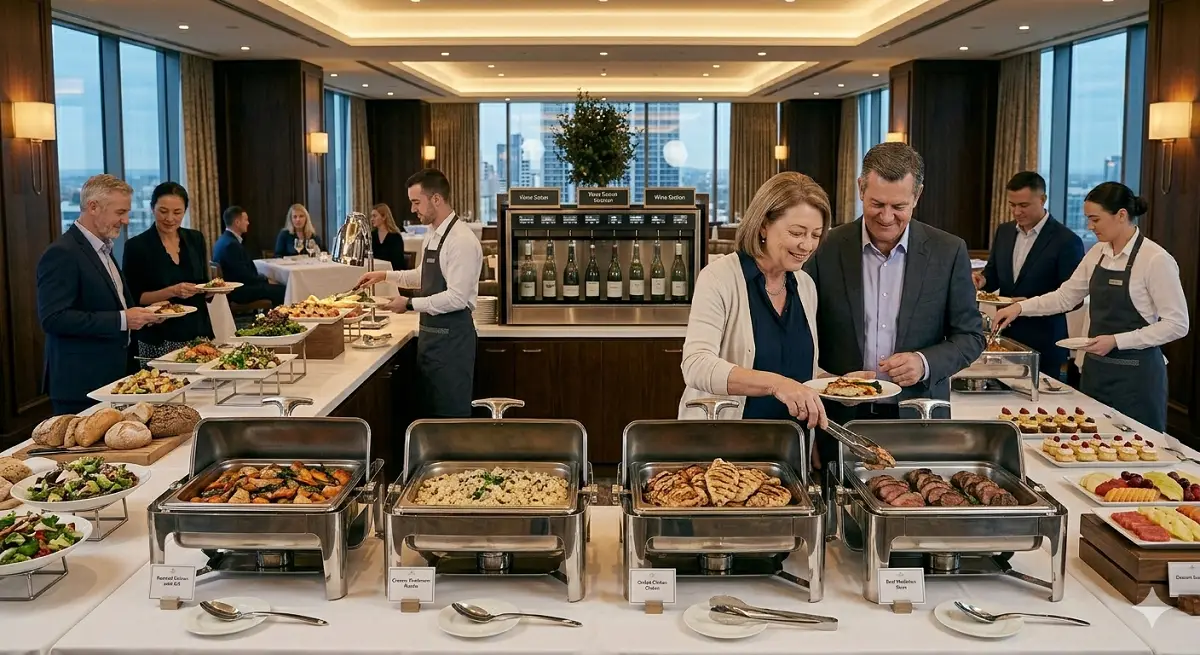
Talk in the pantry is focused on one thing buffets don’t fail in setup, they fail in control. This buffet service SOP training module is built for food and beverage staff working real floors in hotels and restaurants. It sharpens buffet setup, locks service flow, and tightens guest handling. When done right, buffet service moves volume fast without losing quality.
Overview of Buffet Service in Hospitality Operations
Buffet service SOP training is critical when you’re handling volume in tight windows. Guests serve themselves but the control stays with the team. You’ll see this style in hotels, banquets, events, and all-day dining. It works because it’s flexible, fast, and uses staff efficiently. But without control, it turns messy quickly. The win comes from planning, layout, and timing. Food must stay fresh. Counters must stay clean. Guests should never feel lost. And BOH–FOH coordination must stay tight from start to finish. This training keeps everyone aligned setup, sequence, hygiene, and guest handling.
Buffet Service SOP Training
The SOP for buffet service keeps the operation clean, controlled, and predictable. Follow it every time.
1. Pre-Service Preparation Attend briefing. Know the menu, guest count, timing, and layout. Check all buffet equipment, crockery, and tools clean and ready.
2. Buffet Setup Set counters in sequence salads, starters, mains, desserts. Label everything clearly. Place correct service utensils with each dish.
3. Food Placement and Temperature Control Hot food stays in chafing dishes with burners. Cold food stays chilled. Hold temperature throughout service no drops.
4. Guest Arrival Preparation Dining area must be spotless. Tables set. Staff in position before doors open.
5. Service Monitoring Watch the buffet constantly. Refill before items run out. Keep presentation sharp. Stay in sync with the kitchen.
6. Guest Assistance Guide guests when needed. Help with special requests. Keep movement smooth across counters.
7. Clearance and Reset Clear plates fast. Keep tables and dining area clean at all times.
8. Post-Service Closing Remove leftover food. Clean counters. Store equipment as per hygiene standards.
Pro tip: If a dish runs empty, service already failed.
Operational Service Sequence and Buffet Flow
This is your control system during live service. Stay ahead, not reactive.
- Set buffet counters before service time
- Check food quality and presentation
- Ensure all labels and displays are accurate
- Open buffet on schedule
- Monitor guest flow avoid bottlenecks
- Refill dishes before they empty
- Replace serving utensils when required
- Keep counters clean at all times
- Clear tables continuously
- Close buffet on time and begin clearance Service Timing Benchmarks: • Buffet setup: 30–60 minutes before service
- Replenishment check: every 10–15 minutes
- Table clearance: within 2–3 minutes after guest leaves
- Buffet closing: within 20–30 minutes Hit these timings and the room stays calm. Miss them and pressure builds fast.
Guest Interaction and Service Techniques
Buffet is self-service but the experience still depends on you. Guest Interaction Standards:
• Greet guests on arrival
• Explain layout when needed
• Assist elderly or special-needs guests
• Respond quickly to requests
• Stay polite and professional
Service Techniques:
• Watch guest flow avoid crowding
• Support live counters and carving stations
• Clear plates quickly
• Refill beverages if included
• Keep the area clean at all times
Do’s:
• Stay active on the floor
• Keep counters neat and full
• Ensure food is always available
Don’ts:
• Never let dishes go empty
• Don’t ignore guests •
Don’t compromise hygiene
Pro tip: Guests forgive queues. They don’t forgive empty trays.
Tools and Equipment for Buffet Service
Buffet runs on equipment. Handle it right or service slows down.
Primary Equipment:
• Buffet counters and display tables
• Chafing dishes with burners
• Serving spoons, ladles, tongs
• Plate warmers and cold storage Support Equipment:
• Food labels and menu cards
• Tray stands and service trays
• Waste bins and clearance trolleys
• Beverage dispensers Handling Guidelines:
• Maintain correct food temperature
• Replace utensils regularly
• Keep everything clean and sanitized
• Don’t overcrowd the buffet Clean setup = smooth service.
Service Standards and Performance Metrics
Numbers keep buffet under control. No guesswork.
Key Performance Metrics:
• Food availability: 100% during service
• Hygiene compliance: 100%
• Replenishment time: within 10 minutes
• Guest satisfaction: above 90%
• Table clearance efficiency: above 90%
These are not targets. They’re daily expectations.
Evaluation and Continuous Improvement
Strong teams review every service. And fix issues before the next one.
Evaluation Methods:
• Supervisor monitoring on the floor
• Guest feedback analysis
• Hygiene audits and checks
• Staff performance reviews
• Training and refreshers
Common issues? Food waste, slow refills, crowd buildup. Fix them with planning, portion control, and active supervision. Buffet service works because it handles volume. But only when the team stays sharp, proactive, and in control.
Read more about Guest Handling Training here