Restaurant Upselling Training for Effective Suggestive Selling
Learn restaurant upselling training with SOP, suggestive selling techniques, service sequence, and guest interaction strategies for restaurant operations.
 Jyoti Kushwaha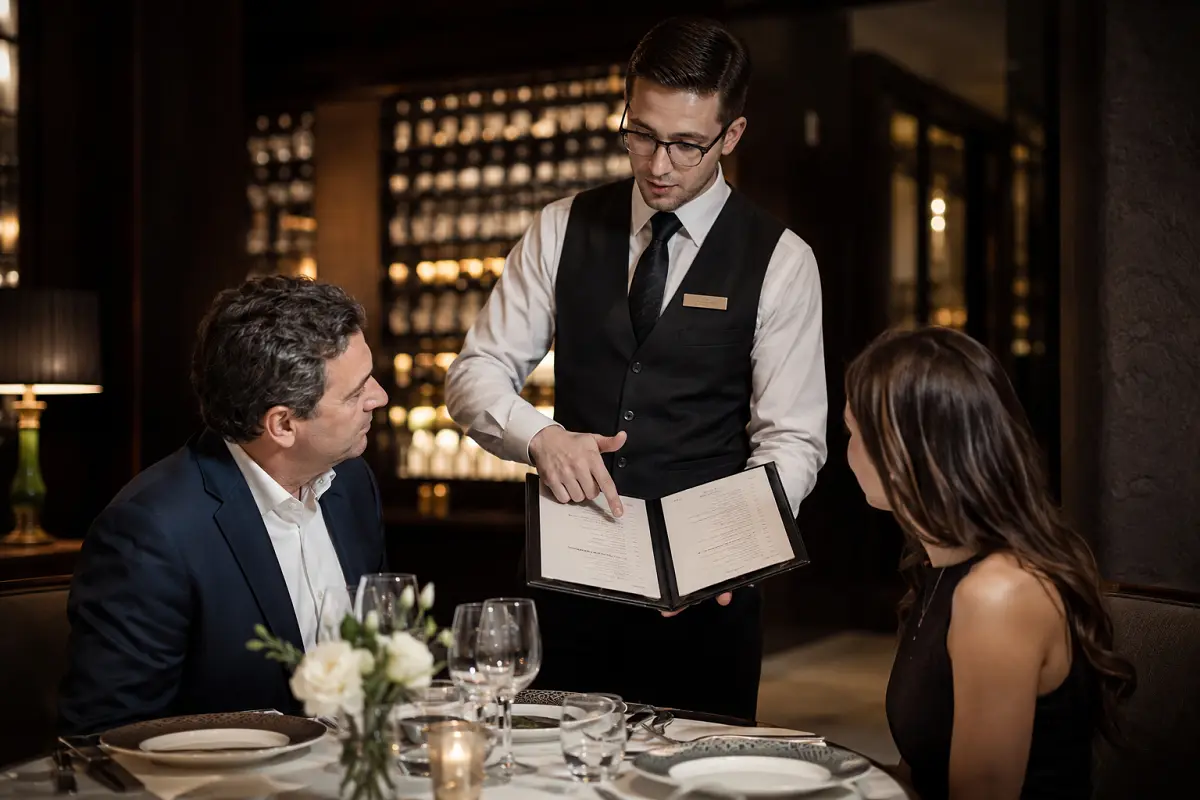
Talk in the pantry is focused on one thing servers are either reading the table right… or missing easy money. The difference? Timing and confidence.
Restaurant upselling training is about smart suggestions, not pushing plates. Done right, it lifts the bill without killing the table’s vibe.
Every shift has missed chances no drink upsell, no side add-on, no dessert close. And that’s revenue walking out the door.
This is about control. Know your menu, read your guest, and step in at the right moment.
Do it clean, and the guest thanks you for it.
Overview of Restaurant Upselling Training
Upselling isn’t selling harder. It’s serving smarter.
You guide the guest. You don’t push them.
Every touchpoint is an opening drinks, starters, mains, desserts. Miss the moment, and it’s gone.
And here’s the reality guests expect guidance. If you stay silent, you’re not being polite… you’re being passive.
This training builds that instinct when to speak, what to suggest, and when to step back.
SOP Procedure for Suggestive Selling
This is your playbook. Follow it every service.
1. Menu Knowledge Preparation
Know every dish. Ingredients, prep style, and what makes it sell. And know your high-margin items cold.
2. Guest Observation
Read the table. Business lunch? Quick and efficient. Family dinner? More room to guide.
3. Initial Suggestion
Start strong drinks, starters, specials. Set the tone early.
4. Mid-Service Upselling
While confirming mains, suggest sides, sauces, or upgrades. Keep it natural.
5. Dessert and Beverage Promotion
Before clearing plates, plant the dessert idea. Don’t wait till they’re done.
6. Confirmation and Accuracy
Repeat everything clearly before punching into POS. No mistakes on added items.
7. Coordination with Kitchen
Flag upgrades and add-ons properly. Kitchen timing must stay tight.
8. Monitoring Guest Response
Watch reactions. If they’re not biting, step back. Don’t overwork the table.
Pro tip: One good suggestion lands better than five forced ones.
Operational Steps and Service Sequence
This is where upselling lives inside your service flow, not outside it.
Step-by-Step Service Sequence:
• Greet guest and drop menu within 1 minute
• Offer a welcome drink or signature beverage
• Call out chef specials and promos early
• Take order and suggest complements naturally
• Recommend upgrades premium cuts, combos
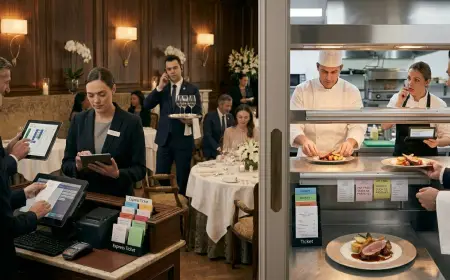
• Confirm and send clean order into POS
• Track table flow and guest comfort
• Suggest dessert before clearing mains
• Offer coffee or digestives after dessert
• Close with a clean, confident bill drop
Service Timing Benchmarks:
• Beverage push: within 2 minutes
• Order with suggestions: within 5 minutes
• Mid-meal add-ons: during confirmation
• Dessert push: before plate clearance
• Final beverage: before billing
Operational Controls:
• Don’t slow down service just to upsell
• Keep the balance speed vs conversation
• Every add-on must be accurate in POS
• Watch table turnover during rush
Upselling should feel smooth. If it feels forced, you’re doing it wrong.
Guest Interaction and Selling Techniques
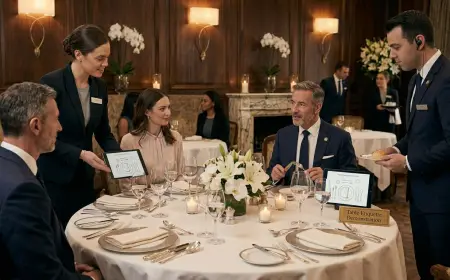
This is where deals are made right at the table.
Professional Interaction Standards:
• Speak clearly and with confidence
• Hold eye contact don’t stare at the pad
• No pushing, no repeating yourself
• Adjust tone based on the guest
Suggestive Selling Techniques:
• Descriptive Selling: Paint the dish make it sound worth ordering
• Pairing Suggestions: “This goes well with…” works every time
• Upgrade Selling: Offer better cuts, bigger portions
• Limited-Time Offers: Push what won’t be there tomorrow
• Combo Selling: Make decisions easier for the guest
Psychological Techniques:
• Give 2–3 options, not endless choices
• Use positive phrasing keep it inviting
• Mention popular picks people follow crowds
• Don’t overload the table with info
Handling Guest Response:
• If they say no, move on. Clean and professional
• Adjust based on their signals
• Focus on experience, not just numbers
Pro tip: Confidence sells more than the menu ever will.
Tools and Equipment for Upselling Operations
Your tools should support you not slow you down.
Primary Tools:
- POS system for fast, clean order entry
- Menus that highlight key items
- Sales reports to track what’s working
- Menu engineering data to guide focus
Support Equipment:
• Table tents and promo displays
• Quick cue cards for staff reminders
• Kitchen display systems for coordination
• Communication tools between team members
Usage Guidelines:
• Keep menu highlights updated
• Ensure POS matches all offers
• Push items that drive margin
• Stay consistent across the team
Don’t guess what sells. Let the data tell you.
Service Standards and Performance Metrics
If you’re not measuring it, you’re not improving it.
Key Performance Metrics:
• Average spend per guest: going up
• Upsell conversion: improving shift by shift
• Order accuracy: 100% clean
• Service timing: no delays
• Guest satisfaction: steady or better
• High-margin sales: consistent growth
Numbers don’t lie. Track them daily.
Evaluation and Continuous Improvement
Good teams review. Great teams adjust fast.
Evaluation Methods:
• Daily sales breakdown and item tracking
• Individual upselling performance checks
• Guest feedback on interaction quality
• Floor observation during live service
• POS reports for revenue patterns
Main issues? Lack of confidence, weak menu knowledge, bad timing.
Fix it with practice. Role-play it. Drill it.
End of the day upselling is a skill. Train it right, and your team stops “taking orders”… and starts driving the table.
Read more about Food allrgens awareness training.