Fundamentals of Restaurant Service Training for Hotel Operations
Learn fundamentals of restaurant service training with SOP, service sequence, order taking, guest interaction, and operational standards for hotel and restaurant staff.
 Jyoti Kushwaha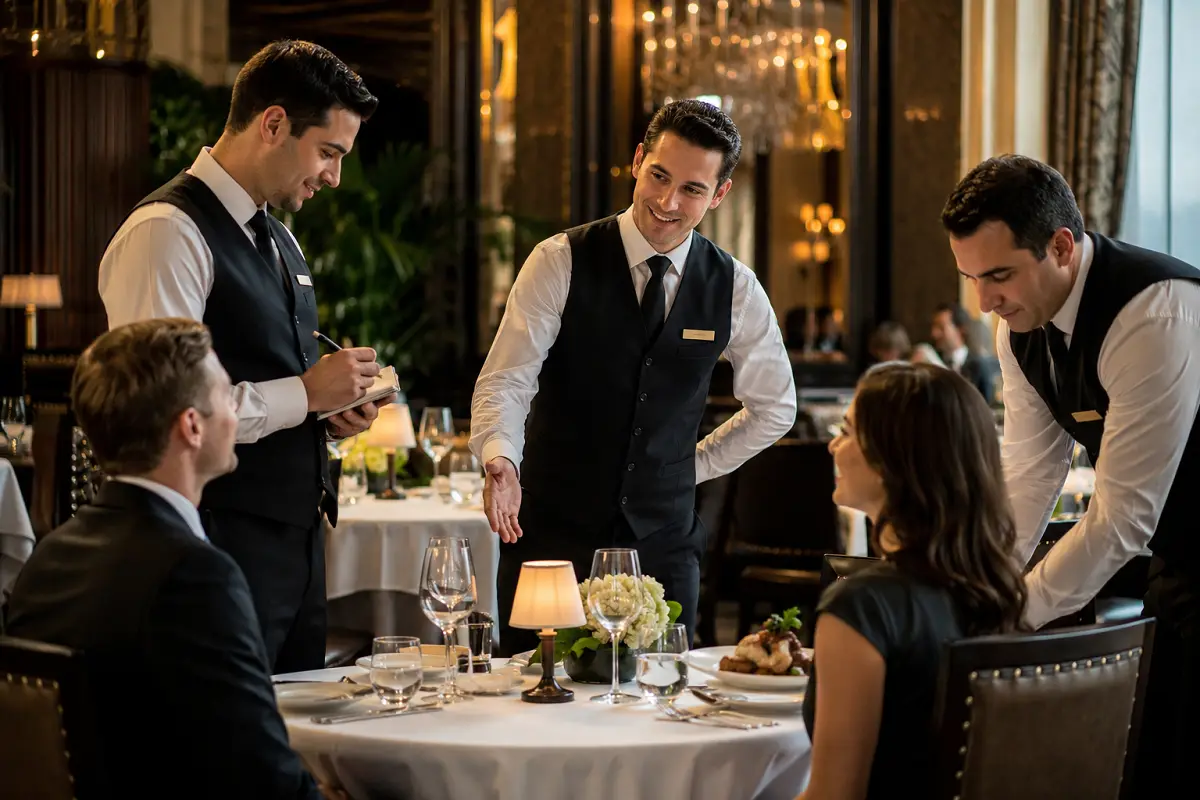
The latest feedback from the floor is simple most service issues aren’t complex, they’re basic mistakes done under pressure. Miss the fundamentals, and the whole shift feels messy.
Overview of Restaurant Service Fundamentals
This is where every good server is built. Not in upselling. Not in fancy talk. In getting the basics right every single table.
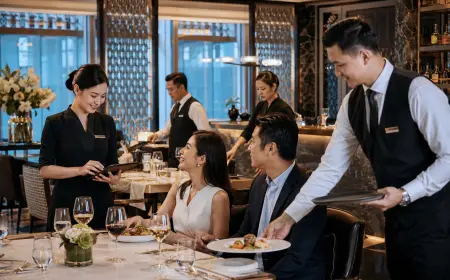
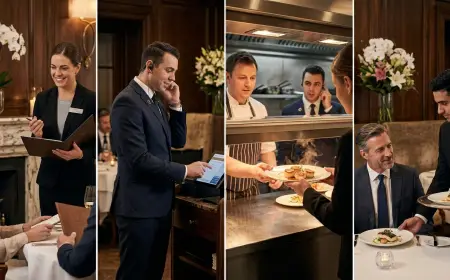
Service runs in a sequence. Arrival, seating, order, fire-order, service, billing. Break that flow, and you create service friction instantly.
And guests feel it fast. Late greeting. Wrong order. Slow pickup. The table’s vibe drops.
Strong fundamentals keep the floor tight. Everyone moves the same way. No confusion. No guesswork.
Pro-tip: Fancy service means nothing if your basics are sloppy.
SOP Procedure for Restaurant Service
This is your non-negotiable flow. Follow it every time.
1. Pre-Service Preparation
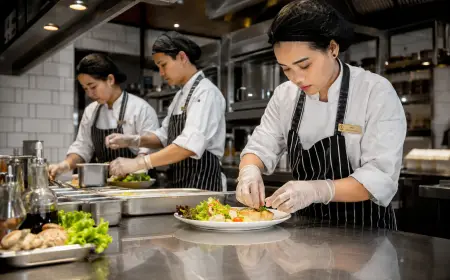
Check tables, cutlery, glassware. Station stocked. No running mid-service.
2. Guest Greeting
Acknowledge within 30 seconds. Eye contact. Clear voice. No delay.
3. Seating and Menu Presentation
Walk them in with control. Menus from the right. No tossing, no rushing.
4. Order Taking
3–5 minutes. Listen fully. Lock the details. Don’t guess.
5. Order Entry
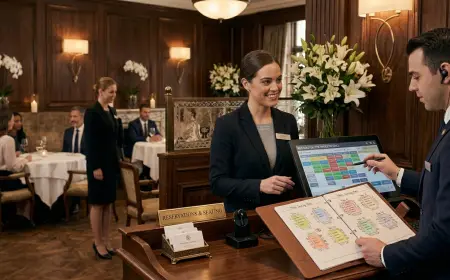
Straight into POS. No memory games.
6. Food and Beverage Service
Follow sequence. Clean service. No confusion on the table.
7. Table Maintenance
Watch the table. Refill before they ask. Clear without interrupting.
8. Billing and Departure
Bill clean. No errors. Close strong with a proper thank you.
Pro-tip: If you’re rushing at the end, you lost control earlier.
Operational Steps and Service Sequence
This is your live-service roadmap. Stick to it.
Step-by-Step Service Sequence:
• Set your station and know your section
• Greet within 30 seconds no exceptions
• Seat with awareness don’t just drop guests
• Present menu and call out specials clearly
• Take beverages first, then food
• Enter orders immediately no delay
• Serve drinks in 3–5 minutes
• Food hits the table in 15–20 minutes
• Check back within 2 minutes of service
• Clear fast once guests finish
• Push dessert or add-ons naturally
• Bill within 3 minutes when asked
• Close with eye contact and acknowledgment
Service Timing Benchmarks:
• Greeting: under 30 seconds
• Order taking: 3–5 minutes
• Beverage service: 3–5 minutes
• Food delivery: 15–20 minutes
• Clearing: within 2 minutes
• Billing: within 3 minutes
Operational Controls:
• Don’t break sequence it creates chaos
• No delay in POS entry kitchen timing depends on it
• Stay tight with the kitchen watch the pass
• Read the table don’t wait for complaints
Pro-tip: The best servers look calm because they’re always one step ahead.
Guest Interaction and Service Techniques
This is where service either connects—or falls flat.
Professional Interaction Standards:
• Hold eye contact don’t scan the room
• Speak clean and simple
• Listen fully don’t interrupt
• Repeat orders lock accuracy
Service Techniques:
• Serve from the left, clear from the right
• Use trays, don’t overload your hands
• Never reach across a guest
• Stand straight, look in control
Order Taking Techniques:
• Write it clean, no shortcuts
• Repeat back every order
• Mark allergies and special requests clearly
• Communicate tight with kitchen
Handling Guest Requests:
• Respond fast, don’t make them wait
• Know your menu, no guessing
• Fix small issues on the spot
Common Mistakes to Avoid:
• Late greeting
• Wrong POS entry
• Ignoring table signals
• Poor team communication
Pro-tip: Most complaints start because someone didn’t pay attention early.
Tools and Equipment for Restaurant Service
Your tools should support you not slow you down.
Primary Tools:
- POS system, fast and accurate use
- Order pads or handhelds
- Clean tableware setup
- Trays and trolleys for movement
Support Equipment:
• Beverage tools, ready, not missing
• Clearing and cleaning tools
• Table numbering system, no confusion
• KDS for kitchen coordination
Usage Guidelines:
• Everything clean and ready before service
• Use the right tool, don’t improvise mid-shift
• Keep hygiene tight at all times
• Report missing or broken items immediately
Pro-tip: If you’re searching for tools during service, you’re already behind.
Service Standards and Performance Metrics
This is how strong teams measure themselves.
Key Performance Metrics:
• Timing: always within SOP
• Order accuracy: zero mistakes
• Guest feedback: consistently positive
• Table turnover: smooth, not rushed
• Team coordination: no gaps
• Hygiene: always on point
If one slips, service feels it immediately.
Evaluation and Continuous Improvement
Good service is trained. Great service is reviewed daily.
Evaluation Methods:
• Supervisor watches live service not reports
• Guest feedback real signals from the floor
• Timing checks where delays happen
• Staff reviews who’s slipping
• SOP audits are standards followed
Common issues? Broken sequence, slow response, weak coordination.
Fix it with repetition. Tight supervision. And calling out mistakes early.
At the end of the shift, guests don’t care about your system. They remember how smooth or messy the experience felt.
Read more about body language training.