Guest Handling Training Hospitality Staff: SOP & Service Techniques in 2026
Learn guest handling training hospitality staff with SOP, service techniques, complaint handling, and professional standards.
 Jyoti Kushwaha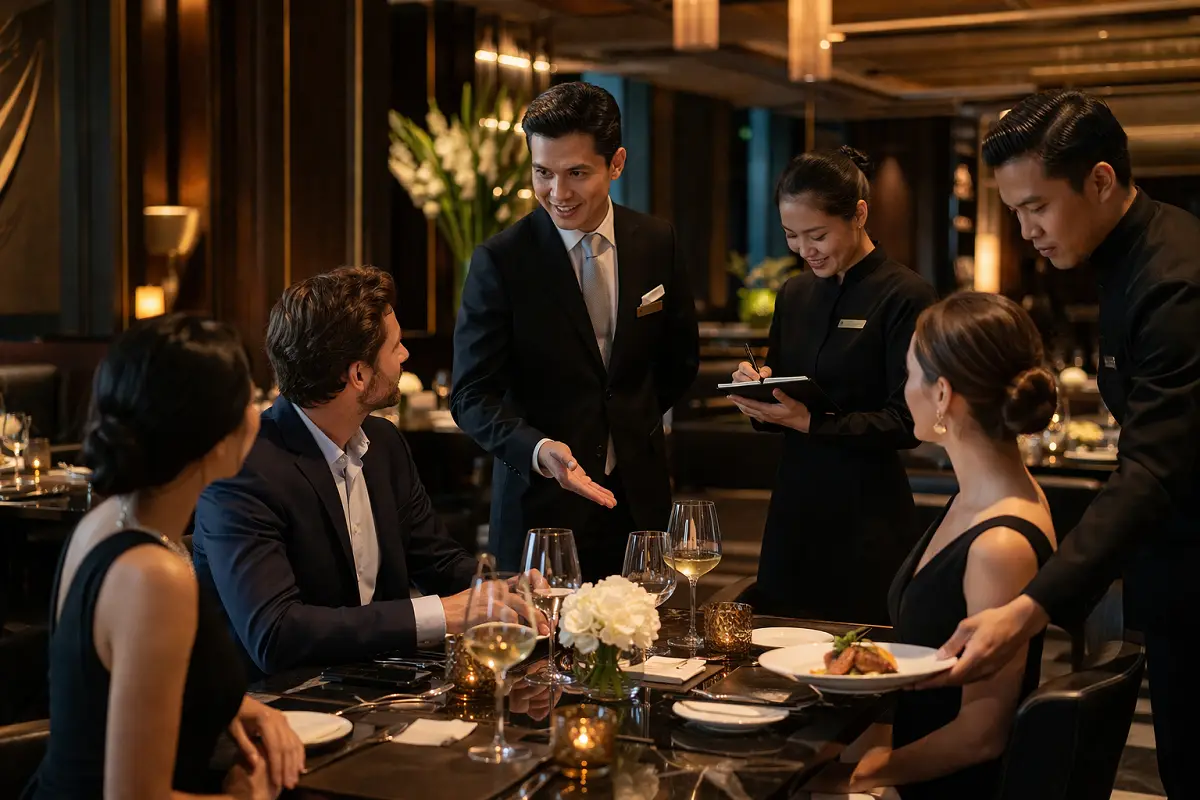
Experienced captains are flagging one thing, guests don’t complain about food first, they complain about how they were handled. That’s where service breaks or wins. This guest handling training hospitality staff module is built for food and beverage staff in restaurants and hotels to sharpen service technique, improve guest interaction, and keep delivery consistent even under pressure. Strong guest handling drives satisfaction, keeps service smooth, and protects the brand during busy shifts.
Overview of Guest Handling in Hospitality Operations
Guest handling training hospitality is about controlling every interaction from the moment the guest walks in to the moment they leave.
In restaurants and hotels, staff are the face of the operation. How you speak, move, and respond shapes the entire table’s vibe.
Every step greeting, order taking, service, billing follows a structure. No guessing. A trained server reads the guest, moves fast, and holds standards even during rush hours.
Guest handling goes beyond serving food. It means reading needs, managing special requests, handling issues, and keeping the experience smooth from start to finish. Done right, it builds trust and repeat business.
FOH and BOH must stay in sync. FOH handles the guest. BOH handles the fire-order. Clear calls between both sides keep service tight and avoid service friction.
SOP Procedure for Guest Handling Training Hospitality Staff
This restaurant guest service sop keeps service structured, reduces mistakes, and keeps the floor moving clean.
1. Pre-Service Preparation
Attend briefing. Know reservations, VIPs, menu changes, and your section. Tables set before doors open. No scrambling later.
2. Guest Arrival and Greeting
Greet within 30 seconds. Eye contact. Clear welcome. Escort to table—don’t point.
3. Seating and Menu Presentation
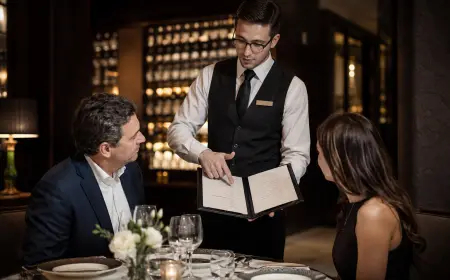
Seat comfortably. Present menu. Serve water immediately. Note preferences early.
4. Order Taking Procedure
Take orders within 5 minutes. Know your menu. Guide the guest. Handle dietary needs without hesitation.
5. Order Processing
Punch orders correctly in POS. Call it clean to the kitchen. No confusion.
6. Service Delivery
Serve fast. Maintain presentation and temperature. No dead plates on the pass.
7. Guest Monitoring
Check in without hovering. Read the table. Step in only when needed.
8. Billing and Farewell
Bill must be accurate and quick. Thank the guest. Invite them back with intent.
Operational Guest Handling Steps During Service
Service flow must stay tight. Delays kill momentum.
Step-by-Step Service Flow:
1. Greet guest within 30 seconds
2. Seat guest and present menu
3. Serve water within 1 minute
4. Take order within 5 minutes
5. Enter order into POS immediately
6. Coordinate with kitchen for preparation
7. Serve food within 10–20 minutes
8. Check satisfaction after first few bites
9. Clear table after completion
10. Present bill within 3 minutes of request
Service Timing Benchmarks:
A. Greeting time: 30 seconds
B. Order taking: within 5 minutes
C. Food delivery: 10–20 minutes
D. Beverage service: within 3 minutes
E. Complaint resolution: within 5 minutes
Hit these timings and you control the pace of service—even during peak hours.
Guest Interaction and Communication Techniques
This is where service interaction training f&b shows on the floor.
Stay attentive. But don’t hover.
Communication Standards:
1. Use clear, polite language
2. Maintain eye contact and a natural smile
3. Listen fully don’t interrupt
4. Repeat orders to avoid mistakes
5. Use guest names where appropriate
Body Language Guidelines:
A. Stand upright no slouching
B. Don’t cross arms or look distracted
C. Keep hands clean and visible
D. Avoid unnecessary movement
Handling Special Requests:
1. Acknowledge clearly
2. Check with kitchen before committing
3. Give honest timelines
4. Deliver exactly as promised
Clear communication removes confusion and builds guest confidence fast.
Complaint Handling and Service Recovery
This is where complaint handling techniques hotel matter most.
Handle it right and you save the table. Handle it poorly and you lose the guest.
Complaint Handling SOP:
1. Listen fully no interruptions
2. Acknowledge the issue
3. Apologize properly
4. Act immediately
5. Call supervisor if needed
6. Follow up before closing the table
Common Service Issues:
A. Delay in food service
B. Incorrect order
C. Food quality concerns
D. Staff behavior issues
Service Recovery Techniques:
1. Fix or replace fast
2. Offer alternatives when needed
3. Add small gestures if approved
4. Stay calm always
Fast recovery can flip a bad experience into a loyal guest.
Tools and Equipment Supporting Guest Handling
Tools don’t replace skill but they reduce mistakes and speed things up.
Operational Tools:
1. POS systems for order control
2. Tablets for digital ordering
3. Reservation systems for table flow
4. Kitchen Display Systems (KDS)
5. Staff communication devices
Service Equipment:
A. Order pads and pens (manual backup)
B. Trays and trolleys
C. Table setup equipment
D. Billing machines
Use them right, and coordination improves across the board.
Service Standards and Performance Metrics
This is how guest experience standards are tracked on the floor.
Key Performance Metrics:
1. Order accuracy: 98–100%
2. Service timing adherence: above 90%
3. Guest satisfaction score: above 90%
4. Complaint resolution time: within 5 minutes
5. Table turnover efficiency: as per outlet standards
No measurement means no control. Simple.
Evaluation and Continuous Improvement
Strong teams don’t guess they review and fix daily.
Evaluation Methods:
1. Daily briefings and debriefings
2. Supervisor observation on the floor
3. Guest feedback and reviews
4. Mystery audits
5. Staff performance checks
Common issues? Peak-hour pressure. Communication gaps. Inconsistent service.
Fix them with training, tight SOP follow-up, and strong supervision.
Guests expect faster, more personal service now. Tech helps. But service still comes down to how well you handle people in real time.
Get that right and the floor runs smooth.