Air France Probes First-Class Incident After Racism Accusation
Air France investigates a first-class cabin confrontation and alleged racial profiling during a flight, raising questions about onboard conduct and crew response.
 Jishan Khan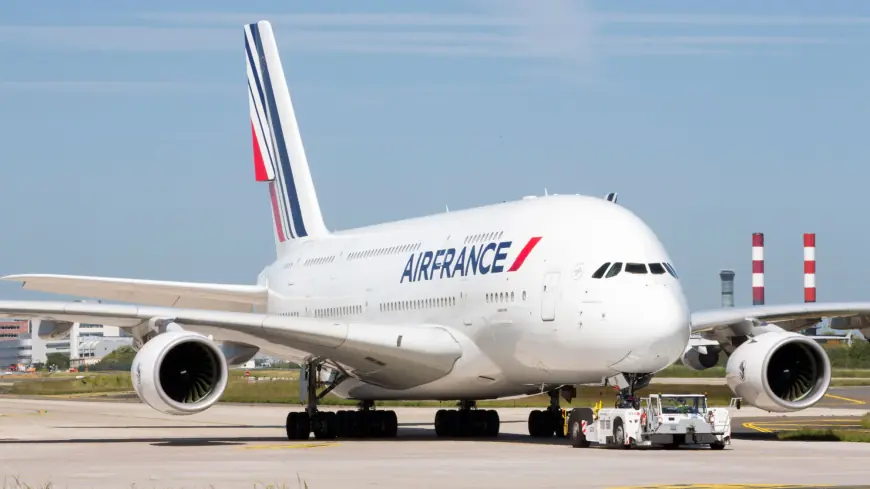

Air France is investigating reports of a confrontation aboard one of its flights after a passenger in the first-class cabin accused crew of racial bias in the handling of a seating dispute, prompting broader industry scrutiny of cabin conduct policies and operational training.
The incident unfolded in the premium cabin of a long-haul service when a passenger declined to move to their assigned seat after the aircraft had pushed back, according to accounts shared on social media and witness commentary. The situation escalated to involve multiple cabin crew, who insisted the passenger comply with their ticketed assignment — a standard operational requirement linked to weight-and-balance planning and fare class entitlements.
What distinguishes this occurrence from routine first-class seating disputes is the allegation of racist behaviour. The passenger claimed that the crew singled them out and applied pressure in a discriminatory manner, an accusation that has drawn public attention and commentary. Air France confirmed that it is reviewing the matter internally to determine exactly what transpired, including actions by both the passenger and crew members.
Airlines have clear protocols governing seat assignments, particularly in premium cabins, where fare class, loyalty status and aircraft load factors influence where passengers are placed. Crew members enforce these assignments to comply with safety standards and regulatory mandates, including ensuring aircraft centre-of-gravity limits are respected and that all passengers are seated in positions consistent with their tickets. Disputes arise in rare situations when passengers expect upgrades or seat shifts without proper authorisation.
In response to the allegation, Air France emphasised that its crew follow established procedures for managing cabin discrepancies and that any claim of discriminatory conduct is taken seriously. Internal reviews are expected to involve interviews with frontline staff, examination of onboard communications and a review of flight data, including security recordings if available.
Conversations around racial bias and conduct in aviation have intensified in recent years, paralleling broader societal debates. Airlines and regulators have reiterated that anti-discrimination policies form part of their training frameworks, requiring cabin and flight crews to manage interactions neutrally and professionally. Any substantiated breach can have ramifications for staff disciplinary action and potential regulatory oversight.
Operationally, cabin crew balance customer service priorities with mandated responsibilities for safety and compliance. When passengers resist corrective instructions, crews are trained to escalate through clear communication hierarchies, including involvement of senior crew or the flight deck as necessary. The threshold for diverting a flight or involving law enforcement remains high, with safety and regulatory integrity at the core of decisions.
Legal experts note that public disputes of this nature can have reputational implications for carriers. They emphasise the importance of clear communications, documentation of events and impartial investigation. Regulators such as the Direction Générale de l’Aviation Civile (DGAC) in France and counterparts abroad monitor airline responses to allegations that intersect with safety, discrimination or passenger rights provisions.
Social media amplification has made cabin disputes more visible, with passengers often posting video, audio or commentary that frames the narrative eagerly. Industry observers caution that such material does not always capture full context, and formal investigations remain the primary mechanism for fact-finding. Air France’s handling of the case — including transparency with passenger rights groups and staff reviews — will be observed by both regulators and customers.
For passengers, the incident highlights the intersection of service expectations and defined airline policies. Premium cabins carry higher fare classes and associated entitlements, but they remain governed by the same safety, weight-distribution and operational imperatives as all other cabin zones. Crew engagement is structured around those imperatives first and foremost.
Airlines increasingly train cabin teams in de-escalation techniques, cultural awareness and inclusive service practices to reduce the risk of conflict and avoid perceptions of bias. How Air France integrates any lessons from this latest occurrence into crew training and customer engagement protocols may influence broader carrier approaches in a competitive post-pandemic environment where passenger experience and safety culture are both critical to airline brand equity.