Air France Joins Leading Carriers Driving Global Tourism Growth
Air France is cited alongside Emirates, Qatar Airways, Lufthansa and others as key aviation players underpinning post-pandemic tourism growth and expanded connectivity.
 Jishan Khan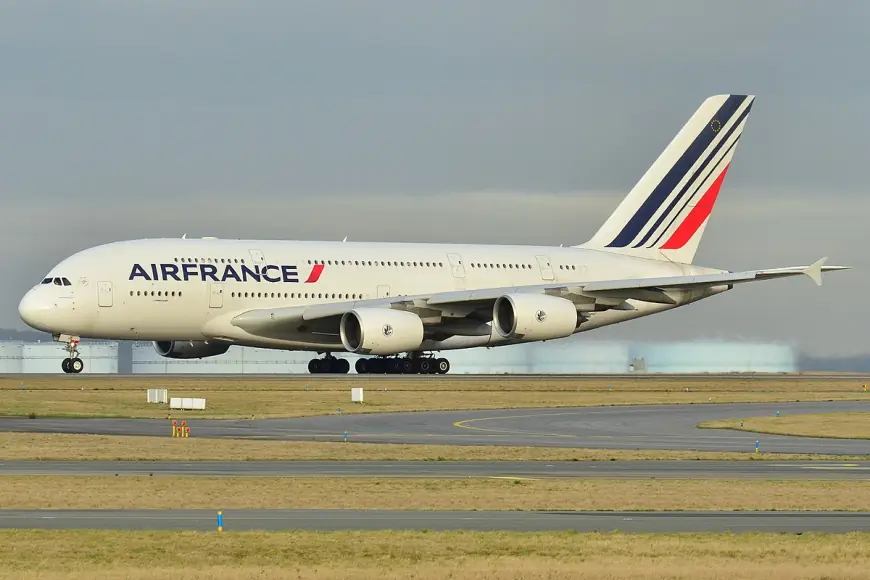

Air France has been identified among a cohort of major global carriers including Emirates, Qatar Airways, Lufthansa, Delta Air Lines and Singapore Airlines as key contributors to a broad resurgence in international tourism, underlining the critical role of airline connectivity in the recovery of travel markets after the pandemic downturn.
Industry analysts have pointed to robust aviation demand and strategic network expansion by flag carriers and leading international airlines as central to rekindling tourism flows across continents. Air France’s extensive network from hubs such as Paris Charles de Gaulle, coupled with seat capacity growth and route reinstatements, positions it as a significant driver of inbound and outbound leisure and business travel.
Emirates and Qatar Airways, with their expansive long-haul networks linking Asia, Europe, Africa and the Americas, have ramped up services to capitalise on rising demand for point-to-point and connecting travel, particularly on routes with strong tourism and diaspora traffic. Similarly, Lufthansa and Singapore Airlines have leveraged their hub positions and diversified route portfolios to support multi-destination travel and seamless transfer traffic.
For Air France, network utilisation to European, African and intercontinental markets forms a backbone of both tourism and corporate segments. The airline has adjusted frequencies and aircraft deployments in response to seasonal travel patterns, regulatory changes in visa and health protocols, and evolving passenger preferences for direct connectivity.
The importance of airlines in the tourism ecosystem extends beyond flight operations. Connectivity influences hotel occupancy, regional airport throughput, ground transport demand and ancillary services such as tours and hospitality. Destination marketing organisations and national tourism boards increasingly coordinate with airline partners on capacity planning and promotional initiatives, recognising that air lift is a prerequisite for international visitor growth.
Delta Air Lines’ contribution to tourism expansion reflects growing transatlantic leisure travel and strategic partnerships with European and Latin American carriers. Deployment of fuel-efficient widebodies such as the Airbus A330neo and Boeing 787 Dreamliner on long-haul sectors has enabled carriers to open or re-expand routes that were previously dormant or seasonal.
Asia-Pacific carriers such as Singapore Airlines have similarly capitalised on easing travel restrictions and pent-up demand, reinstating services to key tourism gateways. Their liberal connectivity enhances the flow of international visitors, particularly from high-yield markets in East Asia and Australia.
Analysis of post-pandemic aviation traffic patterns shows that airlines with diversified global networks and robust alliance or codeshare frameworks tend to facilitate more resilient tourism traffic. This is partly attributable to their ability to link secondary city pairs and offer coordinated schedules that align with multi-destination itineraries favoured by leisure travellers.
Global tourism data further indicate that price competition, aircraft seat capacity growth and the return of premium leisure markets have all contributed to upward momentum in international arrivals and departures. These trends, in concert with targeted airline capacity strategies, support tourism receipts and economic multipliers in gateway cities and popular leisure destinations.
For aviation strategists and tourism planners, the linkage between airline network strategy and destination performance remains central. Continued investments in route development, customer experience enhancements, and dynamic pricing models are expected to sustain growth trajectories as global mobility rebounds.
The inclusion of Air France among cited carriers reflects not only its operational scale but also its integration with alliance partners and joint ventures that amplify international connectivity. As global tourism expands, carriers that can offer efficient, flexible and frequent services will likely play outsized roles in shaping travel flows and economic impacts across regions.