Air India to Order 30 Boeing MAX Jets as Travel Demand Surges
Air India plans to order 30 Boeing MAX aircraft as rising travel demand drives fleet expansion and long-term growth under Tata Group ownership.
 Jishan Khan

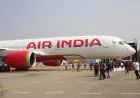
Air India is set to place a fresh order for 30 Boeing 737 MAX aircraft as surging travel demand accelerates the airline’s fleet expansion strategy under Tata Group ownership. The move reflects renewed confidence in India’s aviation recovery and underscores Air India’s ambition to strengthen its domestic and short‑haul international operations with modern, fuel‑efficient aircraft.
According to industry sources, the planned Boeing MAX order aligns with Air India’s broader transformation programme following its return to Tata Group control. Passenger traffic across India has rebounded strongly, driven by rising disposable incomes, expanded regional connectivity, and sustained demand for both leisure and business travel. Airlines across the country have responded by adding capacity, restoring routes, and committing to long‑term fleet investments.
The Boeing 737 MAX family plays a critical role in Air India’s narrowbody fleet strategy. These aircraft are designed to deliver improved fuel efficiency, lower operating costs, and enhanced range compared to previous‑generation jets. For Air India, the MAX jets are expected to support high‑frequency domestic services as well as short‑haul international routes across South Asia, the Middle East, and Southeast Asia, where demand continues to rise.
This latest order would build on Air India’s historic aircraft acquisition programme announced earlier under the Tata Group, which included a mix of widebody and narrowbody aircraft from both Boeing and Airbus. That landmark deal signalled a decisive shift in the airline’s long‑term planning, aimed at modernising its fleet, improving reliability, and enhancing passenger experience. The addition of more Boeing MAX aircraft further reinforces the airline’s focus on operational efficiency and network flexibility.
India has emerged as one of the fastest‑growing aviation markets globally, with domestic traffic consistently exceeding pre‑pandemic levels. The government’s emphasis on infrastructure development, airport expansion, and regional air connectivity has created favourable conditions for airlines to scale operations. Air India, as the country’s flag carrier, is positioning itself to capture a larger share of this growth while rebuilding its brand presence in a competitive market.
From Boeing’s perspective, the potential Air India order represents another significant boost in one of its most important growth markets. India is projected to require thousands of new aircraft over the next two decades to meet rising demand, making it a strategic priority for global aircraft manufacturers. The Boeing 737 MAX programme, despite past challenges, has seen renewed momentum as airlines worldwide return the aircraft to service and place new orders.
A modernised narrowbody fleet is also central to Air India’s cost optimisation efforts. Fuel efficiency, commonality across aircraft types, and lower maintenance requirements are critical factors as airlines navigate fluctuating fuel prices and intense competition. The MAX aircraft’s advanced engines and aerodynamic improvements are expected to contribute to improved margins while supporting network expansion.
While final delivery timelines and variant selections have not been publicly disclosed, the proposed order highlights Air India’s confidence in sustained passenger demand and long‑term market growth. Industry analysts note that fleet investments of this scale signal a strategic shift from short‑term recovery to long‑term capacity planning, positioning Air India to compete more effectively with both domestic rivals and international carriers.
As India’s aviation sector continues its upward trajectory, Air India’s decision to expand its Boeing MAX fleet underscores a broader industry trend toward modern, efficient aircraft that can support growth while meeting environmental and operational objectives. The order marks another step in the airline’s ongoing transformation as it seeks to re‑establish itself as a major force in global aviation.