Airbus A380 Set for 2026 Comeback With Multiple New Routes
Airlines including Etihad, Qatar Airways, Singapore Airlines and Qantas plan new Airbus A380 services in 2026, underscoring a targeted comeback of the superjumbo.
 Jishan Khan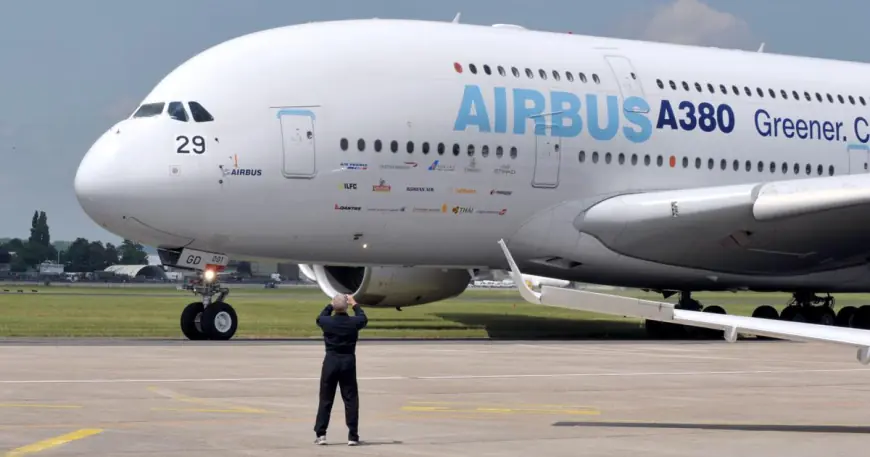

A series of new Airbus A380 services scheduled for 2026 indicate a measured comeback for the superjumbo, as several major airlines reintroduce or expand double‑deck operations on select high‑demand international routes.
Etihad Airways plans to operate its A380 between Abu Dhabi and Tokyo Narita from June 2026, restoring the aircraft on a major Asia‑Pacific connection. The decision comes as Etihad reactivates stored A380 frames and responds to strong passenger demand for premium capacity between the United Arab Emirates and Japan.
Qatar Airways will deploy the A380 on its Doha to Singapore route beginning January 2026, leveraging the aircraft’s premier cabins to differentiate its service offering on one of Southeast Asia’s most competitive long‑haul markets. On the same corridor, Singapore Airlines is reinstating A380 flights to Shanghai for an extended summer season in response to robust traffic growth between China and Southeast Asia.
Meanwhile, Qantas intends to leverage its restored A380 fleet on the Sydney to Dallas non‑stop route, a flagship ultra‑long‑haul service that benefits from the superjumbo’s high capacity and strong premium revenue performance. This deployment underscores Qantas’ strategic use of the A380 on lengthy, slot‑constrained corridors where additional frequency is difficult to secure.
The resurgence of A380 services comes amid wider network optimisation strategies across the global airline industry. While newer twin‑engine widebodies such as the Airbus A350 and Boeing 787 dominate much of the fleet renewal and long‑haul expansion agenda, the A380 retains a unique economic proposition on routes characterised by high demand, limited airport capacity and strong premium traffic. Deploying the superjumbo allows airlines to increase seat availability without adding flights, a crucial advantage at congested hubs during peak seasons.
Premium revenue remains a core driver of the A380’s continuing relevance. The aircraft’s spacious cabins and flagship first‑class suites provide airlines with significant yield potential on routes where corporate and high‑end leisure demand is stable or growing. On routes such as Doha–Singapore and Sydney–Dallas, where competitive differentiation in premium cabins materially influences yield performance, the superjumbo gives carriers an edge over rivals operating smaller widebodies.
Operationally, reintroducing or expanding A380 services aligns with network strategies that prioritise slot efficiency and maximised aircraft utilisation. Airlines can concentrate capacity during periods of peak demand — such as summer leisure periods or high‑traffic city pairs — without diluting yields through additional frequencies that may cannibalise existing services.
The varied approach to A380 deployment in 2026 reflects a shift away from fleet uniformity toward a more nuanced network performance model. Rather than seeking broad expansion of A380 operations, carriers are targeting specific corridors and seasonal peaks where the aircraft’s capacity and premium appeal can be fully monetised.
As these new 2026 routes take shape, the Airbus A380 continues to demonstrate strategic value for airlines operating in the post‑pandemic commercial environment. Its comeback — measured, selective and revenue‑focused — underscores the aircraft’s enduring relevance on the world’s busiest and most competitive international air corridors, even as aviation’s fleet landscape continues to evolve.