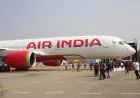
Airline Launches “Great Idiots Sale” After Elon Musk Feud
Following a public spat with Elon Musk, an airline has launched a “Great Idiots Sale,” using the feud as a marketing pivot to promote discounted fares.
 Jishan Khan

An unidentified airline has rolled out a tongue-in-cheek promotional campaign dubbed the “Great Idiots Sale” in the wake of a very public social media feud with technology entrepreneur Elon Musk, using what began as a dispute over inflight connectivity and executive commentary as a springboard for sharply discounted fares.
The campaign title plays directly on the language used during a heated exchange on social platforms between Musk and the airline’s chief executive. Musk, who leads SpaceX and Starlink and has increasingly engaged with airlines over in-flight internet solutions, suggested that he might buy the carrier and replace its leadership after the CEO criticised Musk’s technologies and approach. In response, the airline adopted the term as part of a season-wide promotional offer, reframing the narrative in a way that draws attention to its fare sale rather than the underlying dispute.
From an industry perspective, it is unusual for a commercial carrier to leverage a public feud with a non-aviation technology figure in direct customer marketing. Marketing executives note that aviation brand campaigns typically emphasise network strength, product quality, loyalty benefits or price competitiveness. Using a high-profile personality clash marks a departure from conventional airline messaging and reflects creative positioning amid intense competition for leisure and price-sensitive traffic.
The “Great Idiots Sale” covers a range of domestic and international sectors, with tickets priced significantly below normal levels for travel over the next several months. Booking windows and route details were rolled out in a targeted digital campaign, with emphasis on flexibility and value — key considerations for passengers deciding among carriers in markets where low-fare competition is fierce.
Industry analysts say the tactic reflects broader trends seen in travel marketing where carriers and ancillary service providers capitalise on pop-culture and social media buzz to amplify reach. Airlines have run themed sales tied to holidays, sporting events and cultural moments; this instance is notable for its genesis in a corporate dispute rather than a predefined calendar event.
In the feud behind the promotion, the airline CEO had publicly dismissed some of Musk’s assertions regarding satellite-based connectivity solutions, particularly Starlink’s readiness and fit for airline adoption. Musk responded by criticising the airline’s leadership on social platforms and intimating that he might consider acquiring the company and overhauling its management. The social media volley quickly drew attention from aviation observers, technology commentators and the investing community, given Musk’s high profile and the unusual cross-sector nature of the disagreement.
Airline network and marketing planners emphasise that fare sales remain grounded in revenue-management realities, with load factors, seasonal demand and aircraft utilisation shaping discount windows. Slot availability at constrained airports, crew scheduling logistics and regulatory compliance also inform how aggressively an airline can discount certain routes without distorting yield performance or overburdening ground operations.
Passengers navigating the “Great Idiots Sale” are advised to evaluate itinerary flexibility, baggage entitlements and ancillary charges, which often accompany ultra-low fare promotions. Competitive responses from other carriers might arise, particularly on overlapping city pairs where network carriers and low-cost competitors vie for similar customer segments.
For aviation industry observers, the episode provokes questions about the interplay of executive conduct, public personality, social media dynamics and commercial strategy. The airline’s decision to channel a high-visibility dispute into a promotional tactic aligns with a broader media environment where stories and headlines — even contentious ones — contribute to brand visibility and consumer engagement.
Regulatory and safety stakeholders have not commented directly on the promotional campaign, but underlying the marketing push is the carrier’s ongoing obligation to meet operational, crew duty-time and safety standards — the core pillars of airline credibility. As with any sale, the focus for travellers will be on value delivered relative to service performance and reliability.
Whether the “Great Idiots Sale” drives incremental bookings or prompts competitive pricing actions from rivals will be watched closely over the coming booking cycles. Separately, the feud’s visibility has prompted commentary within the aviation sector on how airlines and external technology partners engage publicly — including how disputes are framed and the degree to which commercial entities harness those moments for brand attention.
In sum, the airline’s campaign illustrates how industry communication strategies continue to evolve, even amid contentious interactions involving technology figures, executive leadership and consumer marketing — and how carriers seek to turn broader narratives into concrete commercial outcomes for travellers.