Why Airlines Are Rethinking Short‑Haul Catering as Costs Rise and Passenger Expectations Shift
Airlines are re‑evaluating short‑haul onboard catering as rising costs, sustainability pressures and changing passenger preferences force a rethink of traditional meal service.
 Jishan Khan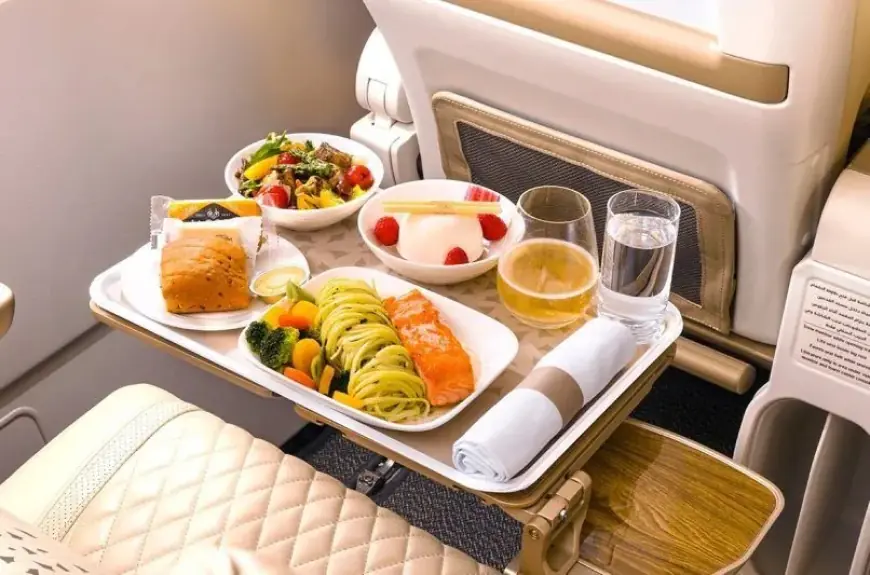

Airlines around the world are increasingly questioning whether traditional short‑haul onboard catering still makes economic and operational sense, as rising costs, food waste and shifting passenger expectations push the industry toward reform.
On flights lasting under three hours, full meal services often generate minimal customer satisfaction while creating disproportionate costs related to sourcing, logistics, loading time and waste management. Airlines argue that the return on investment for complimentary catering on short routes is becoming harder to justify, particularly for price‑sensitive travelers.
Many carriers are now experimenting with simplified menus, buy‑on‑board options, pre‑order digital catering and partnerships with local food brands. These models aim to reduce waste, improve margins and offer passengers more choice, while aligning with broader sustainability goals.
Low‑cost carriers have long embraced lean catering models, but full‑service airlines are now following suit as competitive pressures intensify and operational efficiency becomes a priority. Industry experts say passenger tolerance for lighter or optional catering has grown, especially when balanced with lower fares or improved on‑time performance.
As airlines look to modernise the short‑haul experience, catering reform is emerging as a key lever — one that reflects a broader shift toward modular, data‑driven service models across the aviation industry.