Akasa Air Flight Delayed then Cancelled, 150 Passengers Stranded Overnight
An Akasa Air Pune–Ahmedabad flight was first delayed then cancelled, leaving around 150 passengers stranded overnight amid operational and weather challenges.
 Jishan Khan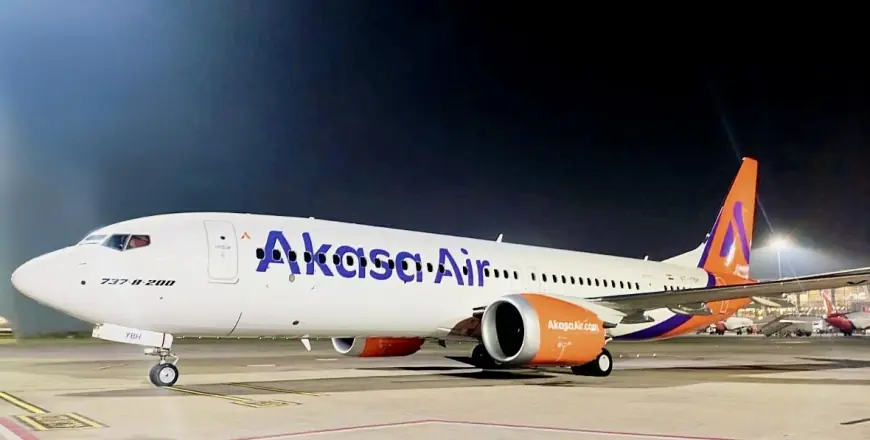

An Akasa Air scheduled service from Pune to Ahmedabad was significantly disrupted this week, with the flight first delayed and then cancelled, leaving roughly 150 passengers stranded overnight as airline operations and external conditions challenged schedule reliability.
The flight, originally planned as a domestic rotation connecting Maharashtra’s Pune Airport with Ahmedabad in Gujarat, experienced an extended delay that stretched into the evening. Passengers reported confusion around scheduling information, limited updates from ground staff and prolonged wait times at the departure gate as the airline assessed operational feasibility.
As night fell without a confirmed departure, Akasa Air eventually cancelled the flight. The airline then arranged overnight accommodation for affected travellers at local facilities, and has been managing rebooking on subsequent services. The stranded passengers faced logistic challenges including late-night transport needs and rescheduling of onward connections.
Flight disruptions such as prolonged delays or cancellations can arise from a variety of contributing factors including aircraft maintenance issues, crew rostering constraints, adverse weather or air traffic control restrictions. In this instance, passenger accounts indicated that both operational delays and coordination bottlenecks at the departure airport played a role in the eventual decision to cancel the service.
Akasa Air, a relatively young Indian low-cost carrier operating a fleet of narrowbody aircraft on domestic and regional routes, has been expanding its network rapidly in recent years. Maintaining schedule integrity amid growth demands robust planning, particularly in crew deployment and aircraft rotation management across multiple airport bases.
Airline operational control teams work continuously to monitor real-time influences on flight performance, adjusting crew assignments, aircraft swaps or slot timings to minimise knock-on effects. However, when delays extend beyond permissible duty limits or when alternative aircraft availability is constrained, cancellation becomes the necessary outcome under civil aviation safety and duty-time regulations.
Pune Airport handled the accommodation logistics for passengers staying overnight, coordinating with hotels and ground handling agents under airline direction. Akasa Air has communicated with passengers regarding rebooking options and compensation where applicable under India’s civil aviation consumer protection norms, which set out entitlements for meals, hotel stays and alternate travel following significant disruptions.
For domestic carriers in India, particularly during peak travel periods or seasonal weather variability, maintaining punctuality metrics is an ongoing operational focus. Network planners and airline executives routinely analyse delay patterns to inform rostering enhancements and deployment flexibility that can reduce disruption impact on both crew and passengers.
Passenger advocacy groups have emphasised the importance of timely communication during irregular operations, noting that proactive updates and transparent rebooking assistance help mitigate frustration when travels are interrupted. Airlines increasingly deploy digital notifications and customer support channels to manage such scenarios.
The incident highlights broader challenges in domestic aviation where schedule commitment, fleet utilisation and real-time decision-making intersect. Indian carriers, facing competitive market dynamics and high passenger volumes, depend on rigorous planning and contingency reserves to safeguard both safety and service quality.
As Akasa Air continues to grow its domestic footprint, operational disruptions like the overnight stranding on the Pune–Ahmedabad sector underscore the need for resilient rostering, robust ground coordination and enhanced customer service protocols to uphold reliability expectations among travellers.