American Airlines Plans 10 Ultra‑Long Nonstop Routes in 2026
American Airlines is preparing up to 10 ultra‑long nonstop routes in 2026, with flight times approaching 17 hours as part of its long‑haul strategy.
 Jishan Khan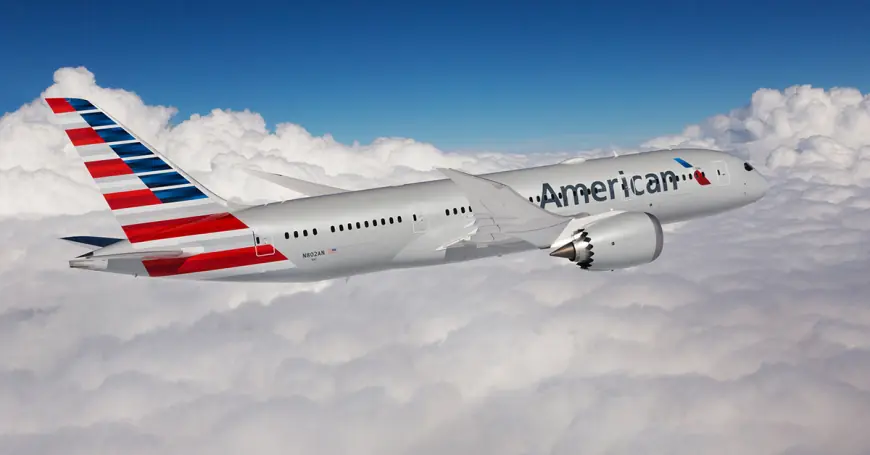

American Airlines is preparing to launch up to 10 new ultra‑long nonstop routes in 2026, with some flights expected to approach 17 hours in duration, marking a significant expansion of the carrier’s long‑haul network and operational complexity.
The planned routes are expected to connect major US hubs with distant international markets across Asia, the Middle East and parts of the Southern Hemisphere. Such flight lengths place these services among the longest operated by any North American airline, reflecting a growing willingness among carriers to deploy nonstop services on city pairs previously served only via one or more connections.
Ultra‑long‑haul flying has become a strategic tool for large network airlines seeking to capture premium demand, improve customer convenience and differentiate hub offerings. For American Airlines, the move signals a renewed focus on long‑distance international markets following a period of more cautious long‑haul growth.
Operating flights of up to 17 hours requires careful fleet selection and robust operational planning. American’s long‑haul fleet includes Boeing 787‑8 and 787‑9 aircraft, as well as Boeing 777 variants, all of which are capable of extended‑range operations. The fuel efficiency and range of newer‑generation widebodies are central to making such routes economically viable, particularly amid volatile fuel prices and tight capacity management.
From a network planning perspective, nonstop ultra‑long routes allow airlines to bypass traditional connecting hubs, capturing high‑yield point‑to‑point traffic while reducing dependence on intermediate airports. These routes are often designed to attract business travellers and premium leisure passengers willing to pay for time savings and direct connectivity.
However, the economics of ultra‑long‑haul services remain finely balanced. Extended block times increase crew costs, maintenance exposure and scheduling risk, while aircraft utilisation can be constrained by the length of each rotation. To mitigate these factors, airlines typically deploy such routes from their largest hubs, where connecting traffic can supplement local demand and improve load factors.
For American Airlines, the planned expansion aligns with broader industry trends that have seen carriers push the limits of aircraft range to open new nonstop markets. Airlines in the Asia‑Pacific, Middle East and Australia have already demonstrated sustained demand for flights exceeding 15 hours, particularly on routes linking major financial and population centres.
The introduction of up to 10 ultra‑long routes also has implications for airport infrastructure and operational readiness. Long‑haul departures require enhanced ground handling coordination, crew rest planning and contingency strategies for diversions, especially on routes with limited alternate airports along the flight path.
Strategically, these routes strengthen American Airlines’ global footprint and reinforce the role of its key hubs as international gateways. By offering nonstop access to far‑flung destinations, the airline can improve its competitive positioning against both US and foreign network carriers that are also expanding long‑haul offerings.
As 2026 approaches, the success of American’s ultra‑long‑haul strategy will depend on disciplined route selection, sustained demand in premium cabins and the airline’s ability to manage the operational intensity associated with some of the longest scheduled flights in commercial aviation. If executed effectively, the expansion could mark a defining shift in American Airlines’ long‑haul network profile.