American Airlines Probes In-Flight Conduct Incident Involving First-Class Seat Swap
American Airlines investigates in-flight conduct incident that forced a seat change in first class, highlighting passenger behaviour policies and crew enforcement.
 Jishan Khan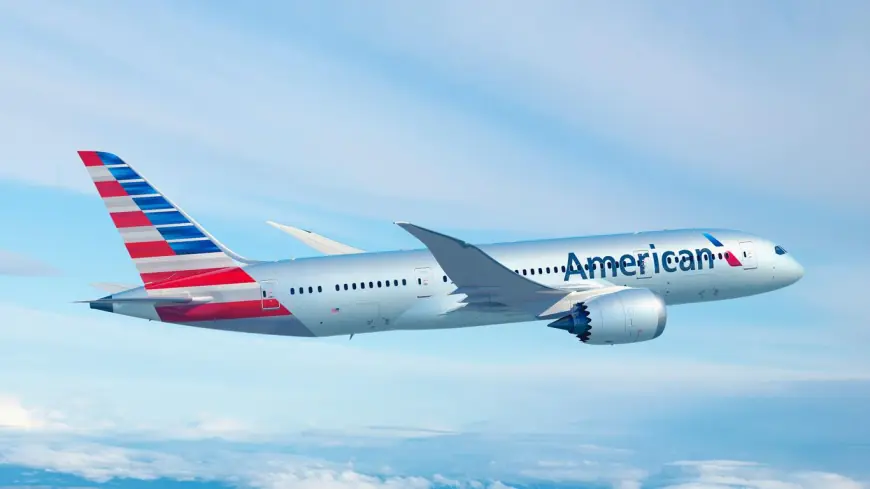

American Airlines is addressing an in-flight conduct incident that occurred aboard a recent scheduled service, prompting an investigation into passenger behaviour and cabin crew enforcement of seating assignments.
According to flight reports and passenger accounts on social platforms, the situation unfolded in first class when an individual booked in a standard seat reportedly attempted to occupy a seat reserved for another passenger. Crew members were compelled to intervene and reassign seating to resolve the dispute. The airline’s internal review is examining the sequence of events, compliance with safety regulations, and crew handling of the episode.
Airliners enforce strict seating assignments for operational and safety reasons. First-class cabins are structured around fare class, weight and balance considerations, and customer entitlement as reflected in ticketing and loyalty status. Cabin crew are trained to manage passenger placement in line with these parameters as well as Federal Aviation Administration rules regarding seating and restraint use during taxi, takeoff and landing.
The incident highlights challenges in managing passenger behaviour and enforcing contract of carriage provisions mid-flight. Crew members routinely balance customer service with adherence to safety protocols, including ensuring passengers are seated in their assigned seats for critical phases of flight. American Airlines spokespersons have emphasised that passenger safety and compliance with onboard policies remain paramount.
In recent years, U.S. carriers have stressed the importance of cabin discipline and crew authority following a spate of highly publicised in-flight confrontations. Regulatory scrutiny has also increased, with the Federal Aviation Administration and Department of Transportation urging airlines to consistently apply their codes of conduct and to ensure that disruptive behaviour is met with appropriate action.
American Airlines has indicated that its customer care and operations teams are contacting the passengers involved to clarify the circumstances and, if needed, to apply relevant contract terms. The airline also reviews records of similar occurrences to identify trends that may warrant updates to training, communication or policy enforcement.
Cabin crew protocols typically include de-escalation techniques, coordination with the flight deck, and escalation pathways that involve law enforcement notification upon landing if behaviour is deemed unsafe or unlawful. In this case, there were no reports of injuries or diversions, and the aircraft completed its scheduled journey.
For aviation industry observers, such incidents serve as reminders of the intersection between passenger expectations, fare class allocation, and cabin operations. Ensuring clarity in seating assignments, communicating fare entitlements at boarding, and training crew in conflict resolution are components of a broader operational strategy to maintain service standards and safety.
The event at American Airlines mirrors wider airline industry experience where premium cabin disputes, though rare, can have reputational and operational repercussions. Stakeholders including regulators, airline safety managers and passenger rights advocates continue to assess how best to balance customer service with strict adherence to safety and contractual obligations.