American, Southwest Sued Over Free In-Flight Wi-Fi Patent
Patent suit filed against American Airlines and Southwest claims infringement over free in-flight Wi-Fi technology as U.S. air travel connectivity grows.
 Jishan Khan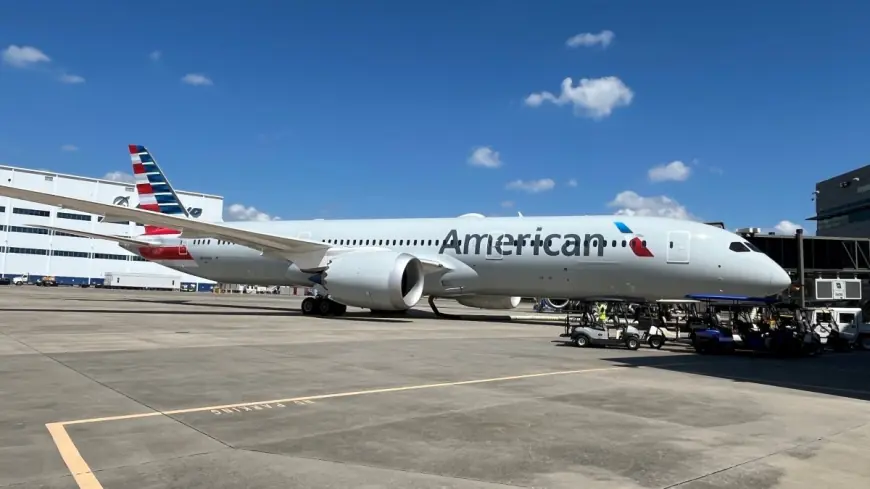

American Airlines and Southwest Airlines are facing a patent infringement lawsuit alleging unauthorised use of technology related to free in-flight Wi-Fi, underscoring emerging legal and competitive dynamics in the aviation connectivity sector.
The legal action, filed in a U.S. federal court by a technology patent holder, asserts that both carriers have implemented systems enabling complimentary onboard internet access that allegedly infringe upon proprietary patents owned by the plaintiff. The complaint seeks damages and an injunction against continued use of the contested technology.
In-flight connectivity has become a key differentiator among airlines as passenger expectations evolve and carriers pursue ancillary revenue opportunities. Offering free Wi-Fi has been embraced by many U.S. carriers to enhance customer experience, improve brand perception, and stimulate ancillary sales, particularly on long-haul and domestic transcontinental flights.
American Airlines and Southwest — two of the largest airlines in the United States by fleet size and domestic market share — adopted free Wi-Fi programmes at varying levels in recent years as part of broader passenger experience enhancements. The lawsuit alleges that these implementations relied on patented methods without licensing agreements, raising questions about intellectual property governance in airline technology adoption.
Both carriers have substantial technology footprints in their cabins, incorporating connectivity hardware, digital entertainment platforms and passenger engagement services. Free internet access initiatives, while costly to deploy and operate, are increasingly viewed as essential for competing in a market where business travellers and leisure flyers alike prioritise seamless digital access.
Legal experts note that patent litigation in the technology space is not uncommon, but its application to airline connectivity highlights the sector’s maturation and the value of proprietary innovations. If successful, the suit could compel carriers to revise technology partnerships, negotiate licensing terms, or adopt alternative systems, with implications for operational costs and passenger services.
From a regulatory perspective, U.S. carriers operate under Federal Communications Commission frameworks governing spectrum use and onboard communications equipment, while aviation regulators focus on ensuring connectivity solutions do not interfere with aircraft systems or safety protocols. Lawsuits over intellectual property do not directly involve aviation safety regulators, but they can affect technology rollout strategies.
For American Airlines and Southwest, defending against the allegations will require demonstrating non-infringement, invalidity of the challenged patents, or licensing arrangements that predated the lawsuit. Both airlines could face significant legal expenditures and potential financial exposure if the case advances.
Industry analysts suggest the dispute reflects broader tensions between innovation owners and large service providers that integrate third-party technologies. As airlines pursue digital transformation — from inflight entertainment upgrades to real-time operational data streams — securing clear intellectual property rights becomes critical.
Passengers, meanwhile, continue to benefit from expanded Wi-Fi offerings, though legal entanglements like this could influence how such services are delivered in the future. Should carriers be required to alter their connectivity platforms, travellers might see shifts in service quality, availability, or pricing structures.
The broader trend in U.S. aviation is toward enhanced connectivity, both in the air and on the ground, with carriers expanding free and paid internet options while integrating mobile apps, streaming partnerships and data-driven customer engagement tools. The lawsuit adds a legal dimension to this competitive landscape, as the value of digital services grows alongside traditional aviation operations.