Arkia Owners in Talks to Sell Israeli Airline for $50 Million
Arkia’s owners are reportedly in talks to sell the Israeli airline for around $50 million, signaling potential consolidation in the aviation market.
 Jishan Khan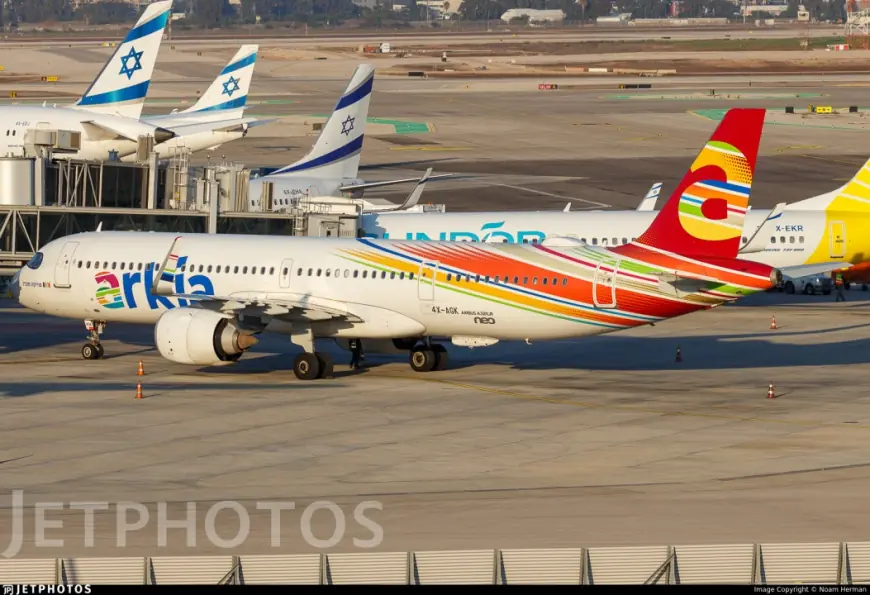

Owners of Israel’s Arkia Airlines are reportedly in discussions to sell the carrier for an estimated $50 million, a development that could reshape the competitive landscape of the country’s aviation market. The talks come at a time when airlines globally are reassessing ownership structures, capital requirements and long-term strategic positioning amid evolving market conditions.
Arkia, one of Israel’s key airlines alongside El Al and Israir, operates a mix of domestic and international services, with a business model historically focused on leisure travel and charter operations. Any potential sale would mark a significant shift for the carrier, which has played an important role in Israel’s short-haul and regional air connectivity for decades.
From an aviation finance perspective, a valuation of around $50 million reflects the challenges and opportunities facing mid-sized carriers in highly competitive markets. Airlines such as Arkia operate in an environment shaped by fluctuating fuel costs, aircraft leasing expenses, labour pressures and geopolitical considerations, all of which influence investor appetite and deal structures.
The reported talks also highlight broader consolidation trends within the airline industry. As operating costs remain elevated and fleet modernisation demands increase, smaller and mid-sized airlines are increasingly viewed as acquisition targets or merger candidates. Strategic investors may see value in Arkia’s established brand, operating certificates and access to key leisure routes, particularly in markets where barriers to entry are high.
Israel’s aviation market presents unique dynamics. Strong outbound leisure demand, a high reliance on international connectivity and periodic disruptions linked to regional security conditions create both risks and opportunities for airline operators. For potential buyers, acquiring Arkia could offer immediate market presence and route access without the lengthy regulatory process required to launch a new carrier.
Fleet considerations are likely to play a central role in any transaction. Arkia has historically operated a mixed fleet tailored to short- and medium-haul operations. Future owners may evaluate fleet renewal or simplification strategies to improve efficiency, reduce maintenance complexity and align capacity with demand trends. Aircraft availability and financing terms will be critical factors influencing post-acquisition strategy.
The timing of the reported sale discussions also reflects shifting investor sentiment toward aviation assets. While demand recovery has supported revenue growth across many markets, profitability remains uneven. Investors are increasingly selective, favouring airlines with clear network roles, cost discipline and resilience to market shocks. Arkia’s leisure-oriented focus may appeal to buyers seeking exposure to travel demand without the complexity of large hub-and-spoke operations.
Regulatory approval would be a key step in any potential sale. Changes in airline ownership typically require oversight from aviation authorities to ensure compliance with safety, competition and national interest requirements. In Israel’s case, aviation is considered a strategically important sector, adding an additional layer of scrutiny to ownership changes.
For Arkia’s employees, suppliers and passengers, ownership uncertainty can create short-term questions around strategy and stability. However, successful transactions often provide airlines with access to new capital, management expertise and strategic direction, which can strengthen long-term prospects if aligned effectively.
Industry analysts note that airline valuations remain sensitive to macroeconomic conditions, including interest rates and consumer spending patterns. Any final transaction price would likely reflect due diligence findings related to Arkia’s financial performance, fleet commitments and future growth potential.
As discussions reportedly continue, the potential sale of Arkia underscores the ongoing recalibration of airline ownership models worldwide. Whether the talks lead to a completed transaction or not, they highlight the pressures facing mid-sized carriers and the growing role of mergers, acquisitions and strategic investments in shaping the future of global aviation.