Over 50 Flights Cancelled Across Asia, Leaving Passengers Stranded in Multiple Countries
Passengers were left stranded across Indonesia, Taiwan, Hong Kong, Malaysia and Vietnam after more than 50 flights were cancelled by major Asian airlines, disrupting regional travel networks.
 Jishan Khan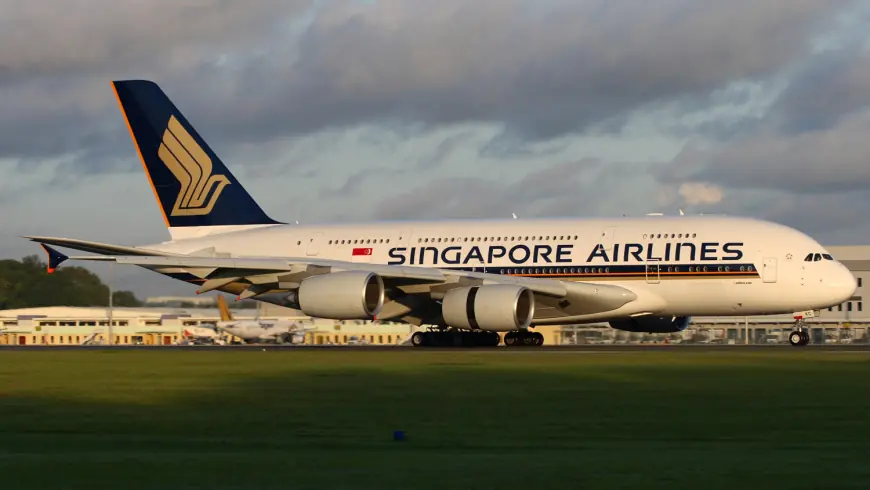

Passengers across several major Asian travel hubs were left stranded after more than 50 flights were cancelled, highlighting ongoing operational and network challenges faced by airlines operating in the region.
The cancellations affected travelers in Indonesia, Taiwan, Hong Kong, Malaysia and Vietnam, with multiple full‑service and regional carriers impacted. Airlines including Garuda Indonesia, Singapore Airlines, Cathay Pacific, Malaysia Airlines and other regional operators were among those forced to cancel services, disrupting both domestic and international connections.
The widespread nature of the cancellations created significant knock‑on effects across Asia’s tightly interconnected aviation network. Passengers reported missed onward connections, extended airport delays and limited rebooking availability as airlines worked to manage capacity constraints and operational pressures.
Such large‑scale disruptions underline the sensitivity of regional aviation systems, particularly in markets where high flight frequencies and hub‑and‑spoke operations dominate. When cancellations occur across multiple airlines simultaneously, recovery becomes more complex due to aircraft rotation issues, crew availability and congestion at major hubs.
For airlines, managing irregular operations has become increasingly challenging as traffic volumes remain high and fleets are utilised more intensively. Even short‑term disruptions can quickly cascade across multiple countries, especially in Southeast and East Asia where cross‑border travel demand is strong.
From a passenger perspective, the incident reinforces the importance of travel flexibility and awareness of airline rebooking and compensation policies. Travelers affected by cancellations often face extended delays during peak travel periods, particularly when alternative flights are already operating at high load factors.
Industry analysts note that while airlines continue to strengthen operational resilience, external pressures such as airspace constraints, weather events and scheduling complexities remain persistent risks. The latest wave of cancellations demonstrates how quickly these factors can converge, affecting thousands of passengers across multiple markets.
As Asian carriers continue to rebuild capacity and optimise schedules, maintaining operational reliability will remain a key priority, particularly as regional travel demand shows sustained growth across leisure and business segments.