Castlelake Talks May Decide Spirit Airlines’ Future Amid Bankruptcy
Spirit Airlines is in advanced talks with asset investor Castlelake over a potential restructuring or takeover as bankruptcy pressures mount on the ULCC.
 Jishan Khan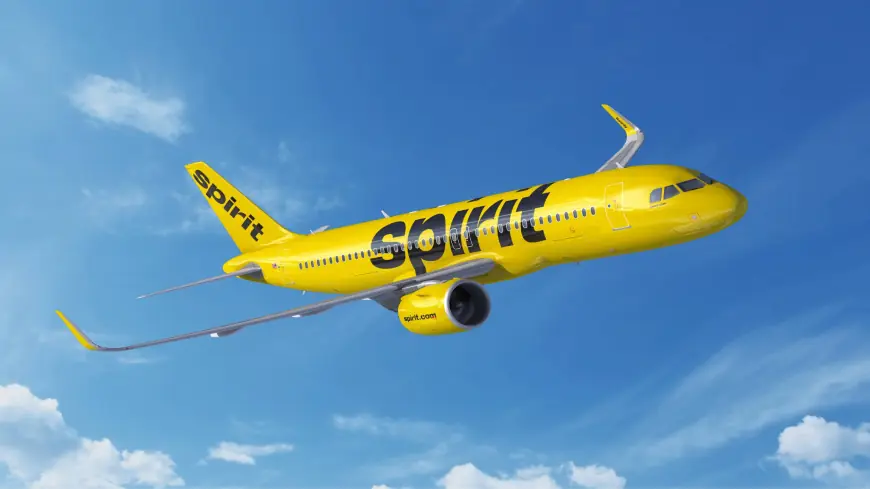

Spirit Airlines is engaged in discussions with alternative investment firm Castlelake over a possible takeover or restructuring deal that could determine the ultra‑low‑cost carrier’s future as it navigates Chapter 11 bankruptcy and mounting financial pressures.
The talks with the Minneapolis‑based asset investor come against the backdrop of Spirit’s second bankruptcy filing in less than a year. The airline, known for its no‑frills model and distinctive yellow‑livery fleet, has struggled with extended losses, rising operating costs and weakened demand, prompting the search for strategic alternatives that could secure immediate liquidity and a viable path forward.
Castlelake, which has extensive experience in aviation financing and asset‑based lending through its Merit AirFinance platform, is reportedly weighing a range of options. These could include a capital infusion to stabilise operations, a structured takeover of Spirit’s business, or an asset‑focused transaction potentially involving the carrier’s fleet and other tangible assets.
Spirit’s current fleet largely comprises Airbus A320 family aircraft, which are among the most common narrowbody jets globally. Their relative homogeneity and residual market value make the group’s fleet attractive collateral for structured financing. However, industry analysts caution that an asset sale alone — such as divesting aircraft for parts or lease restructuring — could further weaken network competitiveness and operational continuity if not coupled with a broader recovery plan.
The discussions follow a series of unsuccessful merger and acquisition attempts that have marked Spirit’s recent history. A proposed $3.8 billion acquisition by JetBlue Airways was blocked by US regulators on antitrust grounds, while subsequent talks with Frontier Airlines did not result in a concluded deal. Those developments have left Spirit’s creditors and stakeholders seeking alternative solutions amid deteriorating cash reserves.
Castlelake’s interest reflects private equity’s rising role in distressed aviation situations, particularly when traditional airline suitors face regulatory or financial constraints. An investor‑led restructuring could provide immediate financial stability while allowing Spirit to retain operational identity. Yet private equity playbooks also raise questions about possible cost cuts, fleet rationalisation or route network optimisation as conditions for investment viability.
For Spirit, preserving its low‑fare identity and competitive role within the crowded US domestic market — where ultra‑low‑cost carriers have pressured legacy operators on price — is tied closely to restructuring outcomes. The airline’s chapter 11 process is intended to reduce debt and unlock liquidity, but without a credible post‑bankruptcy plan, Spirit’s long‑term survival remained uncertain.
Industry observers note that any takeover or restructuring deal hinges on creditor support, regulatory clearance and a sustainable business model. Spirit’s extensive route network, spanning key leisure and secondary markets, offers commercial value, but converting that into a profitable platform requires navigating yield pressures and cost‑base challenges inherent in the ULCC segment.
As talks with Castlelake progress, the aviation sector will be watching closely. A successful transaction could provide a lifeline to Spirit and preserve competitive dynamics within the US airline industry. Conversely, a breakdown in negotiations might accelerate fleet divestitures or even liquidation scenarios, with broader implications for aircraft lessors, workforce stability and discount travel availability.
The coming weeks are likely to be critical in shaping Spirit Airlines’ trajectory, with potential outcomes ranging from a restructured independent operation to an investor‑led turnaround that redefines the airline’s strategic positioning in a highly competitive market.