Delhi’s IGI Airport to Close One Runway for Five Months from Feb 16
Delhi’s IGI Airport will shut one runway for five months from February 16 for maintenance, affecting flight schedules and passenger operations.
 Jishan Khan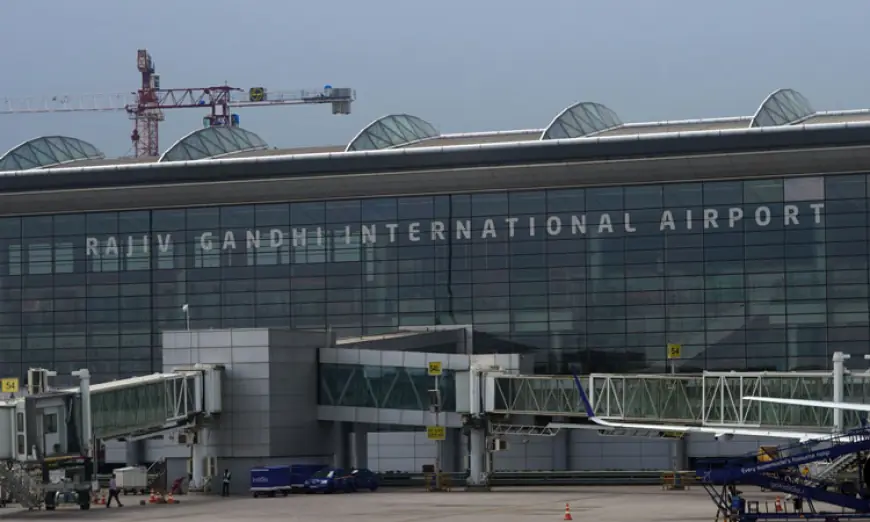

Indira Gandhi International Airport (IGI) in Delhi will temporarily close one of its two active runways for extensive maintenance from February 16, 2026, through mid-July, airport authorities and airline planners have confirmed. The closure is expected to have operational repercussions at India’s busiest aviation hub, necessitating schedule adjustments, capacity management and enhanced passenger communication.
The runway closure will involve sustained resurfacing and structural upgrades aimed at extending its service life and improving operational safety. Runway works are scheduled during a period that traditionally sees relatively moderate traffic growth, but the five-month programme remains one of the longest sustained runway closures at IGI in recent years. With only one runway operational during this interval, air traffic controllers and airport managers will need to mitigate congestion, particularly during early-morning and evening peak windows.
Delhi Airport serves as a principal hub for several Indian carriers, including Air India, IndiGo and Vistara, handling thousands of flights weekly across domestic and international networks. Reducing available runway capacity alters arrival and departure sequencing, increases separation minima in certain weather conditions and tightens slot utilisation — factors that can translate into flight delays and rescheduling from February through July.
Airlines operating at IGI are already coordinating with airport management to adapt their schedules and manage aircraft rotations. Operational control centres will need to recalibrate block times and turnaround buffers, particularly where tight connections at Delhi feed larger long-haul networks. Delhi’s position as a central hub for north-south and east-west flows means that even marginal runway capacity constraints can magnify into systemic schedule effects without proactive planning.
Passengers travelling through IGI during the closure period should anticipate possible revisions to departure and arrival times, especially on flights scheduled in peak traffic windows. Carriers have indicated that advance communication via digital apps, SMS alerts and airport displays will help travellers track changes, while re-booking support and customer care desks will handle irregular operations as needed.
Airport authorities have assured that extensive coordination with airlines, ground handlers and air traffic services will aim to preserve as much schedule integrity as possible. Enhanced slot management and strategic distribution of traffic across the remaining runway’s operational hours will be key to maintaining throughput. In addition, airlines and airport partners are preparing contingency plans for adverse weather conditions, which can compound runway occupancy time and affect chalk-to-chalk performance.
The runway closure also intersects with India’s broader aviation growth and infrastructure plans. As traffic volumes rebound from pandemic lows and domestic passenger demand continues to expand, runway maintenance and capacity planning have become central to long-term hub performance at IGI. Authorities said the works are planned to align with international safety standards and to reduce the need for more frequent short-duration closures in the future.
For freight operators and cargo movement, the reduced runway availability will require careful load and slot management to prevent bottlenecks in time-sensitive supply chains. Delhi Airport’s cargo terminals play a pivotal role in north India’s export logistics, and airlines specialising in freighter operations are expected to coordinate schedules with ground handlers to mitigate potential congestion.
Regulators including the Directorate General of Civil Aviation (DGCA) are monitoring the runway maintenance plans to ensure compliance with safety protocols and continuity of operations. DGCA has emphasised that airlines must maintain duty roster robustness and fuel planning contingencies to absorb any delays arising from the constrained runway environment.
Airport planners and analysts note that runway closures of this duration are uncommon in major hubs without concurrent capacity mitigation measures. IGI’s parallel taxiways and rapid exit systems will be leveraged to reduce operational delays, and real-time traffic monitoring will inform dynamic slot adjustments.
For travellers, early awareness of the runway closure and proactive itinerary management will be key to reducing uncertainty. Airlines recommend that passengers for flights into and out of Delhi during the affected period check schedules closer to departure, allow additional transit time and remain attentive to carrier notifications regarding boarding and gate changes.
As the closure progresses, performance metrics such as on-time arrival percentages and departure sequencing efficiency will be closely watched by industry stakeholders. The runway maintenance project at IGI represents a test case in balancing vital infrastructure renewal with service continuity at one of the region’s busiest aviation nodes.