Delta Unbundles Premium, Basic, Business and First Fares for 2026
Delta Air Lines plans to unbundle fare products across cabins in 2026, reshaping pricing strategy and giving customers more choice in ancillary options.
 Jishan Khan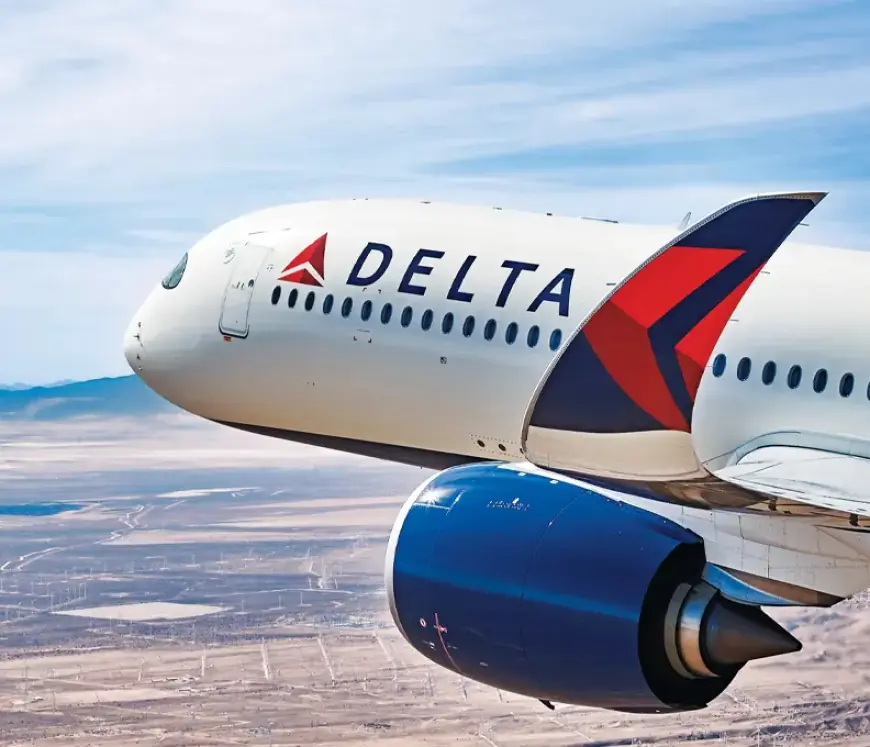

Delta Air Lines has announced a more granular unbundling of its fare products across standard, premium economy, business and first-class cabins for 2026, a strategic shift that recalibrates pricing structures and ancillary revenue opportunities amid evolving passenger expectations and competitive pressures.
The expanded unbundling strategy will allow customers to purchase core airfare at a base level and then add specific services — such as seat selection, checked baggage, enhanced change flexibility, lounge access and onboard amenities — as optional extras. Delta’s approach mirrors broader fare segmentation trends that some carriers are adopting to better align pricing with individual customer willingness to pay for differentiated services.
Under the revised 2026 fare architecture, Delta will delineate new fare families within its premium cabins as well, offering incremental bundles that vary by refundability, advance seat choice and premium perks. In practical terms, this means that passengers flying in premium economy, business class or first class may be able to opt into or out of select benefits that were previously bundled together.
Delta’s executive leadership has framed the initiative as part of an effort to respond to diverse traveler priorities, particularly as leisure demand remains resilient and corporate travel patterns continue to shift post-pandemic. The airline aims to provide travellers with more personalised control over what they pay for, while also capturing ancillary revenue that supplements traditional ticket sales.
The unbundling strategy touches on key revenue pillars. Airlines have long relied on ancillary streams — such as checked bag fees, seat-lock products, priority boarding and loyalty programme upsells — to support profit margins in an environment marked by high fuel prices and inflationary cost pressures. By extending this model into premium cabins, Delta seeks to broaden these revenue vectors while offering flexibility to customers who may place varying values on specific inclusions.
Industry analysts note that greater unbundling can have dual implications. For passengers, the ability to customise fare content may reduce the cost of travel for those uninterested in add-ons. For airlines, the model can enhance revenue management precision, allowing carriers to dissect the traditional bundle and monetise discrete elements more effectively.
However, unbundling across all cabin classes also invites careful calibration. Carriers must balance the potential for ancillary revenue gains against the risk of customer dissatisfaction if passengers perceive complexity or opaque pricing. Fare transparency regulations in several jurisdictions further require airlines to disclose the total price upfront, including mandatory charges and ancillary options.
Delta’s move also reflects competitive dynamics among U.S. and global carriers that have experimented with segmented fare products. Some competitors have introduced dynamic bundles designed to encourage upsell to higher cabins while providing base levels that exclude certain traditional inclusions. As network carriers adjust to post-pandemic traffic mixes, fare product innovation remains central to differentiating service offerings.
From an operational and distribution perspective, the unbundling strategy will require updated pricing logic across Delta’s reservation systems, global distribution systems and digital channels. Clear communication at the point of sale is necessary to ensure that customers understand what is included in each fare tier and what optional extras entail.
For frequent flyers, particularly those loyal to Delta’s SkyMiles programme, unbundled fare options may translate into new opportunities to redeem or earn points on optional services that were historically part of a base fare. Delta planners are expected to integrate the unbundled ancillary elements into loyalty accretion models.
As Delta implements these changes in 2026, the broader aviation industry will watch how fare unbundling affects yield management, customer behaviour and competitive positioning, particularly among legacy carriers navigating the trade-off between product simplicity and personalised pricing.