easyJet Declines Starlink Inflight Wi‑Fi as Ryanair Moves Ahead With Musk’s Satellite Internet
easyJet has opted not to adopt SpaceX’s Starlink inflight Wi‑Fi, contrasting with Ryanair’s move toward satellite connectivity as airlines reassess onboard internet strategies.
 Jishan Khan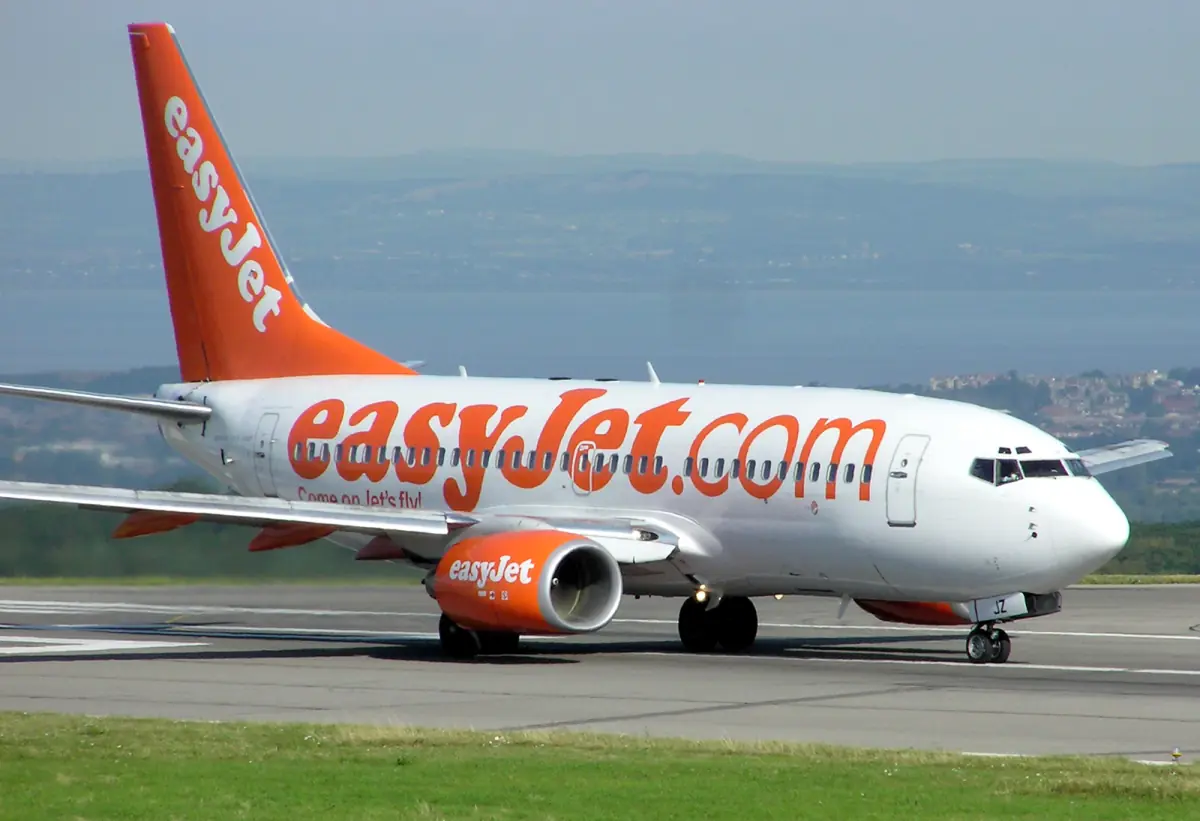

easyJet has chosen not to adopt SpaceX’s Starlink satellite inflight Wi‑Fi system, marking another notable rejection of Elon Musk’s aviation connectivity solution, even as rival low‑cost carrier Ryanair moves ahead with plans to introduce the technology across its fleet.
The decision highlights diverging strategies among European airlines as they evaluate next‑generation inflight connectivity options. While Starlink has gained attention for its promise of high‑speed, low‑latency internet using low‑Earth‑orbit satellites, not all carriers are convinced that the technology aligns with their operational and commercial priorities.
easyJet has indicated that it continues to assess inflight connectivity solutions based on cost, reliability, passenger demand and fleet compatibility. The airline has previously emphasized a cautious approach to onboard Wi‑Fi investments, particularly given the cost‑sensitive nature of the low‑cost carrier business model.
In contrast, Ryanair has publicly signalled its intention to roll out Starlink connectivity, positioning the service as a potential differentiator for passengers seeking fast and reliable inflight internet at low or no additional cost. The move reflects Ryanair’s broader strategy of leveraging ancillary services and technology to enhance the passenger experience while maintaining low fares.
Starlink’s aviation offering has already secured agreements with several airlines globally, but adoption has been uneven, particularly in Europe where regulatory, technical and economic considerations vary widely among operators. Some airlines remain cautious about installation complexity, antenna performance and long‑term operating costs.
Industry analysts note that inflight connectivity remains a challenging investment for short‑haul carriers, where flight durations are limited and passenger willingness to pay for Wi‑Fi can be inconsistent. As a result, airlines continue to balance customer expectations against financial and operational realities.
The contrast between easyJet’s restraint and Ryanair’s enthusiasm underscores the fragmented nature of inflight connectivity strategies across the airline industry. As satellite internet technology continues to evolve, airlines are expected to reassess their positions, with adoption driven as much by economics as by passenger demand and competitive pressure.