Emirates Adds Four Weekly Flights to Manila
Emirates expands services to Manila with four new weekly flights, boosting Middle East–Philippines connectivity and capacity on a high-demand leisure and VFR corridor.
 Jishan Khan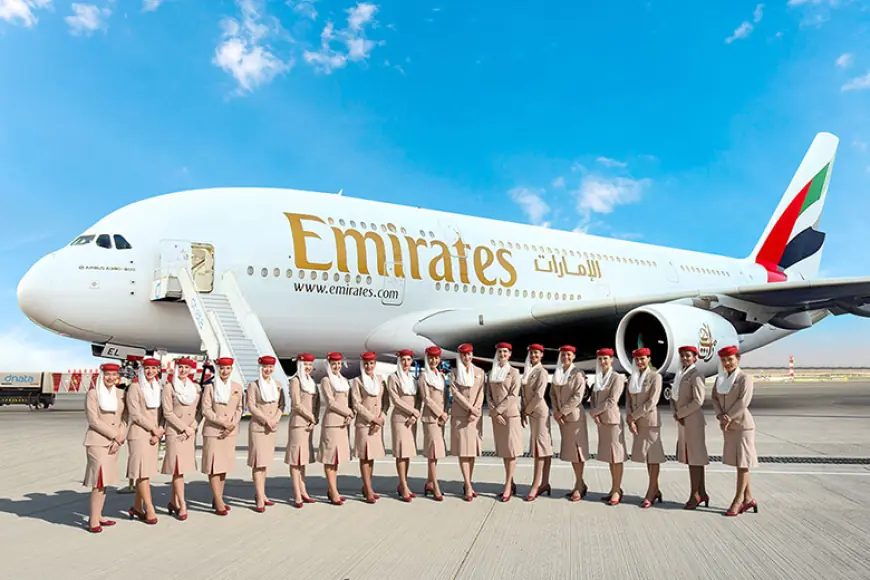

Emirates is increasing capacity on its Dubai–Manila corridor by introducing four additional weekly flights, reflecting sustained demand on one of Southeast Asia’s busiest long-haul leisure and VFR (visiting friends and relatives) markets.
The additional frequencies will take effect in the 2026 schedule and expand Emirates’ service to the Philippine capital to enhance connectivity for both business and leisure travellers. Operating multiple weekly flights underscores the airline’s confidence in the resilience of transcontinental travel demand and aligns with broader network expansion trends among Gulf carriers targeting Asia-Pacific growth.
Emirates utilises its widebody fleet — typically Airbus A380s and Boeing 777s on high-demand sectors — to match capacity with peak flows between the Middle East and Southeast Asia. Manila has been a focal point for capacity build-out, supported by the substantial Filipino expatriate community in the Gulf Cooperation Council (GCC) region and strong tourism flows driven by both inbound and outbound travel.
The additional four weekly flights will complement existing daily services, offering passengers increased schedule flexibility and smoother connections via Dubai to destinations across Europe, Africa and the Americas. The enhanced frequency is expected to spread demand more evenly throughout the week, improve aircraft utilisation, and strengthen Emirates’ position against regional competitors on the route.
From an operational perspective, adding frequencies requires meticulous coordination with airport authorities in Manila and slot scheduling at both Ninoy Aquino International Airport (MNL) and Emirates’ home hub in Dubai. Ground handling, passenger services and crew rotations are also scaled to support the expanded timetable, reflecting integrated planning across both ends of the network.
Airline network planners increasingly focus on high-yield markets such as Manila where demographic links, diaspora travel and tourism dynamics converge. The additional flights may also bolster Emirates’ cargo lift capacity, an ancillary revenue stream that carriers factor into fleet deployment decisions on long-haul services.
For passengers, the expanded schedule means more choice when planning travel, whether for leisure, business, or to reconnect with family. Increased frequency can reduce wait times between connections and offers loyalty programme members additional options for earning and redeeming miles.
The Philippines has seen resilient aviation demand as international travel rebounds post-pandemic, with tourism boards and carriers alike reporting robust booking figures on routes to and from key Asia-Pacific gateways. Enhanced service levels from global hubs like Dubai further integrate the Philippines into broader global networks.
Emirates’ move also reflects competitive dynamics in the Middle East–Asia market, where airlines vie for share on high-capacity corridors. Increased frequencies help maintain relevance in slot-constrained markets and signal strategic commitment to city pairs that exhibit strong yield and strategic importance.
The expanded Dubai–Manila service dovetails with Emirates’ wider network strategy to optimise long-haul operations, calibrate capacity to evolving demand patterns, and support balanced global coverage across its schedule portfolio. As carriers continue to adjust networks for 2026, frequency enhancements on key routes like Manila serve as bellwethers of anticipated traffic growth and airline confidence in cross-regional travel demand.