EVA Air Suspends Pilot After Punching First Officer at LAX
EVA Air has suspended a captain after he allegedly punched his first officer during taxi at LAX; airline and Taiwan regulator launch safety probes.
 Jishan Khan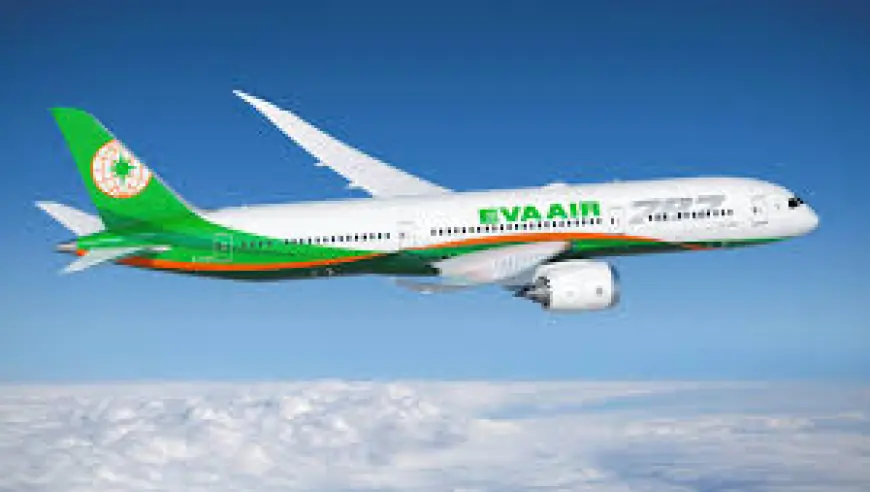

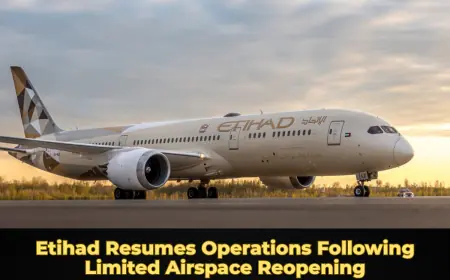
Taiwan-based carrier EVA Air has removed and suspended a captain from flight duty and launched an internal investigation after an alleged physical altercation with a first officer during taxi operations at Los Angeles International Airport (LAX) earlier this month, underscoring serious concerns about cockpit discipline and crew resource management.
According to local reports, the incident occurred on an EVA Air Boeing 777-300ER preparing for a scheduled long-haul flight from LAX to Taipei. The flight’s Malaysian first officer is said to have raised safety concerns with the Taiwanese captain over taxi speed relative to standard taxi-way limits. After repeated verbal warnings failed to prompt corrective action, the first officer reportedly applied the brakes manually — a response he believed aligned with standard operating procedures for addressing perceived safety issues on the ground. :contentReference[oaicite:0]{index=0}
The situation deteriorated when the captain allegedly responded by striking the first officer with multiple punches, resulting in swelling and bruising to the first officer’s hand, according to accounts from sources close to the investigation. EVA Air promptly suspended the captain pending the outcome of its review. :contentReference[oaicite:1]{index=1}
EVA Air has stated publicly that it is cooperating fully with regulatory oversight and is gathering facts, including data from the aircraft’s quick access recorder (QAR), which the airline says indicates that the taxiing parameters were within operational limits at the time. The carrier has also submitted relevant records to Taiwan’s Civil Aviation Administration (CAA) as part of a parallel probe. :contentReference[oaicite:2]{index=2}
The civil aviation regulator in Taiwan, which oversees safety compliance for the state’s carriers, has confirmed it is examining the matter and may impose penalties if investigators determine that crew actions compromised flight or ground safety. Aviation regulators typically evaluate whether crew conduct violated established procedures or safety protocols, which encompass strict expectations for professional conduct and mutual respect among flight deck personnel. :contentReference[oaicite:3]{index=3}
Industry safety experts note that incidents of physical conflict within a cockpit are extraordinarily rare but carry outsized implications for fleet operations and public confidence. Crew resource management (CRM) principles — embedded in pilot training worldwide — are designed to ensure that crew members can raise concerns and resolve disagreements through structured communication and escalation protocols rather than confrontational behaviour.
EVA Air’s fleet includes Boeing 777-300ER aircraft deployed on transpacific sectors, where effective coordination between cockpit crew and cabin operations is critical for safe launch and recovery phases of flight. Airlines typically rely on robust CRM practices to manage human factors alongside mechanical systems and regulatory compliance. :contentReference[oaicite:4]{index=4}
The airline has indicated it will refer the suspended pilot to its internal disciplinary review board once its investigation is complete. Beyond internal actions, regulatory consequences could extend to mandatory retraining, revocation of licences, or administrative sanctions under civil aviation safety codes if procedural breaches are substantiated.
For passengers and aviation stakeholders, the LAX cockpit incident serves as a reminder of the importance of professional conduct and strict adherence to safety protocols. Regulators globally view any crew altercation as a significant safety risk that merits thorough investigation and corrective action, given that the captain holds ultimate responsibility for flight operations both on the ground and in the air. :contentReference[oaicite:5]{index=5}