French Court Lifts Seizure of Tunisair Jet but Retains Engines
A French court has lifted the seizure of a Tunisair jet while retaining the aircraft’s engines, reflecting legal complexities in airline asset disputes.
 Jishan Khan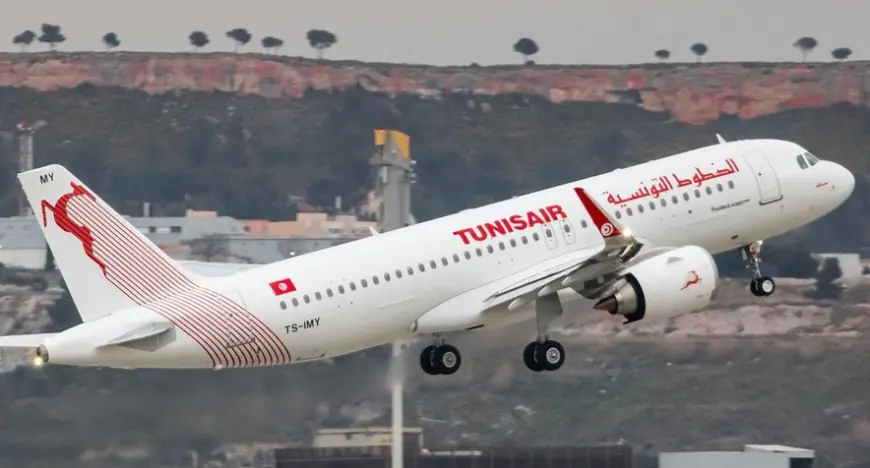
A French court has lifted the seizure of a Tunisair aircraft, returning the jet to the Tunisian national carrier’s control while ordering that its engines remain detained, underscoring the legal complexities surrounding airline asset disputes and cross-border enforcement actions.
The case arose earlier when creditors or litigation claimants sought to secure assets associated with Tunisair amid unresolved financial or contractual obligations. Such seizures typically occur when a court determines that there is a credible claim against a debtor’s assets, and an interim seizure is ordered to preserve value pending resolution. In this instance, a French judicial authority had issued orders restraining the use of a Tunisair jet as part of enforcement measures tied to a disputed claim.
In recent proceedings, the court reviewed the underlying circumstances and determined that the conditions for maintaining a full seizure of the aircraft were no longer justified, leading to the lift of the restraining order on the airframe itself. However, in a split judgment or separate directive, the court opted to keep the aircraft’s engines under constraint, potentially as security for creditor claims or until certain legal thresholds are met. This outcome highlights how judicial mechanisms can carve out asset components differently based on legal, contractual and valuation considerations.
For Tunisair, the lifting of the seizure on the jet represents a partial operational reprieve, as the carrier can now redeploy the aircraft for revenue service or reposition it within its network, subject to regulatory and technical compliance. Aircraft are core revenue-generating assets for airlines, and the ability to put an airframe back into use can materially affect network planning, capacity deployment and financial performance. However, the retention of the engines poses a significant constraint, as engines are essential for flight operations and cannot be separated from service without grounding the aircraft.
Airline fleet management professionals understand that engines are among the most valuable and regulated components of an aircraft. They account for a large share of an aircraft’s total value and are subject to separate lease, maintenance and financing arrangements. Courts sometimes detach engines from the airframe in seizure actions when engines are separately financed, leased, or when distinct creditor rights attach to them. This can complicate operational planning because securing replacements or negotiating with creditors over engine release terms can impose additional costs and delays.
The court’s decision reflects the layered nature of aviation asset ownership, where different stakeholders — including lenders, lessors, maintenance reserve holders and national carriers — may have competing claims. In cross-border contexts, sovereign and private parties often navigate divergent legal frameworks, with local courts interpreting how international contracts, mortgages and security interests apply under domestic law.
From a legal strategy perspective, Tunisair and its advisers will now likely focus on negotiating the release of the engines or settling the underlying claims that led to their retention. This may involve posting security, pursuing settlement discussions or demonstrating that creditor rights can be satisfied through alternative mechanisms. How quickly the engines are released will influence the timeline for fully returning the aircraft to service and mitigating operational disruptions tied to the dispute.
Industry analysts note that such asset disputes can emerge when carriers face financial strain, contractual disagreements with suppliers or lenders, or complications tied to lease agreements. Airlines operating in emerging markets sometimes encounter heightened legal risk when assets cross jurisdictions for maintenance, staging, or redeployment. Securing clear titles and resolving contingent liabilities early are critical to avoiding protracted legal entanglements.
For Tunisair, the partial victory in court underscores the importance of maintaining access to fleet assets even amid legal challenges. Restoring full operational control over the aircraft will depend on how the airline manages the remaining engine issue and satisfies court expectations. Continued engagement with legal counsel, creditors and regulators will be central to achieving a resolution that avoids further service disruptions.
The case also highlights broader themes in airline finance and legal risk management. As airlines increasingly operate in a globalised environment with cross-border leases, multi‑jurisdictional financing and interconnected creditor claims, the potential for complex legal interactions rises. How courts balance creditor protections with operational realities can have material implications for airline stability, network continuity and long-term strategic planning.
Observers will be watching how Tunisair navigates the next steps, particularly the negotiations over the detained engines and the impact on the carrier’s fleet utilisation. The court’s mixed ruling illustrates that even when partial legal relief is granted, the path back to full operational normalcy can be intricate and protracted when major components of an aircraft remain encumbered.