How Will the New High-Speed Train Routes Between Munich, Milan, and Rome Transform European Travel by 2026?
 Munni Khatun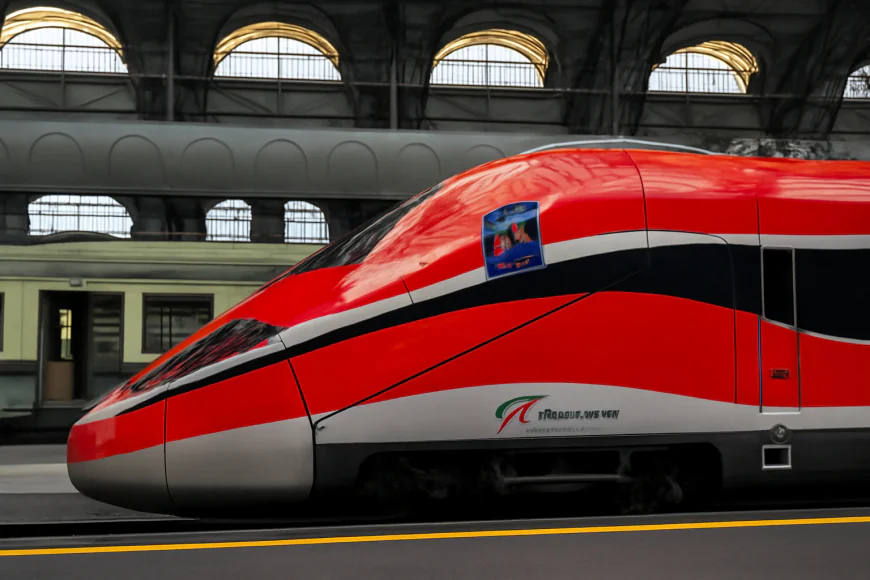


In an exciting development for both business and leisure travelers, Europe’s rail network is set for a massive upgrade. By December 2026, high-speed train will begin running daily between Germany and Italy, ushering in a new era of fast, efficient, and sustainable travel. A collaborative effort between Italy’s Trenitalia, Germany’s Deutsche Bahn (DB), and Austria’s ÖBB, this expansion will revolutionize how passengers traverse these countries, offering swift, scenic connections between major cities like Munich, Milan, and Rome.
The introduction of these high-speed trains is part of a European Commission pilot project aimed at reducing carbon emissions and promoting cross-border travel. With a growing emphasis on sustainable tourism, these rail routes are expected to offer a compelling alternative to short-haul flights. Travelers can now enjoy smooth, comfortable journeys through some of Europe’s most picturesque landscapes without the hassle of airports and long security lines.
The upcoming routes are not just about speed; they are about reshaping how we think about European travel. With the opening of the Brenner Base Tunnel by 2032, rail travel between Germany and Italy will be faster and more efficient, making this new service a game-changer for the region’s transportation infrastructure.
What to Expect from the New High-Speed Trains
Key Features of the New Routes:
- Munich to Milan: A 6.5-hour journey, with stops in Innsbruck, Bolzano, and Verona.
- Munich to Rome: An 8.5-hour ride, with stops in Innsbruck, Bolzano, Verona, Bologna, and Florence.
These direct routes will connect Germany and Italy in a way that has never been done before, allowing passengers to travel between two of Europe’s most iconic countries without the need for transfers. Whether you’re a tourist exploring Italy’s historical sites or a business traveler heading to meetings, these trains offer convenience, comfort, and speed.
Why High-Speed Trains Are the Future of European Travel
- Sustainability: With a focus on reducing carbon emissions, these high-speed trains provide an eco-friendly alternative to short-haul flights, which have a significantly larger carbon footprint. By encouraging more rail travel, Europe is taking another step toward sustainable tourism.
- Comfort and Convenience: Unlike cramped airplane cabins, these trains offer spacious seating, comfortable interiors, and large windows, allowing passengers to relax while enjoying breathtaking views of the Alps and Italian countryside. With Wi-Fi, power outlets, and food service available, these trains cater to both business travelers and tourists.
- Seamless Connections: Gone are the days of long lines at airports and delays caused by security checks. With direct connections between major cities like Munich, Milan, and Rome, passengers can expect quick, efficient travel, without the stress of transfers or unexpected delays.
- Scenic Journeys: Passengers will be able to enjoy the stunning landscapes of the Alps, making these journeys a unique and memorable experience. Traveling by train offers an unmatched view of Europe’s natural beauty, especially when compared to the limited perspectives offered by airplanes.
- Cost-Effective: While high-speed rail might seem like a luxury option, it’s expected to provide a competitive alternative to flights, particularly when considering the added cost of airport transfers, baggage fees, and the overall convenience of taking a train directly to city centers.
What’s Next? Additional Routes and Future Developments
While the Munich-Rome and Munich-Milan routes are set to debut in December 2026, the long-term vision for European rail travel is even more ambitious. By the end of 2028, additional routes connecting Milan to Berlin, and Naples to Berlin, will further enhance the network, making it easier for travelers to journey between Northern and Southern Europe.
Looking Ahead: The Brenner Base Tunnel
A pivotal piece in the puzzle is the Brenner Base Tunnel, scheduled for completion by 2032. This high-capacity railway tunnel through the Eastern Alps will cut about one hour off current travel times between Germany and Italy, further enhancing the speed and efficiency of the high-speed rail network.
Once the tunnel is operational, it will create a direct north-south rail corridor, improving connectivity between several key European cities. This will make train travel between countries more accessible and appealing, allowing passengers to travel from Munich to Milan, Rome to Berlin, and beyond, faster than ever before.
The Impact of High-Speed Trains on European Tourism
These new rail routes are more than just a convenience for travelers; they’re a major boost for European tourism. The ability to quickly and easily travel between two of Europe’s most popular destinations—Germany and Italy—will open up new opportunities for tourism and cultural exchange.
For tourists, this means access to multiple cities in one trip without the added stress of navigating airports. A family vacation in Rome can easily be combined with a scenic trip through the Alps and a stop in Milan for shopping. Business travelers can now move between meetings in Munich, Milan, and Rome in one day, saving time and increasing productivity.
For cities, the expansion of high-speed rail is expected to increase the flow of visitors, helping to boost local economies. With fewer tourists relying on flights, cities will experience a more sustainable flow of visitors, easing pressure on airports and reducing overcrowding at popular attractions.
The Bigger Picture: A European Rail Renaissance
This initiative is part of a broader movement to reinvigorate Europe’s rail network. As more travelers seek sustainable, comfortable, and efficient ways to explore the continent, high-speed trains are becoming a preferred option. The European Union’s goal of creating a unified, seamless rail system is slowly coming to fruition, with this new agreement between Trenitalia, Deutsche Bahn, and ÖBB serving as a key milestone.
As we look to the future, the integration of high-speed trains into Europe’s transportation landscape could have far-reaching effects, transforming the way we think about travel. With high-speed rail gaining momentum, travelers can expect even more ambitious projects that will connect the far corners of Europe, making it easier to explore the continent by train.
Final Thoughts: Is the High-Speed Train Right for You?
If you’re planning a trip between Germany and Italy, these high-speed trains are an option worth considering. Offering a faster, more sustainable, and comfortable travel experience, they provide a unique opportunity to see more of Europe while reducing your carbon footprint.
With the launch of these new services in 2026, and the expansion of the network in the following years, rail travel in Europe is entering an exciting new phase. Whether you’re heading to a meeting in Milan or embarking on a vacation to Rome, high-speed trains are setting the stage for a future where traveling by rail is just as fast, easy, and enjoyable as flying—without the stress of airports and security checks.
By embracing this new era of high-speed rail, travelers can look forward to a more connected, sustainable, and enjoyable European travel experience in the years to come.
The post How Will the New High-Speed Train Routes Between Munich, Milan, and Rome Transform European Travel by 2026? appeared first on Travel And Tour World.