Indian Carriers Reroute After Iran Airspace Closure Compounds Pakistan Ban
Air India and IndiGo reroute flights as Iran temporarily closed its airspace, adding to operational challenges already posed by Pakistan’s ban and raising costs.
 Jishan Khan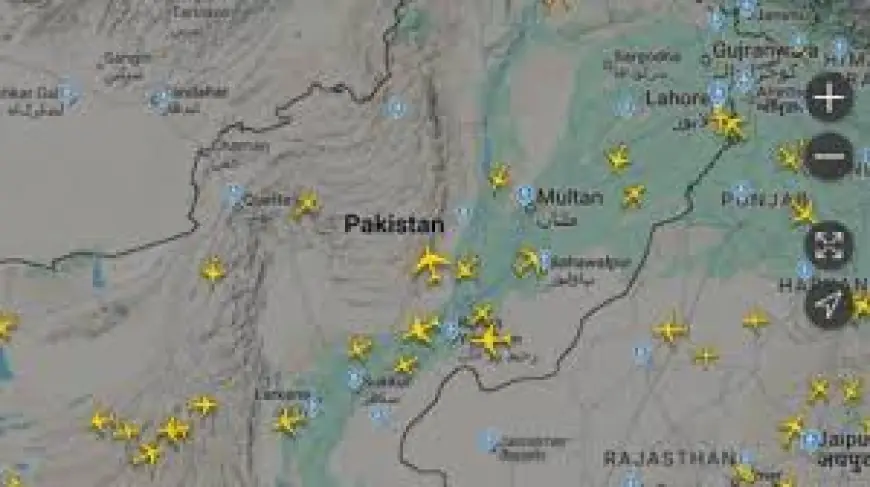

Indian carriers Air India and IndiGo are adjusting international flight paths to avoid Iranian airspace after a temporary closure exacerbated existing operational challenges related to Pakistan’s ongoing ban on Indian aircraft, industry sources and flight tracking data show.
Iran’s civil aviation authorities closed and then briefly reopened their airspace amid heightened geopolitical tensions and concerns about potential military action, prompting airlines to reroute flights at cruise altitude to safeguard operations. This includes flights over Afghanistan and peripheral airspace along Iran’s eastern border near Iraq to mitigate risk and maintain connectivity to the US, Europe, Central Asia and the Caucasus. :contentReference[oaicite:0]{index=0}
Flights that normally traverse central Iranian airspace on transcontinental sectors were affected, leading some carriers to cancel services and others to accept longer routes that increase flight duration and fuel burn. Air India temporarily cancelled certain flights to the US, while IndiGo scrapped international rotations such as its Baku service as part of operational recalibration in response to the closure. :contentReference[oaicite:1]{index=1}
Pakistan has barred Indian aircraft from its airspace since April 2025, following heightened bilateral tensions over security incidents, forcing carriers to fly lengthier detours around South Asia. The combination of both Islamic Republic airspace interruptions and Pakistan’s ban complicates routing options on major long-haul corridors and adds to fuel and crew costs for Indian operators. :contentReference[oaicite:2]{index=2}
Industry analysts characterise these airspace restrictions as a strategic challenge for airlines operating long-haul networks, particularly those dependent on efficient great-circle routes linking the Indian subcontinent with Western and Central Asian markets. Extended flight paths over Afghanistan and adjacent zones shift economic calculations by increasing operating expenses and constraining schedule reliability. :contentReference[oaicite:3]{index=3}
Air India issued a passenger advisory indicating that flights previously planned to overfly Iranian territory are now using alternative routings that may result in delays, and that services for which rerouting was not feasible have been cancelled. The airline emphasised passenger safety as its guiding priority in making operational adjustments. :contentReference[oaicite:4]{index=4}
IndiGo similarly acknowledged impacts on its international services and said its teams are working to assess schedules and support travellers with rebooking and alternatives. The carrier is believed to be considering technical fuel stops in hubs such as Doha for certain markets as a way to offset the range limitations imposed by reroutes. :contentReference[oaicite:5]{index=5}
Aviation consultancy voices warn that persistent airspace closures could undermine the viability of certain long-haul and ultra-long-haul connections, especially when combined with existing bans, requiring carriers to revisit network planning, aircraft utilisation and cost mitigation strategies. Such geopolitical constraints underscore the operational flexibility required to sustain global aviation services long term. :contentReference[oaicite:6]{index=6}