IndiGo Q3 Earnings Preview: Disruptions Seen Pressuring Results
IndiGo’s December 2025 flight disruptions are expected to weigh on Q3 earnings, with higher costs and customer compensation set to influence performance.
 Jishan Khan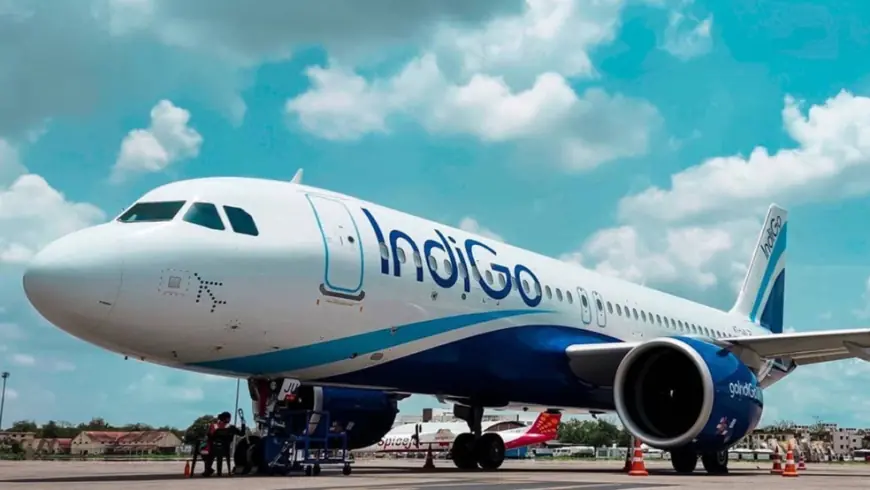

IndiGo’s upcoming third-quarter financial results for the period ending December 2025 are expected to reflect the operational turbulence the airline experienced late in the calendar year, as widespread flight delays and cancellations linked to crewing and rostering challenges weighed on revenues and costs.
Scheduled earnings disclosures from the country’s largest domestic carrier will be closely watched by industry analysts and investors alike, with the December flight disruption episode likely to manifest as both higher operating expenses and soft revenue recognition in key schedule performance metrics. Late-year delays and cancellations triggered regulatory scrutiny by the Directorate General of Civil Aviation (DGCA) and led to mandated refunds, meals and accommodation entitlements for affected passengers — all of which carried cost implications for IndiGo during the quarter.
Notably, IndiGo was fined ₹22.2 crore by the DGCA in January 2026 for rostering and flight duty-time violations, adding a non-operational expense at a time when carriers are generally seeking to streamline costs and protect margins. The regulator found that duty-time breaches and weak schedule planning contributed materially to passenger inconvenience across the domestic network, where IndiGo runs close to 2,000 daily flights with its Airbus A320 family fleet.
Operational performance metrics — such as on-time departure rates, cancellation counts and passenger complaints — serve as leading indicators of financial health, impacting ancillary revenues tied to customer loyalty and brand perception. Disruptions also translate into increased ground costs, crew overtime and re-accommodation charges, which historically pressure unit cost metrics in quarterly reporting.
With the revenue environment still shaped by competitive pricing pressure across India’s crowded domestic market, carriers such as IndiGo rely on high aircraft utilisation and tight cost control to preserve yield. The airline’s response to regulatory mandates, including refundable ticket credits and compliance with passenger rights norms, is expected to appear in the airline’s passenger service expense line in the financial statements.
Financial analysts expect the earnings report to highlight weaker yield performance in December markets, particularly on short-haul sectors that form the backbone of IndiGo’s network. Contracting demand elasticity during periods of poor operational reliability can dampen fare realisations as carriers seek to protect market share with promotions or compensatory goodwill measures.
IndiGo has publicly stated that it has strengthened pilot staffing and revised crew rostering frameworks to prevent recurrence of flight disruptions, and communicated to the DGCA that it expects operations to stabilise after a February 10 compliance deadline tied to regulatory duty-time norms. The efficacy of these operational adjustments — along with cost-control discipline — will be scrutinised by investors as they assess whether margin recovery is visible in the forward guidance for fiscal periods beyond Q3.
In addition to short-term operating impacts, the company’s investor release is anticipated to discuss capital deployment plans, fleet acquisition progress and liquidity position, all set against the backdrop of India’s robust passenger growth but tightening cost environment. Notably, the airline continues to take delivery of new Airbus A320neo family aircraft, which should, over time, enhance unit cost economics but offer limited immediate relief from disruption-linked expenses.
Comparative performance with domestic peers, including Vistara and Akasa Air, will provide context for how IndiGo navigated what has been a turbulent period for India’s airline sector. Each carrier’s ability to manage crew resources, schedule integrity and regulatory compliance is increasingly central to operational resilience and financial outcomes.
Market participants will also monitor commentary on ancillary revenue streams such as loyalty programme performance, baggage and seat selection fees, which can offer insight into demand quality and customer confidence trends. A softer operational quarter can dampen ancillary uptake, particularly if passengers choose alternative carriers in the wake of negative disruption experiences.
The quarter’s earnings call — typically accompanied by management commentary on operational performance, cost drivers and forward-looking expectations — will provide further clarity on how IndiGo intends to translate short-term operational fixes into sustainable performance improvements, and whether the airline can reclaim stronger margins as network reliability normalises.