Indonesia Takes Swift and Decisive Action to Strengthen Covid-19 Surveillance and Health Protocols as Omicron JN.1 Subvariant Drives Surge Across Asia: New Update
 Munni Khatun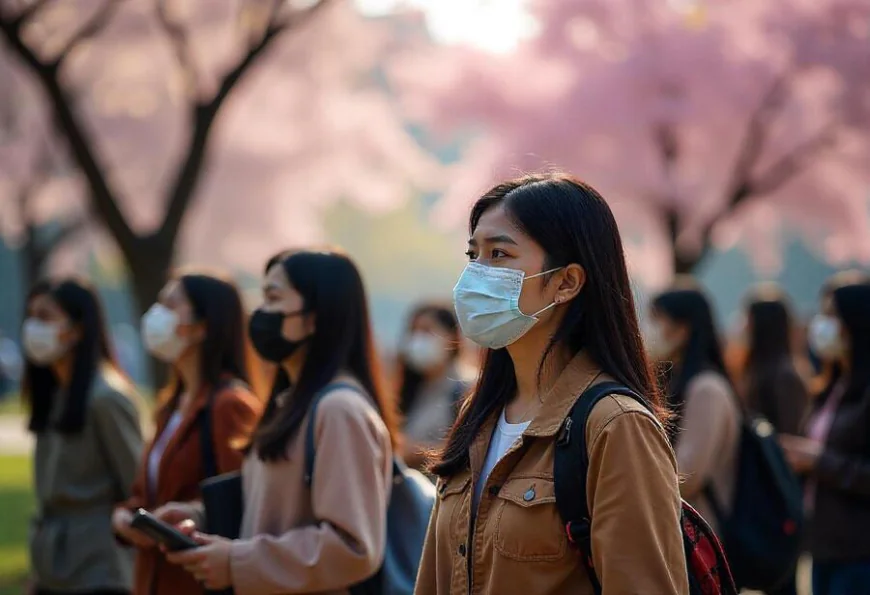


In response to a surge in Covid-19 cases linked to a new Omicron subvariant, Indonesia’s Health Ministry has ramped up efforts to monitor and manage the virus. The government has issued updated health guidelines aimed at strengthening vigilance within the healthcare sector as the variant, more transmissible yet less severe, spreads across neighboring countries in Asia.
Several Asian nations, including Thailand, Hong Kong, Singapore, and Malaysia, have reported significant increases in Covid-19 infections due to the Omicron subvariant JN.1. While this subvariant is known for its high transmission rate, health experts have pointed out that its impact appears to be less severe compared to earlier strains. In light of this, the Health Ministry has moved quickly to ensure Indonesia remains prepared to respond to any potential rise in cases.
The Health Minister recently addressed the situation with government officials, acknowledging the increase in cases but reassuring the public that these were caused by variants that pose lower health risks. While the number of infections is rising, the severity of the cases remains manageable, and the Health Minister’s statements were aimed at reducing panic while emphasizing the need for caution.
To mitigate further spread, the Health Ministry has issued a circular to healthcare facilities across the country, urging hospitals, community health centers, and other medical institutions to enhance their surveillance efforts. Healthcare facilities are instructed to monitor trends in Covid-19 cases, report unusual developments, and take steps to educate the public about the importance of continued vigilance.
As of June 3, Indonesia reported seven new Covid-19 cases in the last week. Despite the uptick in infections, the country’s Covid-19 positivity rate dropped from 3.62% to 2.05%, indicating that the situation remains under control. This data suggests that while case numbers have increased, the overall spread of the virus is being kept in check, and authorities are continuing to closely monitor the developments.
Epidemiologists emphasize that the public should take the Health Ministry’s warning seriously. Experts note that while vaccination efforts have significantly reduced the virus’s impact, the importance of remaining cautious cannot be overstated. “This is a prudent step in raising awareness and preparing the population,” said one expert, who highlighted the importance of continuing to follow preventive measures.
Experts also reiterated that maintaining habits such as wearing masks, washing hands, maintaining social distancing, and ensuring good air circulation in indoor spaces will be crucial in controlling the spread of the virus. These preventive measures, which have become second nature to many Indonesians during the pandemic, should remain in place despite the current strain’s reduced severity.
Given the presence of large elderly populations in several regions, health experts suggest that the government intensify its focus on these areas, as older adults are more vulnerable to severe illness. Monitoring and targeted health interventions in these regions will be key to protecting the most at-risk groups from potential complications.
Concerns have also been raised regarding Indonesia’s ability to detect the JN.1 subvariant in real-time, particularly at points of entry like airports and ports. “It is challenging to identify cases at entry points,” noted one health expert. They recommended that the government focus on travelers arriving from countries where the Omicron subvariant is already widespread. Random rapid testing at entry points could help identify and contain potential cases early on.
Thailand’s recent experience with a surge in Covid-19 cases offers important lessons for Indonesia. Thailand reported over 65,000 cases and three deaths in the final week of May. However, Thai authorities have indicated that the situation is improving and that the outbreak has likely passed its peak. Thailand’s experience provides a roadmap for how Indonesia can manage its own Covid-19 challenges, utilizing similar strategies to stabilize the situation.
Indonesia’s Health Ministry is closely monitoring trends in neighboring countries, learning from their approaches and adapting them to the local context. Although the Health Ministry remains confident in Indonesia’s ability to handle a potential surge, the government is keenly aware of the need for ongoing public education and readiness.
As Indonesia continues to confront the evolving Covid-19 pandemic, the government is committed to strengthening its response. The Health Ministry’s approach focuses on early detection, continuous surveillance, and widespread public awareness campaigns to ensure the country remains prepared for future challenges. The public is encouraged to stay informed, adhere to health guidelines, and take all necessary precautions to help prevent the spread of Covid-19.
The post Indonesia Takes Swift and Decisive Action to Strengthen Covid-19 Surveillance and Health Protocols as Omicron JN.1 Subvariant Drives Surge Across Asia: New Update appeared first on Travel And Tour World.