Lake Tahoe: National Forest Facilities Close for Winter
Lake Tahoe national forest facilities are closing for winter. Learn what’s open, safety tips, and how to plan a safe visit.
 Munni Khatun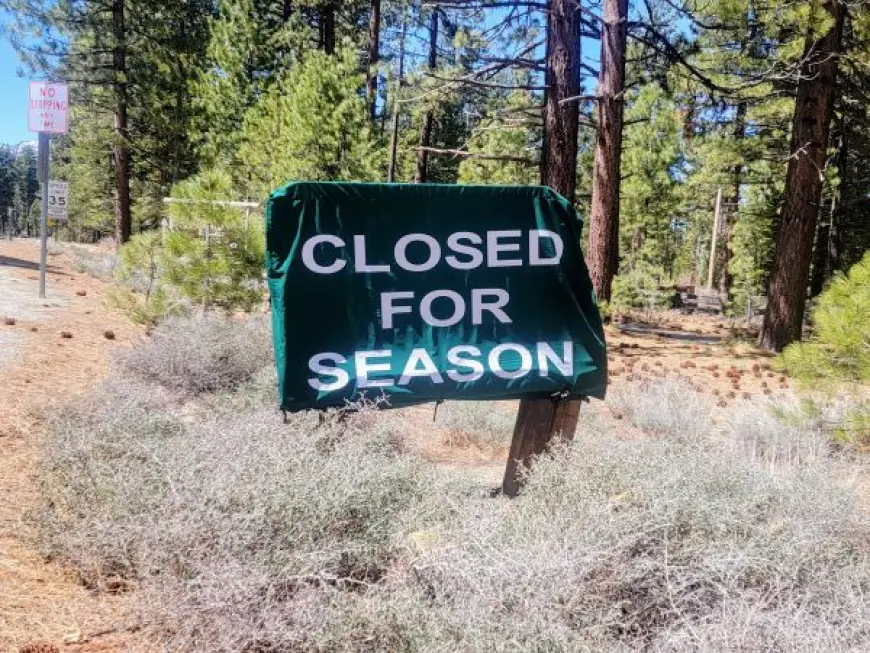

The U.S. Forest Service has begun seasonal closures of many national forest facilities around Lake Tahoe as winter weather arrives. Beginning in late September, campground services, restrooms, parking gates and other visitor facilities are being winterized and locked. The forest lands themselves remain open where conditions allow, but visitors should plan for limited services and tougher access this season.
What’s closing and why
Each autumn the Lake Tahoe Basin Management Unit and partnering agencies close or winterize park buildings and services to protect infrastructure and public safety. Restrooms are emptied and shut to avoid frozen pipes, picnic areas are winterized, and some parking areas and vehicle gates are locked to reduce maintenance risks once heavy snow arrives. These steps help protect public property and keep staff safer when road and trail access becomes hazardous.
What remains open
Although many facilities are closed for the season, trails, beaches and public forest lands around Lake Tahoe are generally still accessible to visitors. Hikers, snowshoers and backcountry users can still enjoy the outdoors — but they should expect reduced or no services at trailheads and staging areas. In short: the land is open, but the conveniences are not.
Practical advice for visitors
Pack for self-sufficiency. Bring water, snacks, warm clothing, and a way to pack out your trash. Many trash and restroom services stop during closures.
Check road rules. Winter driving restrictions and chain controls may be in effect on highways and forest roads. Know the rules before you drive.
Expect limited parking. Gates and locked parking areas may force you to park farther away and walk in. Plan extra time.
Plan restroom breaks. Public toilets are often closed. Hand sanitizer and small trowels for burying human waste where permitted are good to have.
Monitor conditions. Weather and snowpack can change quickly. Check official Forest Service and local park updates before you travel.
Safe winter activities
Even with facilities closed, Lake Tahoe is a beautiful winter destination. Visitors can enjoy snowshoeing, cross-country skiing, winter photography, and quiet shoreline walks where conditions permit. For staffed programs like guided walks or visitor centers, check current schedules — many interpretive services reduce hours or pause for winter.
Who to contact for updates
For the most accurate and up-to-date information, check the Lake Tahoe Basin Management Unit (U.S. Forest Service) website and local park pages before visiting. Local visitor centers and county park websites also post site-specific closure details, gate schedules and safety notices.
Quick takeaway
If you’re planning a trip to Lake Tahoe this winter, treat it like a backcountry visit in many areas: bring supplies, expect minimal services, follow leave-no-trace rules, and check official updates before you go. With the right preparation, winter at Lake Tahoe can be peaceful, beautiful and safe.