RollsKing Targets Rs 100 Crore Revenue by Year-End Amid Aggressive Expansion Plans
Quick-service brand RollsKing aims to achieve Rs 100 crore revenue by the end of the year, driven by strategic expansion, strong unit economics, and growing demand for affordable QSR formats.
 Prajakta Sanjay Warwadkar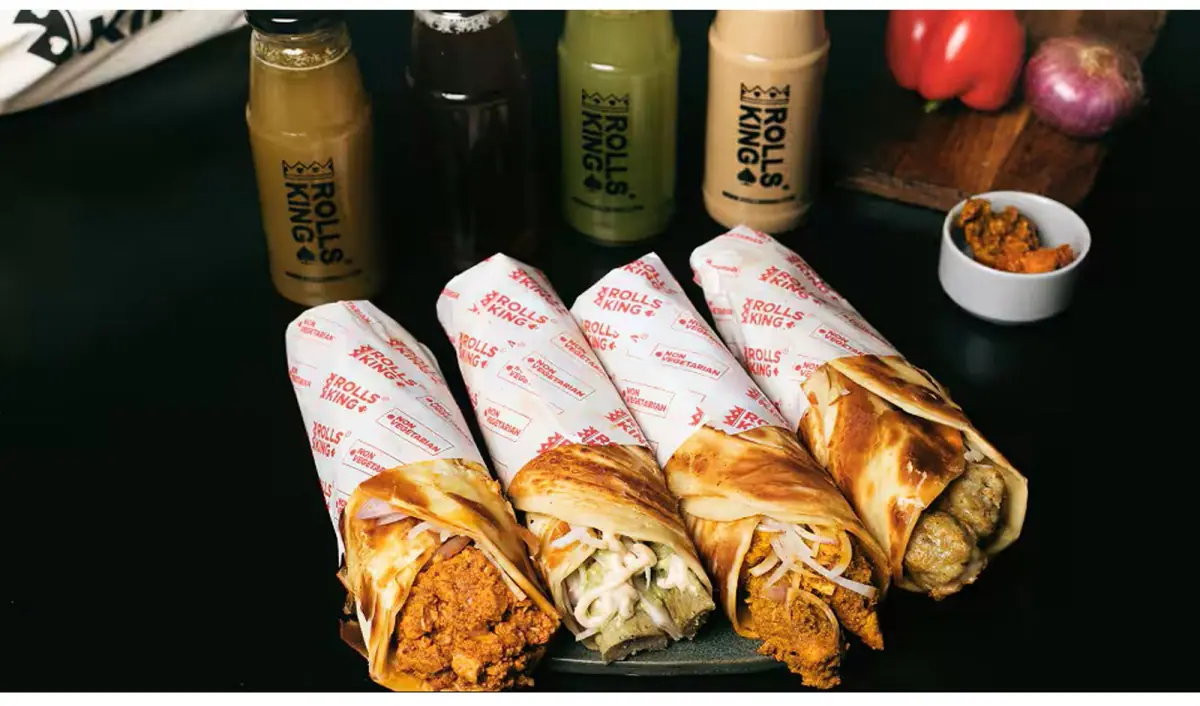

RollsKing Sets Sights on Rs 100 Crore Milestone
India’s homegrown quick-service restaurant (QSR) brand RollsKing has announced its ambitious plan to achieve Rs 100 crore in revenue by the end of the year, marking a significant growth milestone for the popular rolls-focused chain.
Known for its affordable pricing and strong presence in high-footfall urban markets, the brand is doubling down on expansion and operational efficiency to fuel its next growth phase.
Growth Backed by Strategic Expansion
RollsKing’s growth strategy is centered around:
-
Expanding into new cities and high-density locations
-
Strengthening its franchise network
-
Optimising store formats for better unit economics
-
Leveraging delivery platforms for higher off-premise sales
The brand’s scalable business model and focus on compact outlets allow it to grow quickly while maintaining profitability.
Riding the QSR Wave in India
India’s QSR segment continues to witness strong demand, driven by:
-
Young urban consumers
-
Rising disposable incomes
-
Demand for affordable and convenient meals
-
Increased reliance on food delivery apps
Rolls and wraps, in particular, remain a popular grab-and-go option, making RollsKing well-positioned within the fast-growing segment.
Focus on Unit Economics and Brand Strength
Rather than expanding blindly, RollsKing appears focused on sustainable growth. By improving operational processes and maintaining cost efficiency, the brand aims to balance rapid scale with consistent quality.
Its strong brand recall in the rolls category gives it a competitive advantage in a crowded QSR market.
What This Means for the Hospitality Industry
RollsKing’s Rs 100 crore revenue target highlights the continued momentum within India’s organized QSR space. It also signals growing investor and entrepreneur confidence in scalable, regional food brands.
As competition intensifies, brands that combine affordability, consistency, and smart expansion strategies are likely to emerge as long-term winners.