Russia Reactivates Stored Boeing 747 Freighters and Passenger Jets
Unable to access new Western aircraft, Russian carriers are returning stored Boeing 747s to service to cover capacity gaps amid sanctions and supply constraints.
 Jishan Khan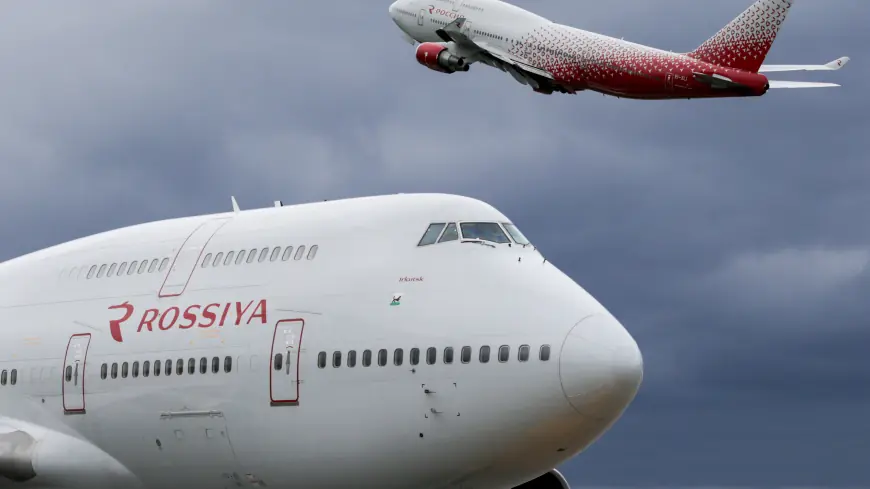

Russian carriers have begun reactivating stored Boeing 747 jumbo jets and other sidelined Boeing aircraft as the country’s aviation sector grapples with restricted access to new Western-built airplanes under ongoing sanctions and export controls.
Sources tracking global aircraft movements indicate that operators in the Russian Federation have taken giant Boeing 747-400 airframes out of long-term storage and are returning them to operational status after extended ground time. These reactivations reflect a pragmatic response to fleet attrition and the difficulty Russian airlines face in acquiring new equipment from Airbus, Boeing and other Western original equipment manufacturers amid geopolitical and regulatory barriers. :contentReference[oaicite:0]{index=0}
The Boeing 747-400, an older generation widebody with four engines and significant cargo capacity, had largely disappeared from most major global passenger fleets due to high operating costs. In Russia, however, stored 747s — once part of Aeroflot-group operations and other flag carriers — have been recommissioned as part of broader efforts to strengthen domestic capacity and sustain international trunk services where possible. :contentReference[oaicite:1]{index=1}
Reactivating stored aircraft is no simple task. Airframes that have been parked for years require extensive maintenance checks, systems preservation work and component testing before they can re-enter service in compliance with regulatory and safety standards. Engineering teams must assess corrosion, engine health, avionics and structural integrity, all while navigating supply challenges in a sanctions-affected maintenance ecosystem where spare parts and certified support may be limited. :contentReference[oaicite:2]{index=2}
For Russian operators, resurrecting dormant widebodies like the Boeing 747s helps bridge gaps created by grounding and the inability to fulfil normal fleet renewal pathways. Without access to new aircraft deliveries from Western OEMs, some carriers are prioritising the return to service of mothballed airframes and cannibalising spare parts from others to keep the fleet moving. :contentReference[oaicite:3]{index=3}
Industry observers note that while the reactivation of 747-400s adds headline-grabbing capacity, the economics of flying older four-engine jets remain challenging due to fuel burn and maintenance intensity relative to more modern twin-engine aircraft. Nevertheless, in a constrained environment where new-build supply is effectively cut off by export restrictions, carriers may view stored assets as the most feasible path to meet demand on key routes. :contentReference[oaicite:4]{index=4}
The move also underscores broader shifts in Russia’s post-sanctions aviation landscape, where airlines increasingly rely on internal resource optimisation and non-Western fleets. Operators have already re-registered hundreds of Boeing aircraft under Russian jurisdiction rather than returning them to foreign lessors, and the continued use of stored jets reflects a long-term adaptation strategy. :contentReference[oaicite:5]{index=5}
Detailed scheduling data from recent movements show that some 747 aircraft have been sighted in active service on both freight-oriented sectors and select passenger operations, although overall frequency remains far below Western carrier norms. Aviation analysts suggest that these reactivations may be tactical, covering peak seasonal demand or specific charter and cargo missions rather than signalling large-scale deployment across a national network. :contentReference[oaicite:6]{index=6}
Regulatory oversight and civil aviation authorities within Russia are expected to continue monitoring the reactivated fleet to ensure compliance with safety directives. Meanwhile, broader industry players will observe how these reactivation efforts influence capacity, competition and network planning for Russian carriers adapting to a restricted new aircraft procurement environment.