Sudan Airways Resumes Limited Flight Operations After Six‑Month Grounding
Sudan Airways has restarted limited flight operations after grounding its only aircraft for six months for heavy maintenance, even as structural challenges persist.
 Jishan Khan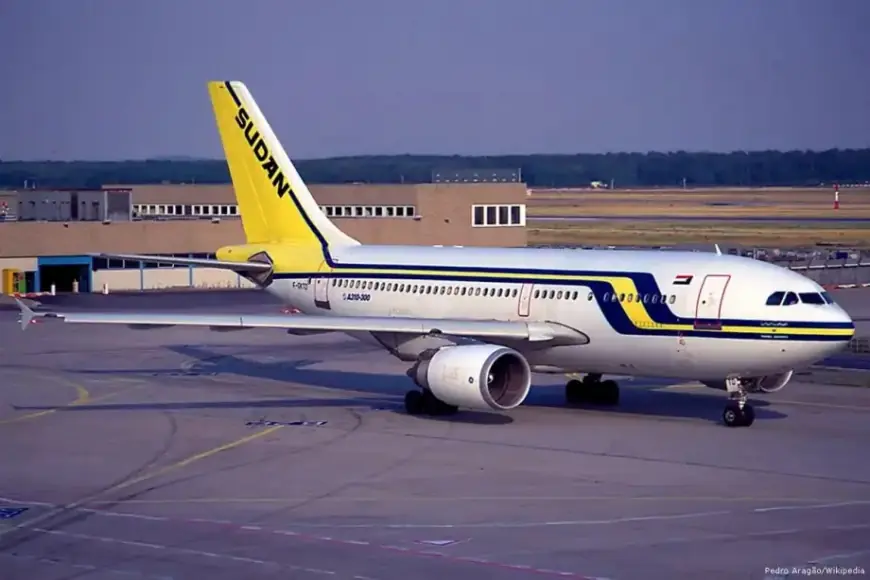

Sudan Airways has resumed limited flight operations this week, restarting services after a six‑month grounding of its only functional aircraft that sidelined the national carrier’s operations and curtailed connectivity for passengers across the region.
The national airline’s sole Airbus A320 returned to service following comprehensive heavy maintenance in India, marking the end of a suspension that began in July 2025 when the aircraft was taken out of operation for extensive repairs and efficiency upgrades. Flights are now scheduled to operate from Port Sudan to key regional destinations, with Cairo, Riyadh and Jeddah among the first international sectors reintroduced.
The phased return to service is part of Sudan Airways’ strategy to stabilise operations amid deep‑seated challenges, including a drastically diminished fleet inventory and ongoing financial and administrative constraints. With one aircraft now operational, the carrier is prioritising core regional links that connect Sudan to important commercial and diaspora markets, while seeking to rebuild passenger confidence after months of grounding.
The A320’s return to scheduled operations has been welcomed by passengers who faced limited options during the hiatus, particularly in the absence of robust alternative carriers covering the same regional links. Tickets for newly restored flights reflect the carrier’s cautious pricing approach as it balances demand stimulation with revenue generation pressures.
Despite the restart, Sudan Airways continues to face structural headwinds. The airline remains on the European Union’s list of carriers banned from operating within EU airspace, limiting potential expansion into higher‑yield international markets and reinforcing the importance of focusing on regional short‑haul services. In addition, the broader aviation infrastructure in Sudan has been impacted by ongoing conflict and economic strain, which have disrupted airport operations and lengthened recovery timelines.
For aviation regulators and regional stakeholders, the resumption also raises questions about long‑term fleet strategy. With only one aircraft currently certified for service, Sudan Airways’ growth trajectory hinges on its ability to secure additional aircraft through lease or purchase agreements, attract strategic partnerships and strengthen maintenance and safety oversight capabilities.
Industry analysts note that the carrier’s restart highlights the resilience of national airlines operating in challenging environments, where technical, financial and geopolitical factors often dictate operational pacing. The six‑month absence from the skies underscored how quickly aviation networks can contract without adequate fleet redundancy, and the restart serves as a reminder of the importance of maintenance planning aligned with network demand.
Passengers and industry observers alike will be watching how Sudan Airways navigates the next phase of its revival, including whether further aircraft will be brought online and how the airline manages competitive pressures with regional rivals. The pace of reconstruction and network expansion will be instrumental in determining Sudan Airways’ ability to sustain its operations and support broader connectivity goals for the country’s aviation sector.