Sustainable Hospitality: How Eco-Friendly Practices Are Reshaping the Industry
Explore how sustainability is reshaping the hospitality industry—from zero-waste kitchens to energy-efficient green hotels. See why eco-conscious guests are leading the change.
 Munni Khatun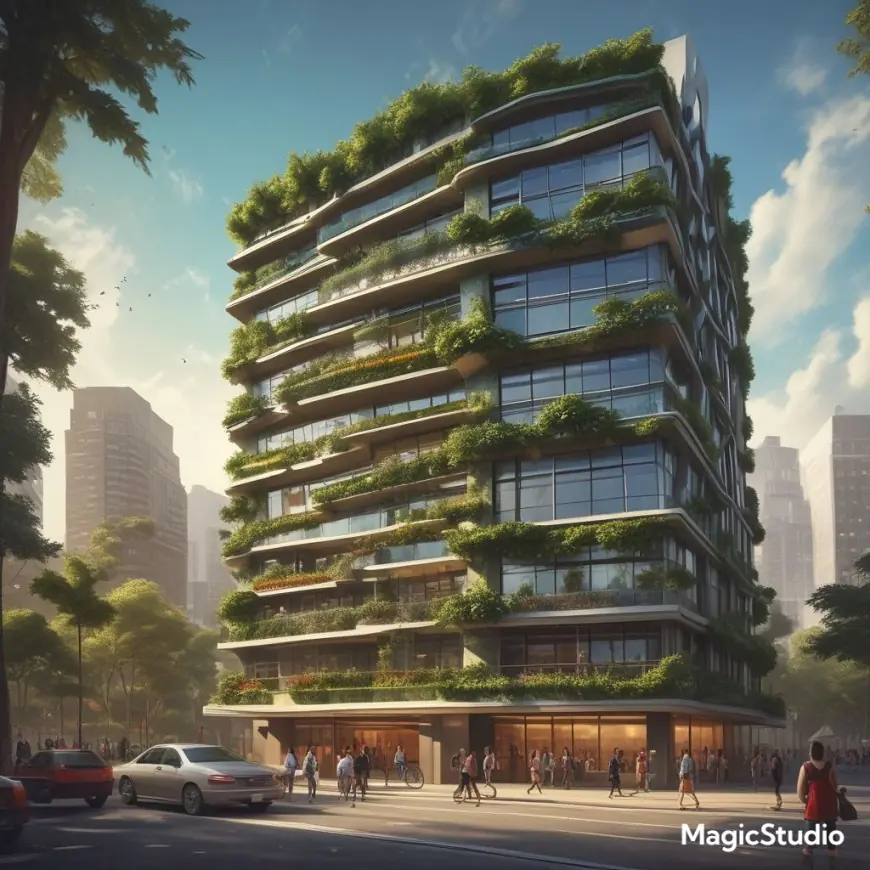

Introduction: The Green Shift in Hospitality
The hospitality industry is in the midst of a fundamental transformation. What once centered solely around luxury and convenience is now increasingly focused on sustainability and environmental impact. From boutique eco-lodges to major hotel chains, businesses are rethinking their operations to meet the demands of a new generation of travelers—guests who prioritize sustainability as much as comfort.
But this isn’t just about environmental goodwill. Sustainability is quickly becoming a core business strategy, driven by climate awareness, shifting consumer values, regulatory pressures, and long-term cost savings.
In this article, we explore how eco-friendly practices like zero-waste kitchens, energy efficiency, and green certifications are reshaping the hospitality industry—and how conscious consumers are leading the charge.
1. Why Sustainability Matters in Hospitality
Environmental Impact of the Industry
Hotels and restaurants have long had a heavy environmental footprint:
-
Massive energy and water consumption
-
High food and material waste
-
Single-use plastics and harmful chemicals
-
Carbon emissions from operations and supply chains
According to the Sustainable Hospitality Alliance, the global hotel industry must reduce carbon emissions per room by 66% by 2030 and 90% by 2050 to stay aligned with the Paris Climate Agreement goals.
Growing Consumer Demand for Green Practices
Modern travelers, especially Millennials and Gen Z, are more eco-conscious than any previous generation. They're willing to:
-
Spend more on sustainable accommodations
-
Choose businesses with green certifications
-
Support local, ethical suppliers
Sustainability is no longer a niche—it’s an expectation. In fact, Booking.com’s Sustainable Travel Report shows that over 70% of global travelers prefer eco-friendly travel options.
2. Green Hotels: Sustainability Beyond the Surface
Energy Efficiency and Renewable Energy
Many hotels are now turning to energy-efficient lighting, appliances, and heating/cooling systems to reduce consumption. Some key features include:
-
LED lighting
-
Motion sensors in rooms and hallways
-
Smart thermostats
-
Insulation upgrades
Some go even further by installing solar panels, wind turbines, or geothermal systems to power their operations. For example, Six Senses Resorts and 1 Hotels use renewable energy sources and have built their entire brand around sustainability.
Water Conservation
Water-saving fixtures are now standard in eco-hotels:
-
Low-flow showerheads and toilets
-
Rainwater harvesting systems
-
Linen and towel reuse programs
Some properties also use greywater recycling systems to reuse water for landscaping and non-potable purposes.
Green Building Materials and Certifications
New hotels are being designed with LEED certification (Leadership in Energy and Environmental Design) in mind. These buildings use:
-
Sustainable or recycled construction materials
-
Non-toxic paints and adhesives
-
Efficient ventilation and insulation systems
Examples of green hotel certifications:
-
LEED (USA)
-
BREEAM (UK/EU)
-
EarthCheck (global)
-
Green Key (global)
3. Zero-Waste Kitchens and Sustainable Dining
Tackling Food Waste
Food waste is one of the most pressing issues in hospitality. Zero-waste kitchens are designed to:
-
Use every part of an ingredient (e.g., vegetable stems in stocks)
-
Repurpose leftovers into new dishes
-
Track waste with AI and smart systems like Winnow or Leanpath
Restaurants like Silo in London and Nolla in Helsinki operate completely waste-free—no plastic, no food waste, and fully compostable packaging.
Sourcing Local and Organic Ingredients
Sustainable restaurants prioritize:
-
Farm-to-table sourcing
-
Organic and seasonal ingredients
-
Locally produced meat and dairy (or plant-based alternatives)
This not only reduces emissions from transport but supports local economies and improves food quality.
Reducing Packaging and Plastic Use
The war on single-use plastics is well underway. Many kitchens now use:
-
Reusable or compostable containers
-
Bulk dispensers for condiments
-
Glass bottles instead of plastic
Some hotels even provide guests with reusable water bottles and filtered water stations instead of selling bottled water.
4. Guest Engagement: Encouraging Sustainable Choices
Incentivizing Green Behavior
Hotels are encouraging guests to participate in sustainability efforts by offering:
-
Discounts for opting out of housekeeping
-
Reward points for reusing towels or using bicycles
-
Digital check-in and paperless billing
These initiatives reduce the hotel’s footprint while helping guests feel like active contributors to the mission.
In-Room Sustainability Features
Eco-conscious guests appreciate when rooms are equipped with:
-
Recycling and compost bins
-
Bulk bathroom dispensers instead of plastic toiletries
-
Bamboo or recycled-paper amenities
Clear signage and digital communication help educate guests on how they can make greener choices during their stay.
5. Technology Driving Sustainability
Smart Hotel Systems
Hotels are investing in smart energy and water management systems that automatically adjust based on occupancy and usage. For example:
-
Lights and HVAC systems shut off when rooms are vacant
-
Water flow is adjusted based on guest behavior
-
Real-time monitoring of resource usage
AI and Predictive Tools
AI and machine learning can optimize everything from:
-
Inventory and food ordering (to reduce waste)
-
Energy consumption during peak and off-peak hours
-
Staff scheduling for operational efficiency
Technology helps hotels operate leaner, greener, and more cost-effectively.
6. The Business Case for Sustainable Hospitality
Long-Term Cost Savings
While some eco-upgrades require upfront investment, they often lead to:
-
Lower utility bills
-
Reduced waste disposal costs
-
More efficient staffing and operations
Sustainability is increasingly seen as an investment, not an expense.
Competitive Advantage and Brand Loyalty
Eco-conscious travelers are loyal to brands that share their values. Hotels and restaurants that prioritize sustainability build stronger emotional connections with guests, resulting in:
-
Higher review scores
-
Increased repeat bookings
-
Word-of-mouth promotion
Being green can differentiate a brand in a highly competitive market.
7. Sustainable Travel and Tourism: A Broader Movement
The rise of sustainable hospitality is part of a larger travel trend. Tourists are now considering:
-
Carbon footprint of flights and accommodations
-
Ethical wildlife experiences and local cultural respect
-
Transportation options like biking, walking, or electric shuttles
As awareness grows, entire eco-tourism destinations are emerging—where everything from transportation to lodging is built around sustainability.
8. Challenges and Limitations
Despite the progress, the path to sustainable hospitality isn’t without obstacles:
-
High upfront costs for retrofitting or new eco-construction
-
Lack of standardization in certifications and green claims
-
Resistance to change in traditional organizations
-
Balancing luxury with minimalism, especially in high-end hotels
However, the momentum is strong, and as regulations tighten and consumer pressure increases, sustainable practices are becoming a must—not a maybe.
9. Real-World Examples of Sustainable Hospitality
-
1 Hotels: Known for their sustainable design, recycled materials, live plant walls, and focus on local food sourcing.
-
The Proximity Hotel (USA): First hotel to achieve LEED Platinum with 100+ sustainable practices, including solar panels and elevator energy recovery.
-
Zuri Zanzibar (Tanzania): Combines solar energy, water purification, and local community support to provide an authentic and low-impact experience.
-
Soneva Resorts (Maldives): Operate entirely on solar power, have their own organic farms, and recycle nearly all their waste.
These examples prove that luxury and sustainability can coexist.
10. The Future of Sustainable Hospitality
As the climate crisis intensifies, the hospitality industry must evolve:
-
Green building will become the norm, not the exception
-
Net-zero hotels will emerge, offsetting all emissions
-
Regulations may soon require disclosure of sustainability metrics
-
Digital platforms will rate properties on environmental performance, helping travelers make informed choices
Ultimately, the future belongs to brands that not only promise exceptional experiences—but also a positive impact on the planet.
Conclusion: Leading with Purpose
Sustainability is no longer just a trend—it’s the new standard. From zero-waste kitchens and green hotel design to smart resource management, hospitality providers are proving that eco-conscious choices are good for the planet and for business.
The guests of today are looking for more than just comfort; they want to know their stay is aligned with their values. As travelers, entrepreneurs, and global citizens, we all play a role in shaping a more sustainable future for the industry—and the world.
If hospitality is about taking care of people, then extending that care to the planet is the next logical step.