Thailand Tightens Airport Health Screening for Passengers Arriving From West Bengal
Thailand has strengthened airport health screening for travellers from West Bengal following heightened alerts linked to the Nipah virus.
 Jishan Khan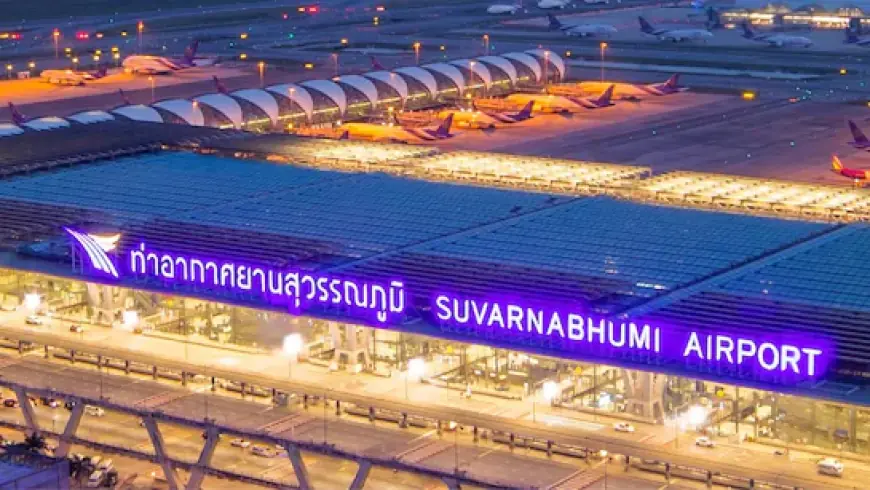

Thailand has tightened health screening measures at its international airports for passengers arriving from India’s West Bengal state, following heightened health alerts linked to the Nipah virus.
Airport authorities have implemented enhanced monitoring protocols for inbound travellers from the affected region, including temperature checks, health declarations and closer observation for symptoms associated with viral infections. The measures are being applied at major international gateways handling flights from India.
The move is a precautionary step aimed at early detection and containment, as Thai public health officials seek to minimise the risk of cross‑border transmission. Aviation and airport authorities are working alongside health agencies to ensure screening processes do not disrupt passenger flow while maintaining safety standards.
West Bengal is a key source market for travel to Thailand, driven by tourism, business travel and medical tourism demand. Flights between India and Thailand remain frequent, making airports a critical checkpoint for public health surveillance.
Officials have stressed that the tightened screening does not constitute a travel ban or flight suspension. Air services between India and Thailand continue to operate normally, with airlines instructed to cooperate fully with health screening procedures and passenger information requirements.
The aviation sector has increasingly integrated public health protocols into routine operations since the COVID‑19 pandemic, with airports now better equipped to scale screening measures in response to emerging health risks. Temperature scanning infrastructure and health response teams remain on standby at major terminals.
Public health experts note that airport screening serves as one layer of a broader containment strategy, complementing community surveillance and international information sharing. While such measures cannot eliminate risk entirely, they can help identify symptomatic cases and trigger follow‑up monitoring.
For airlines, the enhanced checks may result in slightly longer processing times for affected passengers, particularly during peak arrival hours. Carriers are advising travellers to allow additional time for arrival formalities and to comply with health documentation requirements.
Thailand’s response reflects a wider regional trend of targeted health vigilance rather than blanket restrictions, allowing international travel to continue while addressing specific risk areas. Authorities have indicated that screening protocols will be reviewed regularly based on evolving health assessments.
As global travel remains closely linked to public health developments, aviation stakeholders continue to balance connectivity with safety, using airport screening as a frontline tool in managing emerging disease risks.