The Future of Hospitality: How Technology is Transforming Guest Experiences
Explore how AI, automation, and smart technology are transforming the hospitality industry—enhancing guest satisfaction, streamlining operations, and personalizing experiences in hotels, restaurants, and travel.
 Munni Khatun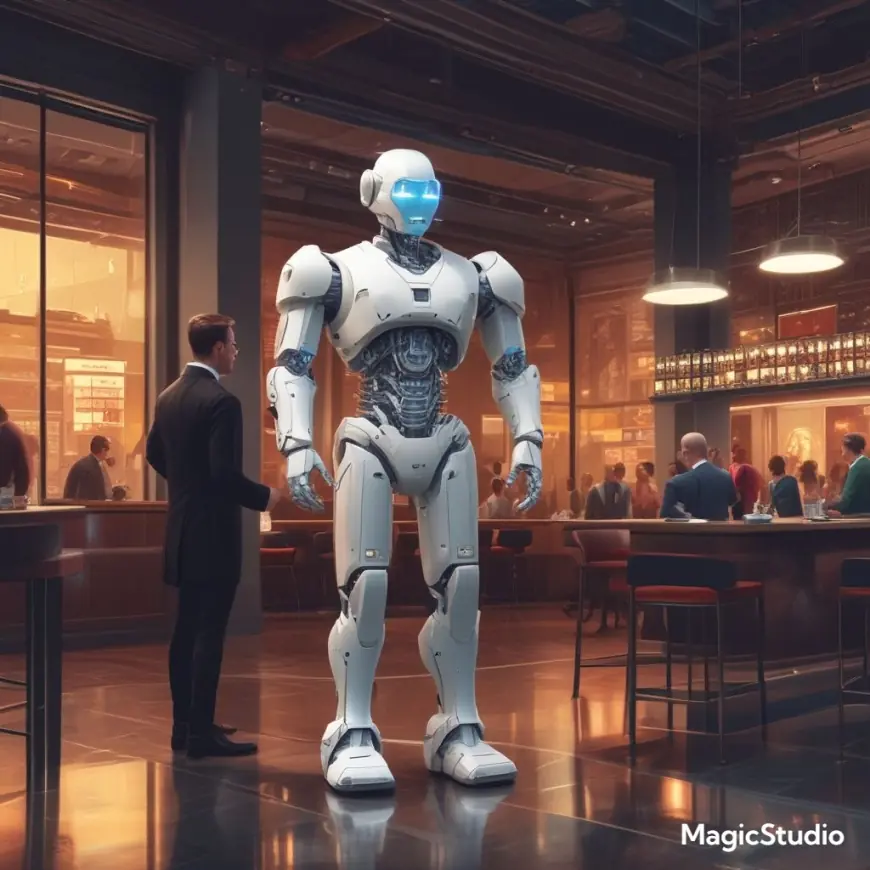
The hospitality industry has always been about creating memorable experiences, making guests feel valued, comfortable, and cared for. But as we move deeper into the 21st century, the traditional ways of welcoming guests are evolving rapidly. Thanks to advancements in technology—especially artificial intelligence (AI), automation, and smart devices—the future of hospitality is reshaping the guest experience in ways we could only imagine a few years ago.
Whether you’re a frequent traveler, a hotel owner, a restaurateur, or simply curious about how technology is influencing this vibrant sector, this comprehensive guide explores how these innovations are not only changing operations but revolutionizing guest satisfaction, personalization, and efficiency.
Introduction: The Intersection of Hospitality and Technology
Technology and hospitality may seem like an unlikely pair at first glance. Hospitality is rooted in warmth, human touch, and personalized service, while technology often conjures images of cold machines and automated systems. However, this perception is shifting dramatically.
Modern technology is designed to augment, not replace, human interaction—helping hospitality professionals deliver better, faster, and more customized experiences. From AI-driven chatbots that provide instant assistance to smart rooms that adjust lighting and temperature automatically, the industry is embracing digital transformation to meet ever-evolving guest expectations.
Artificial Intelligence (AI): Personalizing Guest Experiences
1. AI-Powered Customer Service
One of the most noticeable ways AI is changing hospitality is through customer service. Hotels and restaurants are deploying AI-powered chatbots and virtual assistants to handle routine queries 24/7. These AI tools can answer questions about booking, menu options, local attractions, and more—reducing wait times and freeing up staff for more complex tasks.
For example, AI chatbots on hotel websites can guide guests through room selection, special requests, or cancellation policies in real-time. This level of instant interaction improves guest satisfaction and reduces the burden on human staff.
2. Personalized Recommendations
AI excels at data analysis, which hospitality businesses leverage to understand guest preferences better. By analyzing past bookings, dining habits, and feedback, AI systems can recommend personalized services—like suggesting a preferred wine at dinner or a spa treatment tailored to your tastes.
This personalization helps guests feel seen and valued, leading to increased loyalty. For example, Marriott International uses AI to tailor offers and services, creating a unique experience for every guest.
3. Voice-Activated Services
Voice assistants powered by AI, such as Amazon Alexa or Google Assistant, are becoming common in hotel rooms. Guests can request room service, adjust room settings, or ask for local recommendations simply by speaking.
This seamless interaction not only enhances convenience but also adds a futuristic touch to the stay, aligning hospitality with modern lifestyle trends.
Automation: Streamlining Operations for Efficiency
1. Automated Check-In and Check-Out
Long queues at the front desk are a thing of the past thanks to automation. Many hotels now offer self-service kiosks or mobile apps that allow guests to check in and out without ever seeing a staff member.
This not only speeds up the process but also reduces human error and frees up receptionists to focus on personalized guest interactions. Some hotels go a step further by using facial recognition technology for seamless access to rooms.
2. Robotics in Housekeeping and Room Service
Robots are making their way into the hospitality workforce. From delivering towels and toiletries to cleaning rooms, automation in housekeeping is improving efficiency and consistency.
For example, some hotels employ robotic vacuum cleaners and floor scrubbers, which work tirelessly without fatigue. Meanwhile, delivery robots bring room service orders directly to guests, reducing wait times and minimizing human contact—a feature particularly appreciated in the post-pandemic world.
3. Inventory and Supply Chain Management
Behind the scenes, automation plays a critical role in managing inventory for restaurants and hotels. Automated systems track stock levels in real-time, reorder supplies as needed, and reduce waste by predicting demand more accurately.
This optimization lowers costs and ensures guests always have access to fresh ingredients and essentials.
Smart Technology: Creating Connected and Immersive Environments
1. Smart Rooms and IoT Devices
The Internet of Things (IoT) has ushered in a new era of smart rooms in hotels. These rooms can be controlled via smartphone apps or voice commands, allowing guests to personalize lighting, temperature, curtains, and entertainment systems effortlessly.
Imagine arriving at your hotel room where the thermostat adjusts to your preferred setting, the lights dim softly, and your favorite music plays—all automatically.
2. Enhanced Security and Privacy
Smart technology also bolsters security in hospitality. Keyless entry systems using smartphones or biometric scans eliminate the need for physical keys, reducing the risk of loss or theft.
Additionally, AI-driven surveillance systems can detect unusual activity and alert staff immediately, improving guest safety without compromising privacy.
3. Augmented Reality (AR) and Virtual Reality (VR)
AR and VR are finding their way into the hospitality experience, particularly in travel planning and on-site entertainment. Hotels and travel agencies use VR to offer virtual tours of rooms and destinations before booking, helping guests make informed decisions.
On-site, AR apps can enhance cultural or historical tours, providing immersive storytelling through smartphones or AR glasses, enriching the guest experience.
Impact on Restaurants: Technology Enhancing Dining Experiences
1. AI-Driven Menu Personalization
Restaurants are using AI to analyze customer preferences, dietary restrictions, and past orders to create personalized menus or suggest dishes. This customization makes dining more enjoyable and inclusive, catering to individual tastes and needs.
2. Automated Ordering Systems
From tabletop tablets to smartphone apps, automated ordering systems reduce errors and speed up service. Guests can browse the menu, customize orders, and pay electronically, minimizing wait times and improving accuracy.
3. Kitchen Automation and Robotics
Behind the scenes, kitchens are adopting automation for food preparation and cooking. Robots can perform repetitive tasks such as chopping, mixing, and frying with high precision and speed, allowing chefs to focus on creativity and presentation.
The Travel Industry: Smarter, More Efficient Journeys
1. AI in Travel Planning
AI-powered travel platforms analyze vast amounts of data to offer personalized travel itineraries, predict prices, and recommend the best times to book flights or accommodations.
2. Automation in Airport Services
Airports are adopting automation for security checks, baggage handling, and boarding processes to minimize delays and enhance passenger convenience.
3. Smart Transportation
Smart vehicles, autonomous shuttles, and app-based ride services are streamlining travel from door to door, making journeys smoother and more comfortable.
Challenges and Considerations
While technology offers exciting possibilities, it also presents challenges. Privacy concerns around data collection, the potential loss of human jobs, and the need for ongoing maintenance and cybersecurity are critical considerations.
Hospitality businesses must balance tech integration with preserving the human touch that defines the industry’s essence. Training staff to work alongside new technologies and maintaining transparency with guests are essential steps toward this balance.
Conclusion: Embracing a Tech-Enhanced Future
The future of hospitality lies at the intersection of tradition and innovation. AI, automation, and smart technologies are not replacing human warmth but enhancing it—offering guests more personalized, efficient, and memorable experiences.
As technology continues to evolve, hospitality providers who embrace these tools thoughtfully will lead the way in creating the next generation of guest experiences—where convenience meets care, and innovation meets intimacy.
Whether it’s a hotel room that anticipates your needs, a restaurant that remembers your favorite dish, or a travel itinerary crafted just for you, the future of hospitality promises a smarter, more connected, and deeply human experience.