Wine Pairing Basics Training for Restaurant Service Professionals
Learn wine pairing basics training for restaurant professionals with SOP, pairing techniques, service sequence, and guest interaction standards in hotel operations.
 Jyoti Kushwaha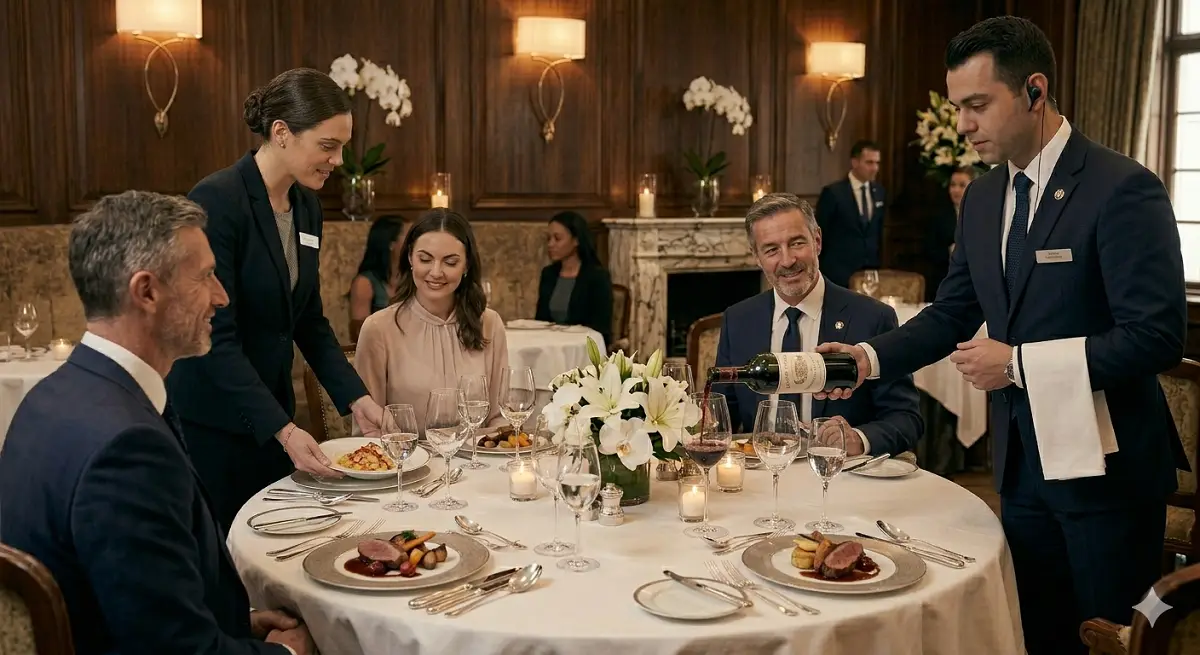
The pass is already talking guests are asking for wine help, and half the floor is either overselling or freezing up. This is where strong pairing skills separate order-takers from real professionals.
Overview of Wine Pairing in Restaurant Operations
Wine pairing isn’t just fine dining drama. It’s a revenue driver and a guest experience tool use it right, and the table’s vibe lifts immediately.
Good pairing makes both the dish and the wine taste better. Bad pairing? It kills both. Simple as that.
And this isn’t only for premium restaurants. Even in casual setups, a confident wine suggestion bumps average spend without feeling like a push.
On the floor, your job is to read the guest, know your menu, and make pairing feel natural not like a lecture.
This training keeps it practical clear SOPs, sharp timing, and real service flow.
SOP Procedure for Wine Pairing Service
Follow this every shift. No shortcuts.
1. Menu and Wine Knowledge Preparation
Know your dishes and your wines. Flavor, body, acidity, sweetness basic understanding is non-negotiable.
2. Guest Preference Assessment
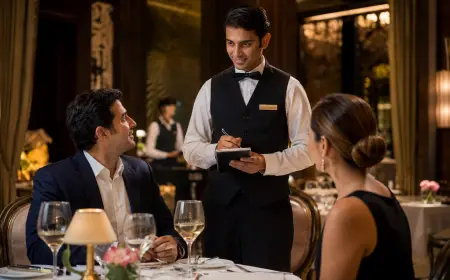
Ask simple questions. “Do you prefer light or bold?” “Red or white?” And yes always check budget comfort.
3. Pairing Recommendation
Match food and wine logically. Red with red meat, white with seafood. Don’t overcomplicate.
4. Suggestive Selling Integration
Push premium only if it fits. If it feels forced, the guest shuts down.
5. Order Confirmation
Repeat clearly. Bottle or glass confirm before you punch it in.
6. Wine Service Execution
Present, open, pour clean and confident. No fumbling at the table.
7. Guest Feedback Monitoring
Watch the first sip. If something’s off, fix it fast.
8. Coordination with Kitchen
Wine and food must land together. Not one chasing the other.
That’s your baseline. Miss one step, service slips.
Operational Steps and Wine Service Sequence
This is your service rhythm. Lock it in.
Step-by-Step Wine Service Sequence:
• Present menu and wine list within 2 minutes
• Offer a quick beverage suggestion early
• Take food order and think pairing immediately
• Recommend wine based on the dish not guesswork
• Confirm and enter into POS without delay
• Present bottle for verification
• Open at the table steady hands
• Offer tasting to host
• Serve clockwise, start with ladies or host
• Top up before glasses run dry
• Sync pours with course timing
Service Timing Benchmarks:
• Suggestion: within 5 minutes
• Delivery: 5–7 minutes max
• First pour: right after approval
• Refill: before the guest has to ask
Operational Controls:
• Never let food arrive before wine
• Temperature matters: red 16–18°C, white 8–12°C
• Correct glassware every time
• Keep an eye on guest satisfaction, not just the bottle
Pro-tip: Empty glasses are silent complaints.
Guest Interaction and Wine Pairing Techniques
This is where deals are won or lost.
Professional Communication Standards:
• Keep it simple, no wine jargon overload
• Speak with confidence, not arrogance
• Guide, don’t lecture
Basic Wine Pairing Techniques:
• Complementary: Rich food, rich wine
• Contrasting: Acid cuts fat, use it
• Regional: Same region usually works
• Sweetness Balance: Wine sweeter than dessert
Food-Based Pairing Guidelines:
• Red meat → full-bodied reds
• White meat → lighter wines
• Seafood → crisp whites
• Spicy → slightly sweet or low alcohol
• Desserts → sweet wines only
Handling Guest Preferences:
• Give 2–3 options. Not ten.
• Adjust based on their reaction
• Respect budget, always
• Don’t push expensive bottles blindly
Common Mistakes to Avoid:
• Suggesting without understanding the dish
• Talking too much and slowing service
• Ignoring guest taste
• Turning pairing into a lecture
Pro-tip: If the guest looks confused, you’ve already lost them.
Tools and Equipment for Wine Pairing Service
Your tools should support you, not slow you down.
Primary Tools:
• Updated wine list with clear descriptions
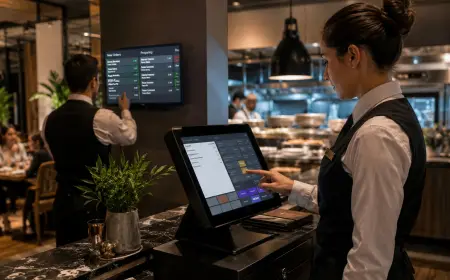
• POS system for fast entry
• Pairing charts for quick reference
• Inventory system to avoid stock-outs
Support Equipment:
• Correct wine glasses (red, white, sparkling)
• Corkscrew, always sharp and ready
• Buckets and chillers
• Decanters where needed
• Clean trays and cloths
Usage Guidelines:
• Glassware must be spotless
• Store wine at proper temperature
• Use the right tools, no shortcuts
• Keep presentation tight and clean
Pro-tip: Dirty glass = dead sale.
Service Standards and Performance Metrics
If you can’t measure it, you can’t fix it.
Key Performance Metrics:
• Recommendation acceptance rate: high
• Beverage revenue: growing
• Service timing: on point
• Guest feedback: positive
• Order accuracy: 100%
• Upselling success: consistent
These numbers tell you if your floor team is selling or just serving.
Evaluation and Continuous Improvement
Good teams train. Great teams taste and practice.
Evaluation Methods:
- Regular wine knowledge checks
- Sales reports watch the trends
- Guest feedback on recommendations
- Floor observation during service
- Tasting sessions non-negotiable
Common issues? Weak knowledge, low confidence, wrong pairings.
Fix it with repetition, tasting, and tighter SOP discipline.
Bottom line wine pairing isn’t about showing off. It’s about guiding the guest, lifting the meal, and driving revenue without friction.
Do it right, and the table remembers you. Not just the food.
Read more about table dining etiquette training