Table Etiquette and Dining Etiquette Training for Restaurants
Learn table etiquette and dining etiquette training with SOP, service sequence, guest interaction, and professional dining standards for restaurant operations.
 Jyoti Kushwaha
The difference between average service and premium service? It’s not the food it’s how the table is handled.
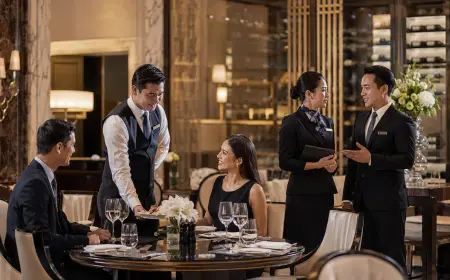
Guests notice everything. How you stand. How you place a fork. How quietly you clear a plate.
And once you lose that finesse, the table’s vibe drops fast.
Overview of Table and Dining Etiquette in Hospitality
Etiquette is not decoration it’s control.
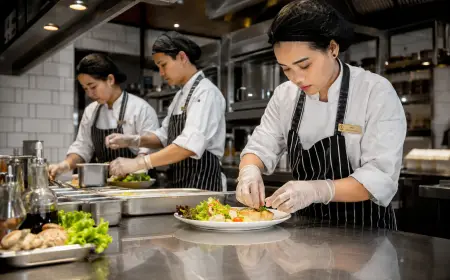
In good operations, every movement at the table is clean, quiet, and intentional. No random gestures. No awkward pauses.
Staff must look sharp, move with purpose, and speak clearly. And when needed, guide the guest without making it obvious.
Because here’s the truth: guests don’t always know etiquette but they always feel when it’s missing.
Pro tip: If service feels clumsy, etiquette is already broken.
SOP Procedure for Table Etiquette and Dining Service
This is your baseline. No shortcuts.
1. Pre-Service Table Setup
Set the table exactly to standard. Alignment clean. Glassware spotless. No guesswork.
2. Guest Seating Etiquette
Guide seating smoothly. Prioritize ladies and senior guests. No confusion at the chair.
3. Napkin Service
Place it if service style demands. Otherwise, guide politely. Keep it natural.
4. Order Taking Etiquette
Eye contact. Listen fully. Speak clearly. No rushing, no mumbling.
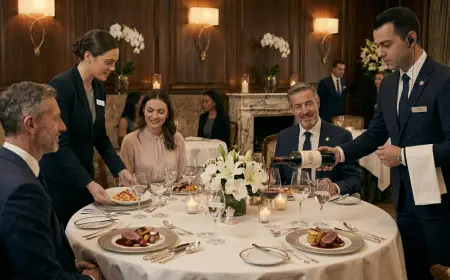
5. Food Service Etiquette
Serve from the correct side. Keep movement tight. Don’t interrupt the table flow.
6. Table Clearing Etiquette
Clear silently. Correct side only. Never cut through conversation.
7. Beverage Service Etiquette
Pour steady. No spills. No overfilling. Control your hand.
8. Closing Interaction
Present the bill clean. Thank the guest properly. End strong.
Miss these basics, and the whole service feels amateur.
Operational Steps and Dining Service Sequence
This is how a proper table flows from start to finish.
Step-by-Step Dining Service Sequence:
• Set the table before guests arrive no last-minute fixing
• Greet and seat within 30 seconds no waiting at the door
• Assist seating and handle napkin smoothly
• Present menu and explain specials clearly
• Take order with full attention no distractions
• Serve beverages first, then courses in sequence
• Watch the table without hovering
• Clear each course clean and fast
• Offer dessert and after-meal drinks at the right moment
• Present bill without delay
• Close with a proper thank you and assist exit
Service Timing Benchmarks:
• Greeting & seating: within 30 seconds
• Menu down: within 1 minute
• Order taking: 3–5 minutes
• Beverage service: within 3 minutes
• Course timing: as per kitchen standard
• Clearing: within 2 minutes after finish
Operational Controls:
• Keep movement quiet and controlled
• Don’t crowd the table
• Follow service order always
• Keep reading guest comfort
Pro tip: Fast is good. Smooth is better.
Guest Interaction and Dining Etiquette Techniques
This is where finesse shows.
Professional Behavior Standards:
- Stand straight. Look sharp
- Speak politely no casual tone
- Don’t interrupt conversations
- Keep the right distance never hover
Dining Etiquette Guidelines for Guests (Assisted by Staff):
• Guide cutlery use only when needed
• Adjust napkin service naturally
• Maintain correct course flow
• Help quietly never show off
Non-Verbal Communication:
• Eye contact controlled, not staring
• Smooth hand movement
• No negative body language
• Stay calm even under pressure
Handling Special Situations:
• Fix spills immediately no noise, no panic
• Respond fast to requests
• Handle complaints quietly and professionally
Pro tip: The best service is the one guests don’t notice but remember.
Tools and Equipment for Table Etiquette Service
Your tools should support clean service not slow you down.
Primary Tools:
• Proper cutlery, crockery, and glassware
• Service trays and trolleys
• Clean napkins and linen
• Menus and wine lists
Support Equipment:
• Organized side stations
• Beverage tools (wine opener, jugs)
• Crumbers and cleaning cloths
• POS system for smooth order flow
Usage Guidelines:
• Everything clean no exceptions
• Use the right tool at the right time
• Maintain hygiene always
• Keep your station ready before service starts
Messy station = messy service. Simple.
Service Standards and Performance Metrics
This is how you measure real table control.
Key Performance Metrics:
• Service sequence: 100% correct
• Guest satisfaction: consistently high
• Table setup: exact standard
• Timing: within SOP
• Grooming & posture: always maintained
• Errors: minimal to none
If standards slip, guests feel it instantly.
Evaluation and Continuous Improvement
Good teams check themselves every shift.
Evaluation Methods:
• Supervisor watches live service
• Guest feedback take it seriously
• Service audits and checklists
• Staff skill checks
• Mystery guest reviews
Common issues? Sloppy setup. Poor posture. Missed details.
Fix it with repetition, correction, and discipline.
At the end of the day, etiquette is not about being fancy it’s about being in control of every second at the table.
Read more about restaurant reservation management.