Sequence of Service in Restaurants Training for Hotel Operations
Learn sequence of service in restaurants training with SOP, service workflow, guest interaction standards, order management, and operational procedures for hotel and restaurant staff.
 Jyoti Kushwaha
Talk in the pantry is focused on one thing restaurants don’t lose guests because of one big mistake. They lose them through small misses in the service sequence. A late greeting. A forgotten beverage. A bill that takes too long. Get the sequence right, and the whole shift runs smoother.
Overview of Sequence of Service in Restaurant Operations
The sequence of service is the backbone of restaurant operations. It’s the step-by-step flow that takes a guest from arrival to departure without service friction.
Every stage has a purpose. Greeting. Seating. Order taking. The fire-order. Food delivery. Billing. Miss a step and the table feels it.
A structured sequence keeps the floor organized and the kitchen aligned. And it helps deliver the same standard whether you're serving ten guests or a full house.
In hotel and restaurant operations, strong service sequencing supports guest satisfaction, table turnover, revenue, and quality control.
Pro-tip: Guests may not notice a perfect sequence. They always notice a broken one.
SOP Procedure for Sequence of Service
The sequence of service follows a clear SOP. Every team member should know it cold.
1. Restaurant Preparation
Inspect dining areas, table settings, service stations, menus, POS systems, and reservation records before opening.
2. Guest Arrival and Greeting
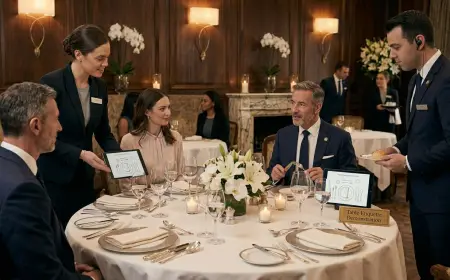
Acknowledge arriving guests within 30 seconds and provide a warm, professional welcome.
3. Seating Procedure
Escort guests to assigned tables, assist with seating when appropriate, and present menus.
4. Beverage Service
Offer water and take beverage orders promptly after menu presentation.
5. Food Order Taking
Take food orders accurately, confirm selections, and record any dietary requirements.
6. Order Processing
Enter orders into the POS system immediately and communicate special requests to the kitchen.
7. Food and Beverage Delivery
Serve orders according to restaurant standards and the correct service sequence.
8. Table Maintenance
Monitor guest needs, replenish beverages, and clear used items throughout the meal.
9. Dessert and Additional Sales
Offer desserts, coffee, or after-meal beverages before presenting the bill.
10. Billing and Departure
Present the bill accurately, process payment efficiently, and thank guests upon departure.
Pro-tip: Fast service isn't the goal. Controlled service is.
Operational Service Sequence and Workflow
A clear workflow keeps the floor moving and prevents confusion between service and kitchen teams.
Pre-Service Stage
• Conduct shift briefing
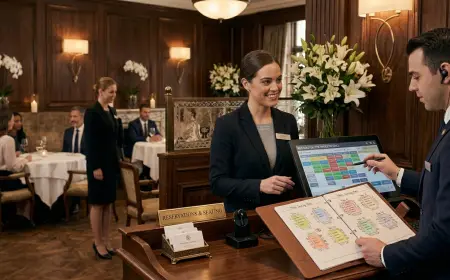
• Review reservations and VIP arrivals
• Verify table setup and cleanliness
• Check menu availability and specials
• Prepare service stations and equipment
Guest Arrival Stage
• Welcome guest within 30 seconds
• Confirm reservation if applicable
• Escort guest to table
• Present menu and beverage list
• Provide water service
Order Taking Stage
• Allow sufficient menu review time
• Explain menu items when requested
• Record orders accurately
• Confirm cooking preferences and dietary requirements
• Enter order into POS immediately
Food Service Stage
• Monitor kitchen preparation status
• Verify order accuracy before delivery
• Serve food in proper sequence
• Conduct satisfaction check within 2 minutes of service
Meal Completion Stage
• Clear finished plates promptly
• Offer desserts and beverages
• Present bill upon request
• Process payment efficiently
• Thank and farewell guest professionally
Recommended Service Timing Standards
• Guest greeting: within 30 seconds
• Menu presentation: within 1 minute
• Beverage order taking: within 2 minutes
• Beverage delivery: within 3–5 minutes
• Food order taking: within 5–7 minutes
• Food delivery: within 15–20 minutes
• Satisfaction check: within 2 minutes after serving
• Bill presentation: within 3 minutes of request
Pro-tip: Timing slips usually start at the POS, not at the table.
Guest Interaction and Service Techniques
Good service isn't about saying more. It's about paying attention at the right moments.
Greeting Standards
• Maintain eye contact and smile
• Use polite and professional language
• Acknowledge waiting guests immediately
• Show confidence and attentiveness
Order Taking Techniques
• Listen carefully without interruption
• Clarify unclear requests
• Repeat orders for confirmation
• Record special instructions accurately
Food Service Techniques
• Verify table and order before serving
• Serve guests systematically
• Announce dishes when placing them
• Avoid reaching across guests whenever possible
Table Monitoring Techniques
• Observe guest signals discreetly
• Refill beverages proactively
• Remove unnecessary items promptly
• Maintain table cleanliness throughout the meal
Complaint Handling During Service
• Listen actively to concerns
• Acknowledge issues professionally
• Inform supervisor when necessary
• Follow service recovery procedures promptly
Common Service Errors to Avoid
• Delayed greeting
• Incorrect order entry
• Missing special requests
• Failure to check guest satisfaction
• Delayed bill presentation
Pro-tip: Most guest complaints give warning signs before they become complaints.
Tools and Equipment Used During Service
Strong service depends on preparation. Your tools should be ready before the first guest walks in.
Service Equipment
• Restaurant POS system
• Handheld ordering devices
• Order pads and pens
• Service trays and tray stands
• Service trolleys
Dining Equipment
• Cutlery and flatware
• Crockery and chinaware
• Glassware
• Table linen and napkins
• Menu folders
Support Systems
• Kitchen Display System (KDS)
• Reservation management system
• Payment terminals
• Communication devices
Equipment Handling Guidelines
- Ensure equipment cleanliness before use
- Store service tools properly after service
- Report damaged equipment immediately
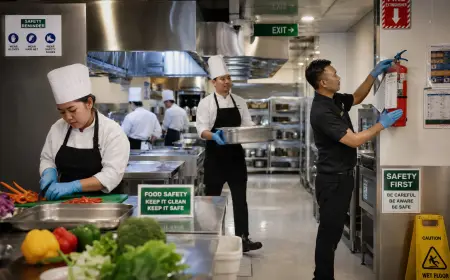
- Follow hygiene standards during handling
Pro-tip: Searching for equipment during service is a preparation problem, not a service problem.
Service Standards and Performance Evaluation
What gets measured gets improved. Strong teams know their numbers.
Key Service Standards
• Greeting compliance: 100%
• Order accuracy: 100% target
• Service timing adherence: within SOP standards
• Guest satisfaction scores: maintained consistently
• Billing accuracy: error-free processing
• Hygiene compliance: 100% adherence
Performance Evaluation Methods
• Supervisor observation during service
• Guest feedback reviews
• Mystery guest assessments
• POS order accuracy reports
• Service timing audits
• Team performance reviews
Continuous Improvement Activities
• Regular SOP refresher training
• Service role-play exercises
• Guest complaint analysis
• Performance coaching sessions
• Operational review meetings
Common issues include inconsistent timing, weak communication between the floor and kitchen, and incomplete order verification. Fix them through coaching, monitoring, and disciplined SOP execution.
At the end of the shift, guests remember how the experience felt. A strong sequence of service keeps the table's vibe positive, reduces mistakes, and helps every team member deliver a professional dining experience from the first greeting to the final goodbye.
Read more about Body language training.