Hospitality Body Language and Professional Behavior Training
Learn hospitality body language and professional behavior training with SOP, guest interaction techniques, service etiquette, and operational standards for hotel and restaurant staff.
 Jyoti Kushwaha
The fastest way to spot a weak floor? Watch how the team stands, walks, and looks at the guest. Before a single word is spoken, the table already knows what kind of service they’re getting.
Overview of Body Language in Hospitality Operations
Guests read you before they hear you. Every shift. Every table.
This isn’t about talking it’s about what you show without speaking.
Posture, eye contact, facial expressions, gestures, movement. That’s your real first impression.
Get it right, the table relaxes. Get it wrong, the table’s vibe drops even if service is technically perfect.
And during pressure? That’s when bad habits show slouching, rushing, avoiding eye contact.
Pro-tip: If you look stressed, the guest feels stressed.
SOP Procedure for Body Language and Professional Behavior
This is your baseline. No excuses on the floor.
1. Pre-Shift Grooming and Appearance
Uniform clean. Shoes polished. Hair neat. Accessories minimal. No shortcuts.
2. Posture and Presentation
Stand straight. Shoulders relaxed. Look ready, not tired.
3. Eye Contact and Facial Expression
Natural eye contact. Genuine smile. Not forced. Not blank.
4. Greeting Behavior
Acknowledge immediately. Small nod. Controlled movement. No hesitation.
5. Service Interaction Conduct
Use clean hand movements. Never point. Keep respectful distance.
6. Movement and Coordination
Walk with purpose. Not rushed. Not dragging your feet.
7. Handling Guest Concerns
Stay calm in your body first. Then speak. Guests read your reaction instantly.
8. Post-Shift Evaluation
Check yourself. Where did you lose control? Fix it next shift.
Pro-tip: Your body should look in control, even when service isn’t.
Operational Steps and Service Behavior Workflow
This is how behavior shows up during real service.
Step-by-Step Service Behavior Workflow:
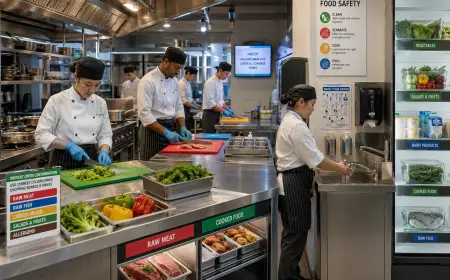
• Stand ready at station, no leaning, no slouching
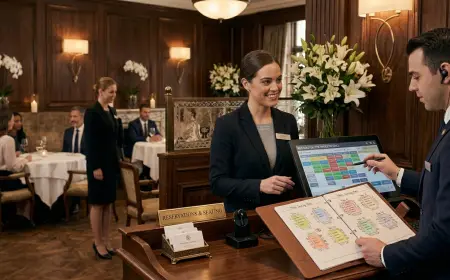
• Greet within 30 seconds, eye contact, smile
• Escort with controlled pace, never rush guests
• Take orders with full attention, no distractions
• Present menu and dishes with clean gestures
• Watch guest signals without interrupting
• Stay composed during rush, no panic movements
• Clear and reset tables smoothly
• Thank guests with eye contact on departure
Service Timing and Behavior Benchmarks:
• Greeting: eye contact within 30 seconds
• Order taking: steady posture throughout
• Service delivery: smooth, controlled movement
• Departure: immediate acknowledgment
Operational Controls:
• No rushed or careless movement
• Same standard for every guest, no favorites
• Stay coordinated with team, no confusion on the floor
• Watch your body language more during peak hours
Pro-tip: Slow is smooth. Smooth looks professional.
Guest Interaction and Body Language Techniques
What you do physically either builds trust, or breaks it.
Positive Body Language Techniques:
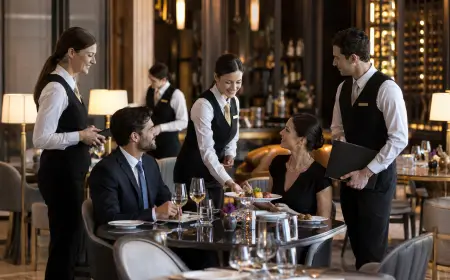
• Keep posture open, no crossed arms
• Use natural expressions, don’t go blank
• Nod slightly, show you’re listening
• Maintain eye contact, but don’t stare
Professional Behavior Standards:
• Stay calm, always
• Show respect in every gesture
• Drop negative expressions immediately
• Stay locked on the guest, not the room
Service Etiquette Techniques:
• Present dishes clean, no awkward hand movement
• Never point, use open hand
• Keep proper distance, don’t crowd the table
• Acknowledge before speaking
Handling Difficult Situations:
• Neutral face, no panic, no irritation
• No defensive stance, stay open
• Lean slightly forward, show engagement
• Support words with calm gestures
Common Mistakes to Avoid:
• Avoiding eye contact
• Slouching at stations
• Looking around while guest is speaking
• Over-gesturing or fidgeting
Pro-tip: If your hands look confused, you look untrained.
Tools and Equipment Supporting Professional Behavior
Tools don’t fix behavior, but they support discipline.
Primary Tools:
• Grooming and uniform standards manual
• Service SOP guidelines
• Training visuals and references
• Performance checklists
Support Equipment:
• Mirrors for pre-shift checks
• Communication devices for coordination
• Service trays for controlled handling
• CCTV for monitoring behavior patterns
Usage Guidelines:
• Check appearance before every shift
• Follow grooming rules strictly
• Handle tools confidently, not awkwardly
• Keep behavior consistent across all sections
Pro-tip: If you need to “fix” your uniform mid-service, you already started wrong.
Service Standards and Performance Metrics
This is how you measure discipline on the floor.
Key Performance Metrics:
• Grooming: 100% compliance
• Greeting quality: consistent and confident
• Body language: steady throughout service
• Guest feedback: positive on staff behavior
• Complaint handling: calm and controlled
• Presentation: always on brand
If guests mention attitude, your body language is the problem.
Evaluation and Continuous Improvement
Good teams serve. Strong teams observe and correct.
Evaluation Methods:
• Supervisor watches during live service
• Guest feedback on interaction
• Mystery audits
• Grooming and behavior checklists
• Role-play and training drills
Main issues? Lack of awareness. Inconsistent posture. Sloppy habits under pressure.
Fix it with repetition. Feedback. And accountability.
End of the day guests don’t remember your SOP. They remember how you made them feel the moment you walked up to the table.
Read more about POS training.