Food Allergens Awareness Training for Safe Restaurant Service
Learn food allergens awareness training with SOP, safe food handling, allergen control, and service procedures for hotel and restaurant operations.
 Jyoti Kushwaha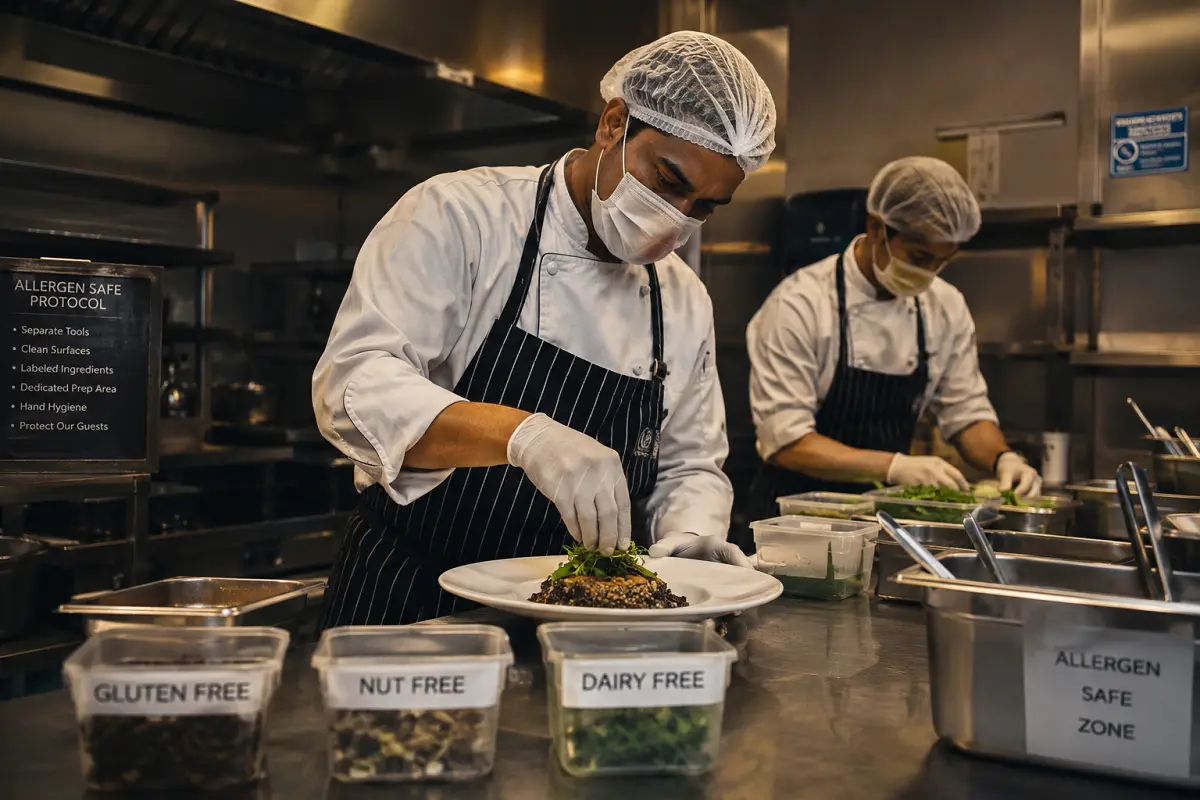
The pass is calling it out more often now “allergy on table 12.” And when that happens, there’s zero room for error. This is where teams either look sharp… or completely lose control. Food allergens awareness training is non-negotiable for kitchen and service teams. This is about protecting the guest, protecting the brand, and protecting your license to operate. One mistake here isn’t a complaint, it’s a crisis.
Overview of Food Allergens Awareness Training
Allergy requests aren’t rare anymore. They’re daily business. And guests expect you to handle them without hesitation.
Allergens sit everywhere raw prep, sauces, garnishes, even fryer oil. If your team doesn’t know where they hide, you’re already behind.
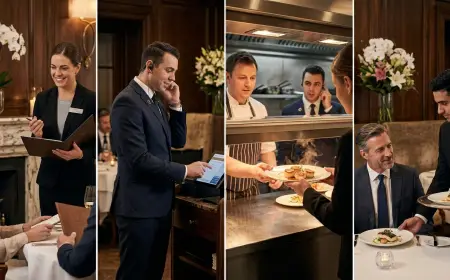
Call it what it is: this is coordination under pressure. Service takes the order right, kitchen executes clean, and both sides stay locked in.
And remember, “almost right” is still wrong here.
This training builds that discipline so every allergen order is handled clean, clear, and safe.
SOP Procedure for Allergen Control
This SOP is your safety net. Miss one step, and you create risk.
1. Allergen Identification
Know your menu inside out. Every dish, every ingredient. Keep allergen charts updated no guessing on the floor.
2. Guest Communication
Ask directly. “Any allergies?” Then confirm for food allergy again. No assumptions. Ever.
3. Order Marking
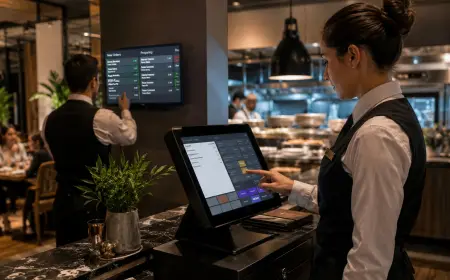
Flag it clearly in the POS. And don’t rely on the screen alone call it out to the kitchen.
4. Separate Preparation
Use clean tools, clean space. No shortcuts. No shared surfaces.
5. Cross-Contact Prevention
Keep allergen ingredients completely away prep, cook, plate. One slip here ruins everything.
6. Final Verification
Check again before it leaves the pass. Ingredients. Plate. Garnish. Everything.
7. Safe Service
Serve it separately. Identify it clearly to the guest. No mix-ups on the tray.
8. Documentation
Log special requests and incidents. Patterns matter. Fix weak spots fast.
Pro tip: If you’re unsure at any step stop and escalate. Never “figure it out” on the fly.
Operational Steps and Service Sequence
This is your live-service flow. Stick to it every single time.
Step-by-Step Service Sequence:
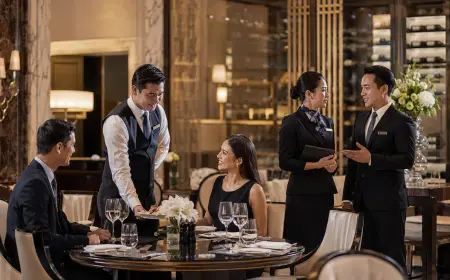
• Greet guest and ask about dietary restrictions early
• Note allergen clearly while taking the order
• Repeat it back to confirm no mistakes here
• Enter order with allergen note in POS immediately
• Call it out to kitchen make sure they hear it
• Track the dish during prep don’t lose sight
• Check again before pickup at the pass
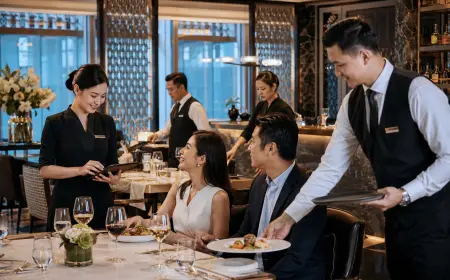
• Serve separately, clearly identified
• Reconfirm with guest at the table
• Keep an eye during the meal
Service Timing Benchmarks:
• Allergy check: during first interaction
• Order entry: within 2 minutes
• Kitchen communication: immediate
• Prep time: standard timing, extra care
• Service: clean, direct, no confusion
Operational Controls:
• Don’t stack multiple allergen orders together
• Keep communication tight no mixed signals
• No substitutions without guest approval
• Watch high-risk ingredients like a hawk
And if the floor gets busy? You slow down for allergen orders not speed up.
Guest Interaction and Safe Service Techniques
This is where trust is built or broken.
Service Interaction Standards:
• Ask clear, direct questions
• Listen fully don’t rush the guest
• Repeat details back for confirmation
• Stay calm and confident
Safe Service Techniques:
• Use separate trays and service ware
• Keep distance from other dishes
• Deliver straight to the guest no stops
Handling Special Requests:
• Confirm with kitchen before promising anything
• Be honest if something can’t be guaranteed
• Loop in supervisor or chef when needed
Managing Allergen Incidents:
• Act immediately no delay
• Inform management straight away
• Follow emergency protocol if required
• Document everything clearly
Pro tip: Guests don’t expect perfection they expect honesty and control. Give them both.
Tools and Equipment for Allergen Management
Your tools either protect you or expose you.
Primary Tools:
• POS system with clear allergen flags
• Updated allergen charts and menu guides
• Kitchen display systems for tracking
• Strong communication channels between teams
Support Equipment:
• Color-coded boards and utensils
• Separate storage for allergen-free items
• Dedicated prep areas where possible
• Proper cleaning and sanitizing tools
Usage Guidelines:
• Keep allergen info updated daily if needed
• Clean tools before every allergen prep
• Store ingredients separately, clearly labeled
• Don’t assume verify everything
One dirty knife can undo all your training. Stay sharp.
Service Standards and Performance Metrics
This is a zero-error zone. No grey area.
Key Performance Metrics:
• Allergen order accuracy: 100%
• Cross-contact incidents: zero tolerance
• Staff awareness: fully trained
• Response time: immediate
• Guest confidence: high
• Documentation: complete and clear
If your team isn’t hitting 100% here, you fix it immediately. No delays.
Evaluation and Continuous Improvement
You don’t “set and forget” allergen control. You stay on it.
Evaluation Methods:
- Regular staff refreshers and testing
- Kitchen and floor audits
- Guest feedback tracking
- Incident review and correction
- SOP compliance checks
Biggest risks? Miscommunication, shortcuts, and lack of awareness.
Fix them with repetition, supervision, and discipline.
Bottom line this is about control under pressure. When an allergy order hits the line, your team either executes clean… or gets exposed. Train them so there’s no doubt which one it is.
Read more about Zero-waste kitchen management.