Transponder Tampering Uncovered After Stolen Aircraft Linked to Cross‑Border Meth Operation
Authorities uncovered deliberate transponder tampering after a stolen aircraft was linked to a cross‑border meth operation, raising serious aviation security concerns.
 Jishan Khan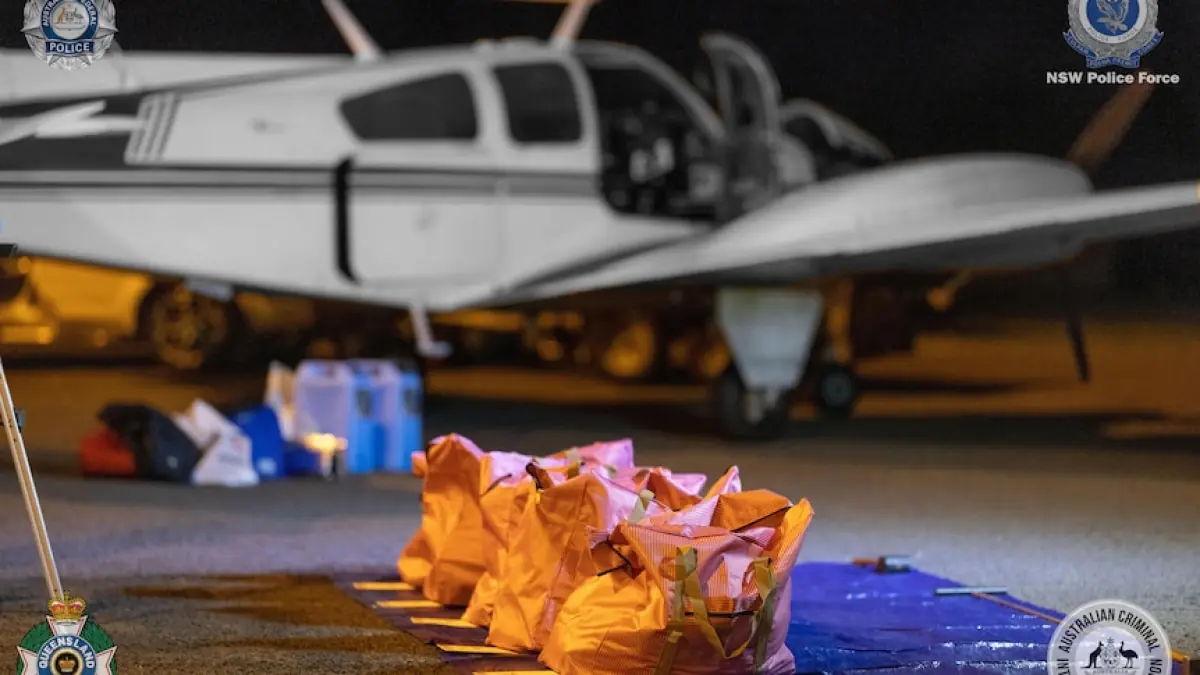

Aviation authorities have uncovered deliberate transponder tampering following the discovery of a stolen aircraft connected to a cross‑border methamphetamine operation, highlighting a serious breach in general aviation security and aircraft tracking systems.
According to investigators, the aircraft’s transponder had been intentionally disabled to prevent detection by air traffic control and radar monitoring systems. This allowed the aircraft to operate undetected while transporting illicit drugs, exploiting vulnerabilities in airspace surveillance—particularly in remote regions.
The aircraft was reported stolen before being linked to the operation, with evidence suggesting it was used repeatedly to move narcotics across borders under the cover of darkness. Law enforcement officials confirmed that the lack of an active transponder significantly delayed detection and interception efforts.
Transponders play a critical role in modern aviation by broadcasting an aircraft’s identity, altitude, and position to air traffic controllers and other aircraft. Tampering with or disabling these systems not only violates aviation regulations but also poses a severe safety risk to other airspace users.
Authorities have arrested those involved and are investigating whether similar methods have been used in other illicit aviation operations. The case has renewed calls for stricter monitoring of general aviation aircraft, enhanced airport security at smaller airfields, and tougher penalties for transponder interference.
Aviation security experts warn that while commercial airline operations remain highly regulated, general aviation continues to be targeted by criminal networks due to easier aircraft access and less comprehensive surveillance coverage.
The incident underscores the growing need for coordinated action between aviation regulators, law enforcement agencies, and border authorities to prevent aircraft from being used in organized crime and to safeguard airspace integrity.