United Airlines Reports Record Revenue, Sees Strong 2026 Outlook
United Airlines posts its highest quarterly revenue ever and forecasts stronger 2026 profits, driven by premium demand and loyalty growth.
 Jishan Khan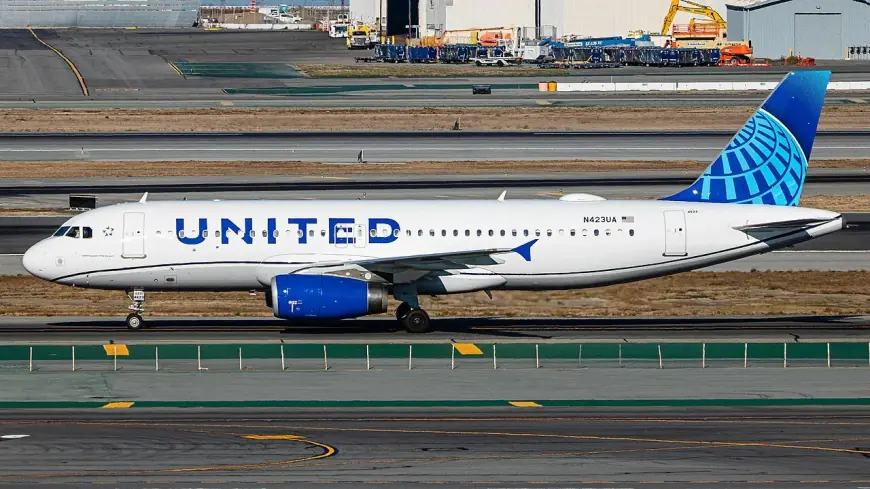

United Airlines has reported record revenue for the latest quarter and offered an upbeat outlook for 2026, underscoring strong demand dynamics and financial momentum as the U.S. network carrier navigates a competitive aviation landscape.
The Chicago-based carrier said total operating revenue for the fourth quarter of 2025 reached approximately $15.4 billion, marking the highest quarterly top-line performance in the airline’s history and exceeding Wall Street expectations. Adjusted earnings per share of about $3.10 also beat analyst forecasts, reflecting robust revenue per available seat mile (RASM) and improved yields in key segments.
United’s leadership highlighted that premium seating and loyalty-related revenue growth underpinned this performance. Premium cabin revenue rose around 9 percent year-over-year in the quarter, while mileage-plus loyalty revenues increased by about 10 percent. These segments have emerged as strategic drivers for carriers competing for high-yield passengers amid an evolving demand mix.
The airline’s results also showed resilience in its main-cabin and basic economy offerings, which continued to contribute to overall growth as total passenger volumes remained elevated through the year’s end. United also noted that it carried a record number of passengers for the year, contributing to broader top-line strength across domestic and international markets.
Looking ahead to 2026, United guided to adjusted earnings per share in a range of $12–$14 for the full year, signalling expected profit expansion compared with 2025 outcomes. That guidance sits at or above analyst consensus estimates and reflects confidence in continued revenue momentum driven by both leisure and business travel demand.
United also reaffirmed its capital investment plans for 2026, which include taking delivery of more than 100 narrowbody aircraft and approximately 20 Boeing 787 Dreamliners — a significant fleet expansion that supports network growth and capacity optimisation across domestic and long-haul routes. Additionally, the airline plans infrastructure upgrades at key hubs such as Washington Dulles International Airport and Houston’s George Bush Intercontinental Airport.
The carrier’s performance comes amid a broader U.S. airline industry trend, where major carriers are benefiting from recovering corporate travel demand and robust leisure bookings. United’s focus on premium experience and loyalty engagement appears aligned with these macro trends, as carriers adjust product offerings and pricing strategies post-pandemic.
United’s strategic emphasis on customer-centric enhancements — including expanded premium seats, improved onboard connectivity, investments in airport lounges and other service upgrades — has been part of its multi-year plan to differentiate its product and capture a larger share of high-value passengers. These efforts, coupled with solid revenue results, help explain management’s confidence in translating current momentum into broader profitability improvements in 2026.
While global economic uncertainties and fuel price volatility remain variables for carriers, United’s record revenue quarter and positive forecasts reflect robust operational and commercial execution. Industry watchers will gauge how sustained premium demand, loyalty programme strength and fleet deployment strategies influence near-term financial performance among major network airlines competing in a structurally dynamic market.