United Set for Biggest Boeing 787 Intake in Decades
United Airlines plans to take delivery of 20 Boeing 787 Dreamliners in 2026, the largest annual widebody intake by a U.S. carrier since the 1980s.
 Jishan Khan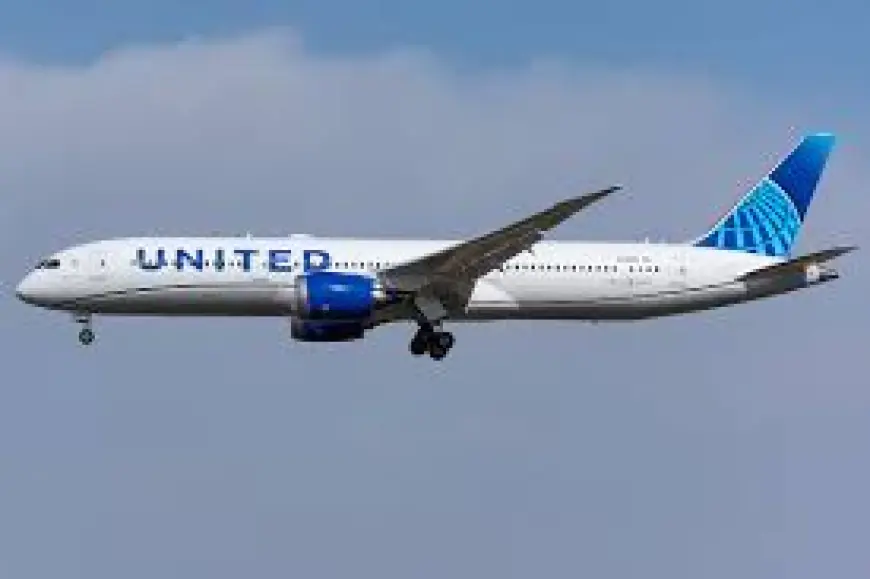

United Airlines is poised to take delivery of 20 Boeing 787 Dreamliners in calendar year 2026, a level of widebody intake not seen from a U.S. passenger carrier in nearly four decades. The delivery count forms a cornerstone of the carrier’s fleet modernisation and long-haul network expansion strategy, as it seeks to capitalise on resurgent international travel demand while renewing ageing aircraft types.
The Chicago-based airline’s scheduled 2026 Dreamliner receipts are part of a broader order backlog that has surged in recent years under United’s “United Next” long-term strategy. According to industry fleet data, United holds firm orders for more than 140 Boeing 787-9s and -10s, alongside several dozen already in service, giving it one of the largest Dreamliner fleets in North America.
Deliveries of 20 aircraft in a single year represent the highest annual widebody uptake by a U.S. airline since the late 1980s, a period when carriers were still expanding widebody fleets with Boeing 747-400s, McDonnell Douglas MD-11s and other long-haul workhorses. Today’s context is markedly different: twin-engine long-haul jets dominate global international operations, with airlines prioritising fuel efficiency, lower emissions and enhanced passenger experience.
United’s 2026 Dreamliners will support both incremental network growth and replacement of older widebody aircraft such as Boeing 767s and 777s that have formed the backbone of its long-haul operations for decades. Dreamliner deliveries align with network planners’ needs to optimise aircraft economics across transatlantic, transpacific and South America routes while preserving schedule reliability and improved seat mile costs.
The Boeing 787 Dreamliner family — which includes the -8, -9 and -10 variants — offers operators advanced aerodynamics, composite structures and next-generation engines that collectively reduce fuel burn and emissions compared with legacy widebodies. For United, integrating additional Dreamliners into service reinforces its focus on sustainable growth and underpins capacity plans on major global corridors where demand for premium and economy travel continues to recover strongly.
Industry analysts note that such a substantial influx of widebodies in a single year also requires detailed operational coordination. Crew training, maintenance planning and airport gate allocations must be balanced against existing schedules and projected peak travel demand windows. By prioritising Dreamliner deliveries in 2026, United seeks to align strategic fleet deployment with expected passenger growth throughout the second half of the decade.
United’s aggressive widebody strategy is being mirrored, on a global scale, by other carriers expanding their Dreamliner order books, although few match the annual volume expected at the U.S. carrier. Beyond 2026, United will continue to receive Boeing widebodies on a staggered basis as part of its long-term fleet plan, which also includes narrowbody additions to support domestic and short-haul markets.
The concentration of new widebody aircraft arriving in a single year highlights both the airline’s confidence in international demand and its commitment to renewing older fleet segments. As competitive dynamics evolve and connecting global travel patterns intensify, United’s Dreamliner deliveries in 2026 will play a pivotal role in sustaining its global network reach and operational flexibility.