Uzbek Prosecutor Halts Auction of Former Tajik Air Boeing 767
Uzbek authorities have halted the auction of a former Tajik Air Boeing 767, raising legal and ownership questions around aircraft disposal.
 Jishan Khan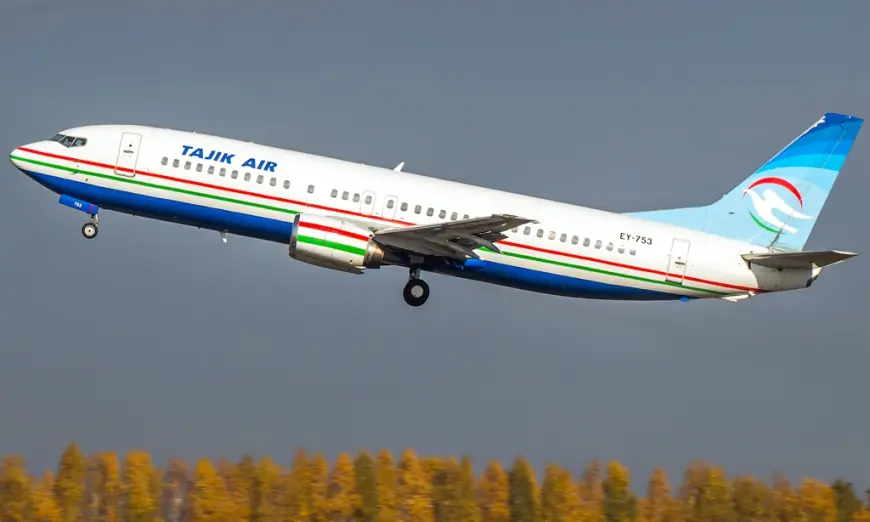

An auction involving a former Tajik Air Boeing 767 has been halted after intervention by an Uzbek prosecutor, introducing fresh legal uncertainty into the disposal of legacy aircraft assets in Central Asia. The decision underscores the complexities surrounding aircraft ownership, jurisdiction and regulatory oversight in markets where carriers have undergone restructuring or ceased operations.
The widebody aircraft, previously operated by now-defunct Tajik Air, was scheduled to be auctioned in Uzbekistan as part of asset recovery proceedings. However, the halt suggests unresolved legal or ownership claims remain attached to the aircraft, prompting authorities to suspend the sale pending further review. Such interventions are not uncommon in cases involving cross-border aircraft assets, particularly when historical operators, creditors and state entities are involved.
From an aviation industry perspective, the case highlights the challenges of aircraft remarketing in emerging markets. Aircraft formerly operated by state-linked or financially distressed airlines often carry complex legal histories, including unpaid fees, disputed registrations or unclear title documentation. These factors can significantly complicate resale efforts, even when demand exists for mid-life widebody aircraft.
The Boeing 767, while no longer in production, continues to attract interest for cargo conversion and secondary-market operations. Freighter demand, in particular, has supported residual values for certain variants, making them attractive assets for investors and operators. However, legal clarity is essential for any transaction, as buyers and lessors require unambiguous title and freedom from encumbrances before committing capital.
Central Asia’s aviation sector has undergone notable transformation over the past decade, with several legacy carriers facing financial and operational challenges. Tajik Air’s collapse left behind a number of unresolved asset and liability issues, including aircraft ownership disputes that have periodically resurfaced across the region. The halted auction reflects how these legacy issues can persist long after an airline ceases operations.
The involvement of an Uzbek prosecutor suggests potential concerns related to compliance, creditor claims or the legality of the auction process itself. Prosecutorial oversight in aviation-related asset sales often aims to ensure that state interests, creditor rights and regulatory procedures are properly respected. While details of the intervention have not been fully disclosed, the move effectively pauses any immediate transfer of the aircraft.
For the broader aviation market, the situation serves as a reminder that aircraft transactions extend beyond technical condition and market value. Legal due diligence plays a critical role, particularly in jurisdictions where aviation records, insolvency frameworks and cross-border enforcement mechanisms may differ from global norms.
Lessors, traders and conversion specialists operating in such environments typically factor legal risk into pricing and timelines. Delays caused by legal reviews or halted auctions can erode asset value, increase storage and maintenance costs, and reduce overall transaction viability. As a result, some investors remain cautious when dealing with aircraft tied to defunct carriers or complex ownership chains.
The halted auction may also impact local aviation stakeholders seeking to attract investment or demonstrate transparency in asset management processes. Clear, predictable legal frameworks are essential for building confidence among international aviation investors, particularly in regions seeking to expand cargo capacity or develop maintenance and leasing activities.
Looking ahead, the fate of the former Tajik Air Boeing 767 will depend on the outcome of legal clarifications and any subsequent court or regulatory decisions. Once ownership and compliance issues are resolved, the aircraft could return to the market, potentially attracting interest from cargo operators or parts traders.
Until then, the case highlights the intersection of aviation, law and asset management, illustrating how unresolved legacy issues can continue to influence aircraft markets long after an airline’s operations have ended.