Weekly Long-Haul Schedule Changes Emerge Across Europe 2026
European carriers roll out new long-haul routes and frequency changes, including Luxair to Abu Dhabi and Air China’s Warsaw-Beijing service going daily.
 Jishan Khan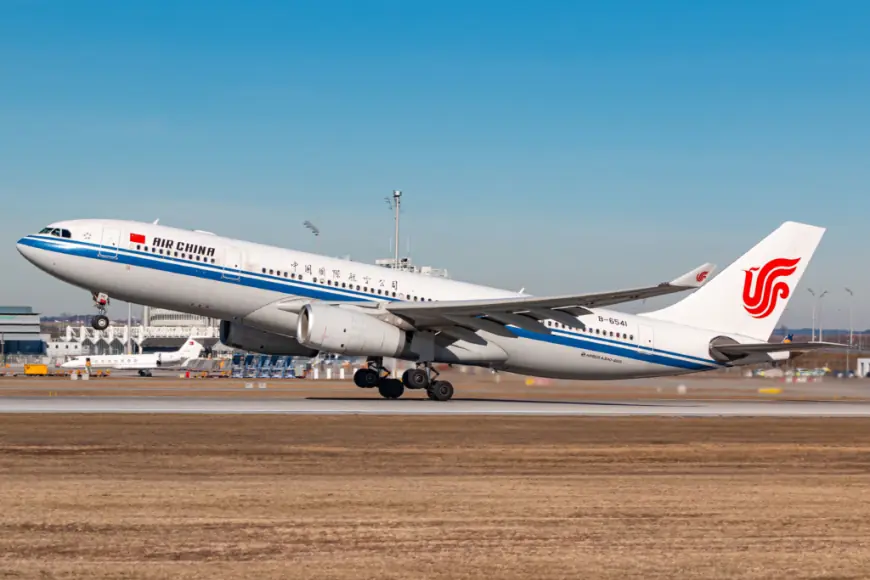

European carriers have announced a new round of long-haul schedule adjustments for 2026, with route launches, frequency shifts and network realignments reflecting broader demand trends and competitive responses across continents. These weekly updates highlight tactical changes as airlines optimise transcontinental services for market performance.
In Western Europe, Luxair is adding a new weekly service from Luxembourg to Abu Dhabi operated with a Boeing 737 MAX 8, complementing its existing twice-weekly Dubai World Central flights and entering a competitive corridor shortly after Etihad Airways increased its own Luxembourg–Abu Dhabi frequency from three to four weekly.
Irish carrier Aer Lingus is expanding its Dublin–Cancún route with a thrice-weekly Airbus A330-300 schedule for the winter period starting October 2026, targeting leisure demand from the North Atlantic market.
In Africa-bound operations, Neos has introduced a weekly Bari–Zanzibar flight for the summer 2026 schedule while discontinuing its Prague–Zanzibar service. Ethiopian Airlines continues to adjust its footprint with a reduction of Geneva–Addis Ababa frequencies from six to four weekly, even as it recently launched a new service from Lyon via Geneva.
Long-haul partnerships and Middle East links are also in flux. Saudia plans to operate a three-times-weekly London Heathrow–Dammam service with Boeing 787-9 equipment, reviving a direct connection that resumed in late 2025. Meanwhile, Qatar Airways is trimming Manchester–Doha frequencies from up to 25 weekly to 21, but deploying larger Boeing 777-300ER and Airbus A350 aircraft to increase capacity on remaining services.
In Asia-Europe connectivity, Air China is scaling up its Warsaw–Beijing service from four weekly flights to a daily schedule for Summer 2026, operating Airbus A330-300 aircraft and marking its highest frequency on the sector. This expansion forms part of a broader increase in flights to Warsaw and other European points such as Paris, Budapest and Istanbul — up roughly 6 percent compared with 2025.
Operationally, these schedule shifts reflect mixed traffic dynamics following robust leisure travel and uneven business demand on certain long-haul markets. Airlines are tuning frequencies and equipment to balance yield and capacity, while also responding to competitive pressures from Gulf and Asian carriers on transcontinental routes.
Network planners at European and partner airlines are closely monitoring performance data as they finalise Summer 2026 timetables, with route launches and frequency adjustments slated to evolve further in response to booking trends and geopolitical factors affecting overflight access on trans-Eurasian airways.