AirAsia X to Finalise Order for Up to 150 Jets in Early 2026
AirAsia X plans to finalise a major order for up to 150 aircraft in early 2026, signalling a decisive push in long‑haul low‑cost expansion.
 Jishan Khan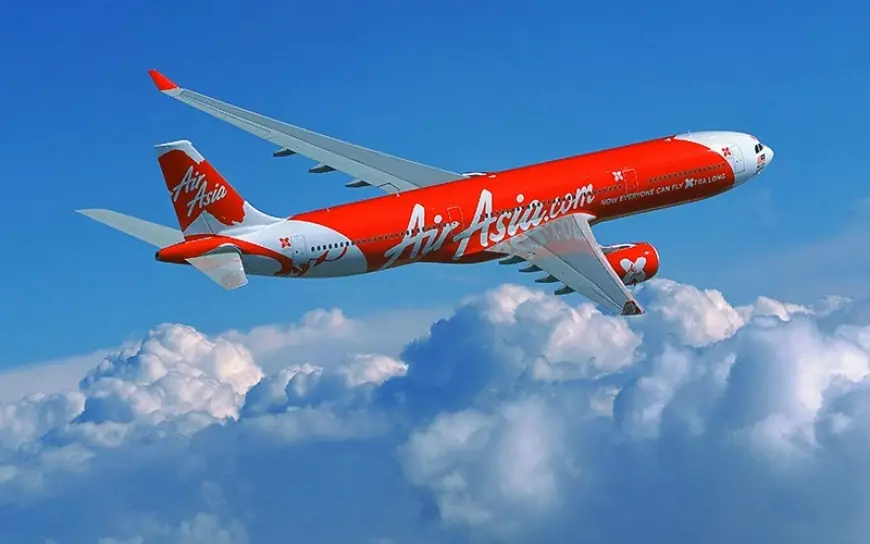

AirAsia X is preparing to finalise a major aircraft order for up to 150 jets in early 2026, a move that would represent one of the most significant long‑haul low‑cost fleet commitments in recent years and underline the airline’s renewed growth ambitions.
The planned order is expected to support AirAsia X’s next phase of expansion as it rebuilds and scales its network following a prolonged period of restructuring. The carrier, which operates long‑haul services under the broader AirAsia Group umbrella, has been repositioning itself to capture demand across high‑density medium‑ and long‑haul markets linking Southeast Asia with destinations in North Asia, Australia, the Middle East and beyond.
Finalising such a large aircraft commitment reflects confidence in sustained demand for low‑cost long‑haul travel, particularly on routes where price sensitivity remains high and widebody aircraft can deliver strong unit cost advantages when deployed at scale. A fleet of this size would allow AirAsia X to significantly increase capacity, improve scheduling flexibility and optimise aircraft utilisation across its core markets.
From a fleet strategy perspective, a bulk order provides leverage in securing favourable commercial terms, including pricing, delivery timelines and maintenance support. For airlines emerging from restructuring, locking in efficient next‑generation aircraft is often central to achieving competitive cost structures and restoring long‑term profitability.
The timing of the final decision in early 2026 aligns with broader industry trends, as airlines reassess long‑haul growth plans amid stabilising global travel demand and improving yield visibility. Widebody aircraft availability, production slots and financing conditions are all key factors shaping fleet decisions, particularly for carriers pursuing aggressive growth models.
AirAsia X’s long‑haul low‑cost model relies heavily on dense seating configurations, high utilisation rates and ancillary revenue streams to offset the inherent cost and operational complexity of extended‑range flying. Expanding the fleet at scale allows the airline to spread fixed costs more efficiently while supporting network breadth and frequency.
The potential order also has implications for the wider AirAsia Group, reinforcing its dual‑brand strategy that combines short‑haul high‑frequency operations with long‑haul point‑to‑point connectivity. Greater alignment between fleet planning and network development across the group can improve connectivity, feed traffic and overall system efficiency.
Industry observers note that while large aircraft orders carry execution risk, particularly in volatile market conditions, they also position airlines to capitalise quickly on demand upswings. For AirAsia X, the planned order signals a shift from recovery to growth, with a focus on reclaiming market share and strengthening its presence in the competitive long‑haul low‑cost segment.
If finalised as planned, the aircraft deal would mark a defining milestone in AirAsia X’s post‑restructuring strategy, shaping its fleet, network and competitive positioning well into the next decade.