Discovering Lewiston’s Somali Cuisine at Naima Restaurant
Naima Restaurant in Lewiston introduces diners to authentic Somali cuisine, offering traditional dishes, rich cultural flavors, and a welcoming community dining experience.
 Prajakta Sanjay Warwadkar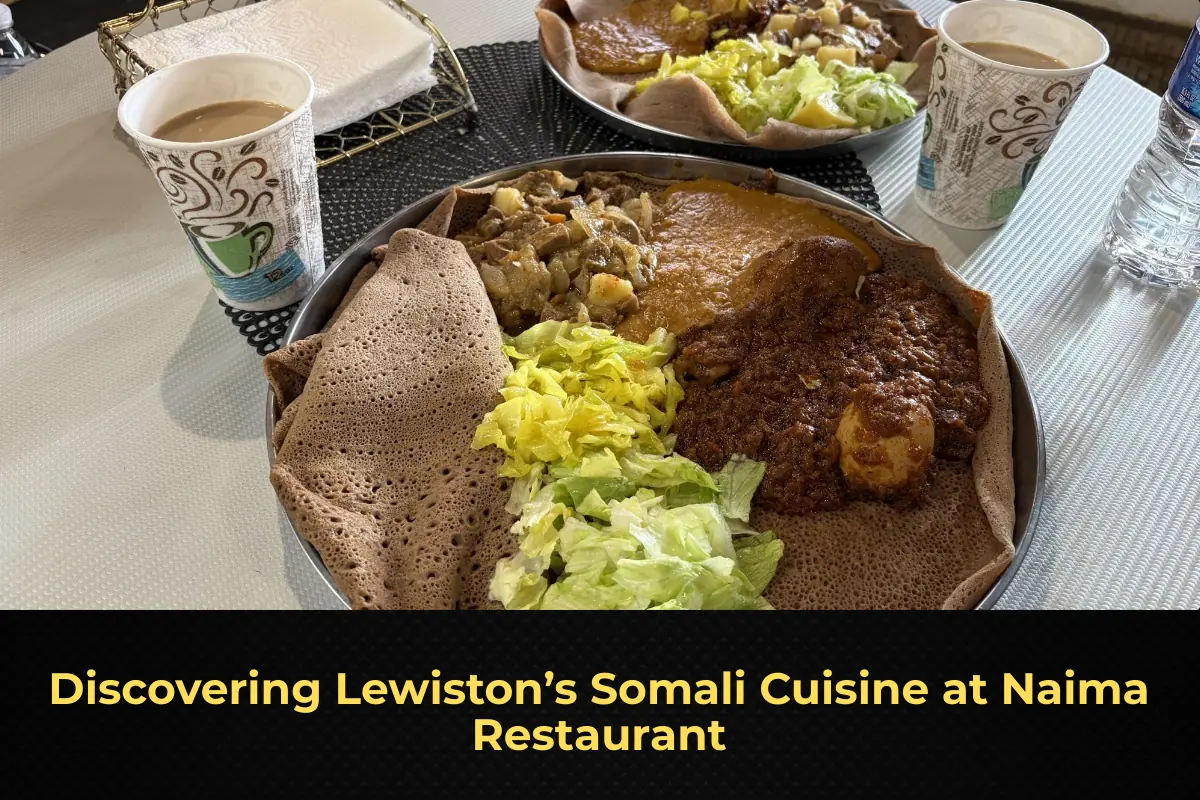

Discovering Lewiston’s Somali Cuisine at Naima Restaurant
Lewiston, Maine has quietly become home to one of the most vibrant Somali communities in the United States. Along with cultural traditions, music, and language, the community has also brought with it a rich culinary heritage that is increasingly attracting attention from locals and visitors alike. One of the places where this cultural exchange becomes especially visible is Naima Restaurant, a dining destination that introduces many people in the city to authentic Somali cuisine for the first time.
For diners unfamiliar with Somali food, stepping into Naima Restaurant is both a culinary and cultural experience. The restaurant offers traditional East African dishes known for their bold spices, generous portions, and comforting flavors. More than just a place to eat, Naima has become a gathering space where community, tradition, and hospitality come together.
Lewiston’s Growing Somali Food Scene
Over the past two decades, Lewiston has welcomed a large Somali population, and with it has come a growing number of businesses that reflect Somali culture. Restaurants are among the most visible expressions of this cultural presence. These establishments not only serve members of the community but also introduce Somali flavors to residents who may have never experienced the cuisine before.
Naima Restaurant stands out as one of the places where this cultural introduction happens naturally. Customers walk in curious and leave with a new appreciation for the flavors and traditions of Somali cooking.
Exploring Traditional Somali Flavors
Somali cuisine reflects centuries of cultural exchange influenced by Africa, the Middle East, and South Asia. The dishes often feature aromatic spice blends, slow‑cooked meats, and fragrant rice. Common ingredients include cumin, cardamom, cinnamon, coriander, and turmeric, which together create the distinctive flavor profiles found in many Somali meals. :contentReference[oaicite:0]{index=0}
Rice dishes are particularly central to Somali cuisine. One of the most popular is bariis, a spiced rice dish typically served with meat and vegetables. Meals are often accompanied by bananas, which may seem unusual to outsiders but are a traditional pairing in Somali households.
At Naima Restaurant, diners can experience many of these traditional combinations. Plates are generous and designed to be satisfying, often featuring rice, meat, vegetables, and fresh bread.
A Welcoming Dining Atmosphere
One of the most memorable aspects of dining at Naima is the atmosphere. Somali culture places great importance on hospitality and generosity, and that spirit is reflected in the restaurant’s service style. Guests are welcomed warmly, and meals are often served in portions that are meant to be shared.
This emphasis on community dining mirrors Somali cultural traditions where food plays a central role in bringing people together. Families, friends, and even strangers may share large platters, reinforcing the idea that meals are meant to be social experiences rather than solitary ones.
Food as a Cultural Bridge
Restaurants like Naima serve an important role beyond simply feeding customers. They act as cultural bridges between communities. For many Lewiston residents, visiting a Somali restaurant may be their first direct interaction with Somali culture.
Through food, diners learn about traditions, ingredients, and cooking methods that may be unfamiliar but quickly become appreciated. The experience often sparks curiosity about Somali history, culture, and community life.
For Somali immigrants and their families, restaurants also provide a sense of connection to home. Traditional dishes prepared with familiar spices and cooking techniques help preserve cultural identity while adapting to life in a new country.
The Importance of Community Restaurants
Local restaurants often play a significant role in shaping the identity of a city’s food scene. In Lewiston, Somali restaurants like Naima contribute to the city’s cultural diversity and culinary variety.
These establishments also support small business development within immigrant communities. By sharing traditional cuisine with a wider audience, they create opportunities for entrepreneurship while introducing residents to new dining experiences.
As more people discover Somali food, restaurants like Naima continue to grow in popularity. Curious diners who visit once often return to explore more dishes and bring friends along for the experience.
Expanding Culinary Curiosity
The increasing popularity of international cuisines across the United States has opened the door for restaurants representing diverse cultures to gain recognition. Somali cuisine, while still relatively unfamiliar to many Americans, is gradually gaining attention for its rich flavors and comforting dishes.
In cities like Lewiston, where Somali communities are strong, restaurants serve as ambassadors of this culinary tradition. They offer diners an opportunity to step outside their usual food choices and explore something new.
Naima Restaurant represents this spirit of discovery. Whether someone visits out of curiosity or cultural connection, the experience often leads to a deeper appreciation of Somali food and hospitality.
A Taste of Culture in Lewiston
Dining at Naima Restaurant is more than just trying a new dish. It is an opportunity to experience a different culinary tradition and understand how food connects people across cultures.
For Lewiston residents, the restaurant offers a chance to explore a part of their city’s cultural landscape. For members of the Somali community, it provides a place where familiar flavors and traditions continue to thrive.
As cities across the United States become increasingly diverse, restaurants like Naima highlight how food can bring communities together. Through shared meals and open curiosity, diners can discover new flavors while building stronger cultural connections.