Alitalia Liquidators Move to Part-Out Ex-Government A340-500
Liquidators are preparing to part-out a former government Airbus A340-500 formerly owned by bankrupt Alitalia, signalling asset liquidation as receivership concludes.
 Jishan Khan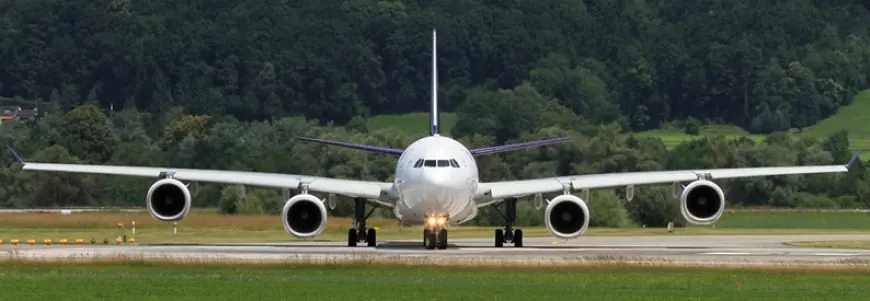

Liquidators overseeing the winding-up of Italy’s defunct Alitalia airline are preparing to part-out a former government-linked Airbus A340-500, marking another phase in the liquidation of assets from the once-flagship carrier.
The four-engine Airbus A340-500 in question has been dormant since Alitalia ceased operations and entered bankruptcy proceedings in 2021. Once utilised as a government transport jet under an Italian state arrangement, the aircraft has remained in storage for several years, awaiting a definitive end-of-service outcome. :contentReference[oaicite:1]{index=1}
Asset realisation through part-out is a common outcome in airline liquidations where aircraft no longer hold viable re-entry value in commercial service. In a part-out process, sellable components such as engines, avionics, landing gear, auxiliary power units and other serviceable parts are removed for resale to operators and maintenance providers, generating returns for creditors.
The decision to dismantle the Airbus A340-500 aligns with broader trends in commercial air transport where older, four-engined widebodies are increasingly uneconomic to operate on scheduled services. The A340-500 variant, with relatively high fuel and maintenance costs compared to modern twin-engine long-haul aircraft, has largely fallen out of favour among passenger carriers and is seldom seen in active commercial fleets today.
For aircraft lessors and aftermarket operators, harvested components from part-outs can bolster inventories that support a wide range of in-service types. Engine modules, flight control systems, and other assemblies from an A340-500 may be of particular interest where compatible widebody spares are sought. These parts can support airlines and MRO providers extending the service life of similar frames or be supplied to logistics and training markets where such hardware has reuse potential.
The liquidation of Alitalia’s remaining large assets, including this A340-500, reflects the closing chapter of a long and tumultuous history for Italy’s erstwhile national carrier. Alitalia’s bankruptcy led to the creation of a successor carrier, ITA Airways, which absorbed some staff and routes but did not take on all historic aircraft. As those assets transfer to receivership control, actions such as the impending part-out represent final attempts to maximise creditor recoveries under the oversight of administrators.
The part-out process typically follows aviation-industry best practices, including hazardous material removal, certification of reusable components, and logistics planning for transporting removed parts to buyers or stockists. Disassembly also involves compliance with environmental and aviation disposal regulations, ensuring that hazardous liquids, composites and other materials are handled appropriately before final scrapping.
With the aircraft set to be dismantled, stakeholders such as spare-parts brokers, independent MRO firms and widebody operators will assess available components for purchase. The broader aviation market’s appetite for legacy A340-500 parts indicates continued residual value in certain systems, even as airframe values themselves have largely eroded due to age and obsolescence.
This part-out initiative underscores how liquidation processes in the aviation sector reconcile the operational end of historic aircraft with the economic realities of spare-parts demand, providing a final lifecycle outcome for an airframe that once served both governmental and commercial roles under the Alitalia banner.