Food and Drink Trends for 2026: Emerging Ingredients and Culinary Innovations Shaping Global Dining
Explore the top food and drink trends for 2026, including emerging ingredients, evolving dining preferences, and expert insights shaping the future of the global culinary industry.
 Prajakta Sanjay Warwadkar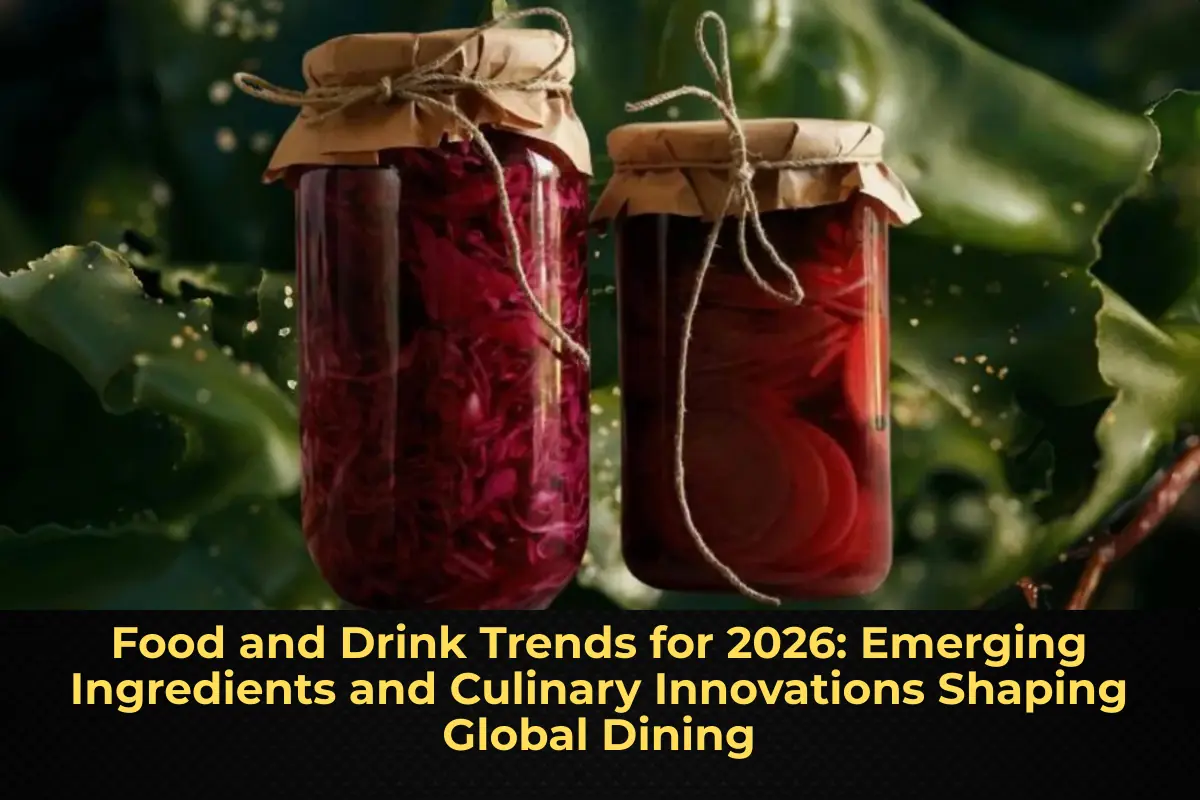

The global culinary landscape is constantly evolving, influenced by changing consumer preferences, sustainability concerns, technological advancements, and cultural exchange. As the hospitality industry moves further into 2026, chefs, restaurateurs, and food innovators are embracing new ingredients and creative techniques that redefine the dining experience.
From plant-forward menus and fermented flavors to locally sourced ingredients and inventive beverage programs, the food and drink trends emerging this year reflect a deeper focus on sustainability, wellness, and global culinary inspiration.
The Rise of Ingredient-Driven Dining
One of the most noticeable trends shaping restaurants in 2026 is the growing emphasis on ingredient-driven cooking. Chefs are increasingly highlighting the natural flavors and quality of individual ingredients rather than relying solely on complex preparation methods.
This approach encourages restaurants to focus on seasonal produce, sustainable seafood, artisanal dairy products, and responsibly sourced meats. By celebrating ingredients in their purest forms, chefs create dishes that are both flavorful and environmentally conscious.
Ingredient-driven menus also allow diners to develop a deeper appreciation for the origins and stories behind the food they enjoy.
Plant-Forward and Sustainable Cuisine
Plant-forward dining continues to gain momentum in 2026 as consumers become more mindful of health and environmental sustainability. While plant-based diets are not entirely new, chefs are now exploring more creative ways to incorporate vegetables, grains, legumes, and alternative proteins into mainstream menus.
Restaurants are experimenting with innovative cooking techniques that elevate plant-based ingredients into sophisticated dishes. Roasted vegetables, fermented grains, and plant-based sauces are appearing more frequently in both casual dining venues and fine dining establishments.
This trend reflects a broader shift toward sustainable food systems and responsible consumption.
Fermentation and Complex Flavors
Fermentation has emerged as one of the most influential culinary techniques in modern gastronomy. In 2026, chefs are expanding their use of fermented ingredients to create deeper, more complex flavor profiles.
Fermented sauces, pickled vegetables, cultured dairy products, and aged condiments are being used to add layers of taste to dishes. These ingredients provide a balance of acidity, umami, and richness that enhances both traditional and contemporary recipes.
Fermentation also aligns with sustainability trends because it helps extend the shelf life of ingredients while reducing food waste.
Hyper-Local Sourcing
Another defining trend in the restaurant industry is the move toward hyper-local sourcing. Many chefs are working directly with nearby farmers, fishermen, and artisanal producers to obtain fresh ingredients that reflect the unique character of their regions.
Hyper-local sourcing supports local economies and ensures that dishes feature ingredients harvested at their peak freshness. This approach also reduces the environmental impact associated with long-distance transportation.
Restaurants are increasingly highlighting these local partnerships on their menus, giving diners insight into where their food comes from.
Global Culinary Inspiration
While local sourcing remains important, global culinary inspiration continues to shape the food and beverage industry. Chefs are drawing from diverse culinary traditions to create fusion dishes that combine flavors from different cultures.
Asian spices, Middle Eastern herbs, Mediterranean olive oils, and Latin American cooking techniques are influencing menus across international restaurant scenes. This cross-cultural experimentation encourages chefs to push creative boundaries while introducing diners to new taste experiences.
Global travel and digital connectivity have made it easier for chefs to learn from international cuisines and incorporate them into their culinary repertoires.
Elevated Beverage Programs
In addition to food innovations, beverage programs are also evolving rapidly. Restaurants and bars are placing greater emphasis on craft beverages, unique flavor combinations, and artistic presentation.
Mixologists are experimenting with botanical infusions, house-made syrups, fermented beverages, and seasonal ingredients to craft distinctive cocktails. Non-alcoholic beverages are also receiving more attention as consumers seek creative alternatives that offer complex flavors without alcohol.
Cold brew teas, herbal tonics, and fruit-based sparkling drinks are becoming increasingly popular options on modern drink menus.
Wellness-Focused Dining
Health-conscious dining continues to influence restaurant menus worldwide. Many diners are seeking meals that are both nutritious and satisfying, leading chefs to focus on balanced dishes rich in whole ingredients.
Superfoods, nutrient-dense grains, and functional ingredients are being incorporated into a variety of recipes. Restaurants are also offering gluten-free, dairy-free, and allergen-conscious options to accommodate diverse dietary preferences.
Transparency in ingredient sourcing and nutritional value has become an important factor for diners when choosing where to eat.
Functional Ingredients on the Rise
Functional ingredients—foods believed to provide additional health benefits beyond basic nutrition—are gaining popularity in both food and beverages. Ingredients such as adaptogenic herbs, probiotic-rich fermented foods, and antioxidant-packed fruits are appearing in menus across restaurants and cafes.
These ingredients appeal to consumers who want their dining choices to support overall wellness and vitality.
Technology Influencing Culinary Innovation
Technology continues to play a growing role in the hospitality industry. Modern kitchen equipment, precision cooking tools, and data-driven menu planning are helping chefs refine their techniques and improve efficiency.
Digital platforms also allow restaurants to connect with customers through online ordering, reservations, and social media engagement. These technologies help businesses adapt quickly to evolving consumer expectations.
In some innovative dining spaces, immersive technologies such as projection mapping and interactive dining experiences are being integrated into restaurant environments.
The Importance of Storytelling in Food
In 2026, storytelling has become an essential component of the dining experience. Diners are increasingly interested in learning about the origins of ingredients, the inspiration behind dishes, and the cultural significance of recipes.
Chefs are responding by sharing narratives through their menus, plating styles, and direct interactions with guests. This storytelling approach transforms meals into memorable experiences that connect people with culinary traditions and creative expression.
Restaurants that successfully communicate their culinary stories often build stronger emotional connections with diners.
Collaboration Within the Culinary Community
Collaboration between chefs, farmers, beverage specialists, and food artisans is also shaping the culinary trends of 2026. Pop-up dining events, chef collaborations, and culinary festivals provide opportunities for professionals to exchange ideas and showcase innovative creations.
These collaborations often introduce diners to experimental dishes and limited-time menus that celebrate creativity and community within the hospitality industry.
Such partnerships also help chefs expand their culinary perspectives while strengthening professional networks.
Looking Ahead: The Future of Food and Drink
The food and drink trends emerging in 2026 highlight the hospitality industry’s commitment to innovation, sustainability, and cultural exploration. Chefs and restaurateurs are continuously adapting to consumer preferences while maintaining a strong respect for culinary tradition.
Future dining experiences are likely to emphasize responsible sourcing, ingredient transparency, and immersive hospitality concepts. As diners seek authenticity and creativity, restaurants will continue experimenting with new ingredients, techniques, and presentation styles.
These evolving trends not only influence restaurant menus but also shape the broader global conversation about food culture and sustainability.
Conclusion
The year 2026 is proving to be an exciting time for the culinary world. Emerging ingredients, plant-forward cooking, fermentation techniques, and innovative beverage programs are redefining how people experience food and drink.
As chefs explore new possibilities and diners embrace diverse flavors, the hospitality industry will continue evolving with creativity and purpose. The trends shaping today’s kitchens are likely to influence global dining for years to come.
For food enthusiasts and hospitality professionals alike, these developments represent an inspiring glimpse into the future of gastronomy.