Bamboo Airways Plans to Add 30 Aircraft by 2030
Vietnam’s Bamboo Airways plans to add up to 30 aircraft by 2030 as it restructures operations and prepares for measured fleet and network growth.
 Jishan Khan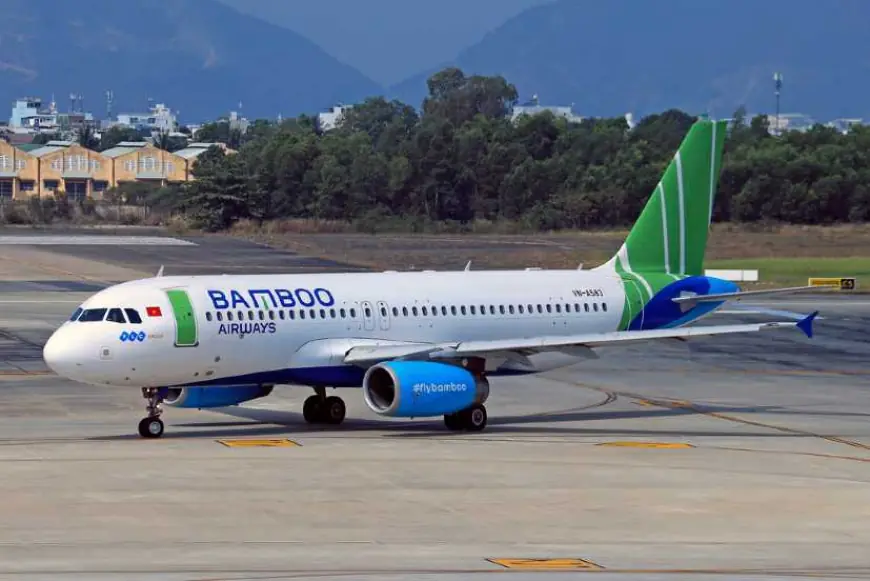

Vietnamese carrier Bamboo Airways is planning to expand its fleet by up to 30 aircraft by 2030, signalling a renewed focus on long-term growth following a period of restructuring and operational consolidation.
The planned fleet expansion reflects Bamboo Airways’ intention to stabilise its business model while gradually rebuilding capacity across domestic and international markets. The airline has undergone significant changes in recent years as it adjusted to financial pressures, shifts in travel demand and broader challenges affecting the Southeast Asian aviation sector.
Adding up to 30 aircraft over the remainder of the decade suggests a cautious but forward-looking approach, prioritising sustainable growth rather than rapid capacity increases. This strategy aligns with a wider industry trend in which airlines are balancing fleet modernisation with cost control, particularly as fuel prices, financing costs and competitive pressures remain key considerations.
Bamboo Airways has historically operated a mixed fleet, including narrowbody and widebody aircraft, allowing flexibility across short-haul regional routes and longer international services. While specific aircraft types and delivery timelines have not been publicly detailed, the scale of the planned expansion indicates a focus on right-sizing the fleet to match demand recovery and future network ambitions.
Vietnam’s aviation market continues to be one of the fastest-growing in Asia, supported by rising middle-class travel demand, strong tourism flows and expanding international connectivity. For Bamboo Airways, fleet growth is expected to support increased frequencies on core domestic routes while reopening or expanding selected international services as market conditions allow.
The airline’s leadership has emphasised restructuring and efficiency as foundational steps before pursuing expansion. By aligning fleet growth with operational performance and financial discipline, Bamboo Airways aims to strengthen its competitive position against larger domestic rivals and well-established regional carriers.
From an operational standpoint, fleet expansion will also require investments in pilot training, maintenance capabilities and ground infrastructure. Airlines introducing additional aircraft must ensure sufficient crew availability and technical support, particularly in a region where competition for skilled aviation personnel remains intense.
Industry analysts note that gradual fleet growth allows carriers to respond more effectively to market volatility. Rather than committing to large aircraft orders upfront, incremental expansion provides flexibility to adjust capacity based on demand trends, regulatory developments and economic conditions.
The planned addition of 30 aircraft by 2030 also aligns with broader efforts by Vietnamese carriers to modernise fleets and improve fuel efficiency. Newer-generation aircraft typically offer lower operating costs and reduced emissions, supporting both profitability and sustainability objectives.
As Bamboo Airways works toward its 2030 goals, the success of its fleet expansion will depend on execution, access to financing and the pace of travel demand recovery. If managed effectively, the planned growth could position the airline for a stronger and more resilient role within Vietnam’s rapidly evolving aviation landscape.
The announcement underscores Bamboo Airways’ intention to remain a long-term player in the regional aviation market, using disciplined fleet expansion as a cornerstone of its recovery and future development strategy.