Bamboo Airways Expands Fleet to Boost Vietnam Tourism
Bamboo Airways is expanding its fleet to support Vietnam’s tourism growth, improving connectivity, capacity, and travel options for passengers.
 Jishan Khan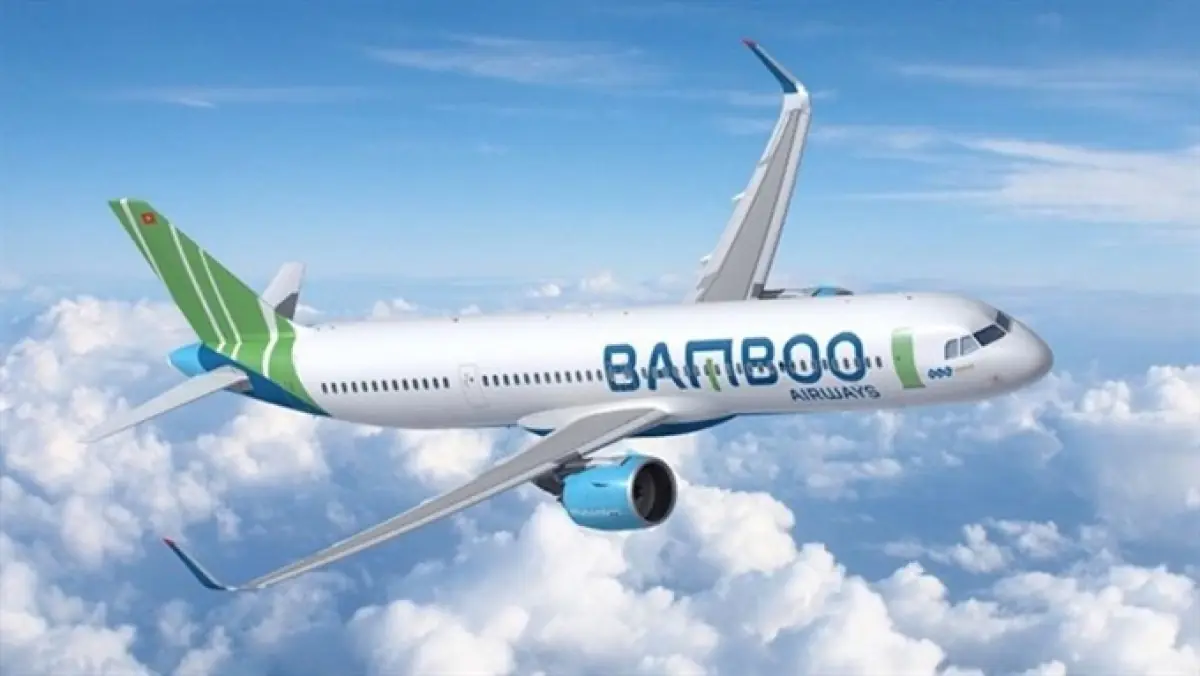

Vietnam’s aviation and tourism sectors are set to receive a significant boost as Bamboo Airways moves forward with plans to expand and modernise its fleet, reinforcing the airline’s role in supporting the country’s growing travel demand. The development comes at a time when Vietnam is positioning itself as one of Asia’s fastest-recovering and most competitive tourism markets.
Bamboo Airways’ fleet expansion strategy is aimed at increasing capacity across both domestic and international networks, allowing the carrier to serve a wider range of destinations while improving frequency on high-demand routes. By inducting newer, more efficient aircraft, the airline is focusing on operational reliability, cost efficiency, and passenger comfort, all of which are critical factors in sustaining long-term growth.
The move is closely tied to Vietnam’s broader tourism ambitions. As international visitor numbers continue to rise, airlines are under pressure to provide seamless connectivity between major gateways and emerging tourist destinations. Bamboo Airways’ expanded fleet is expected to play a key role in linking secondary cities with major hubs, helping to distribute tourism traffic more evenly across the country.
From a passenger perspective, the fleet upgrade is expected to translate into improved travel experiences. New-generation aircraft typically offer better fuel efficiency, quieter cabins, and enhanced onboard amenities, contributing to a more comfortable journey. Increased capacity also helps stabilise fares during peak travel seasons, making Vietnam a more affordable and accessible destination for both regional and long-haul travellers.
The expansion also strengthens Bamboo Airways’ competitive position within Vietnam’s dynamic aviation market. As airlines compete for market share amid strong demand recovery, fleet flexibility allows carriers to respond quickly to changes in travel patterns, seasonal demand, and new route opportunities. For Bamboo Airways, this flexibility is essential to maintaining relevance in a market dominated by both low-cost and full-service competitors.
Industry analysts note that fleet growth must be supported by parallel investments in crew training, maintenance, and operational systems. Bamboo Airways has indicated that its expansion strategy includes a focus on safety, regulatory compliance, and workforce development, ensuring that growth does not come at the expense of operational standards.
Beyond aviation, the broader economic implications are significant. Increased airline capacity supports tourism-related employment, boosts hotel occupancy, and enhances the viability of tourism-dependent regions. Aviation remains a cornerstone of Vietnam’s connectivity-driven growth model, particularly given the country’s elongated geography and reliance on air travel for domestic mobility.
The fleet expansion also aligns with sustainability considerations. Modern aircraft consume less fuel per seat and generate lower emissions, allowing airlines to grow responsibly while managing environmental impact. This is increasingly important as governments and consumers place greater emphasis on sustainable travel practices.
As Vietnam continues to attract international attention as a diverse and affordable travel destination, Bamboo Airways’ fleet strategy underscores the airline’s commitment to supporting national tourism goals. By expanding capacity, improving connectivity, and enhancing passenger experience, the carrier is positioning itself as a key enabler of Vietnam’s next phase of tourism-led growth.